

 Preview
 Send
Send Share
Share
 Details

 Download
 Similars
 X-Ray
X-Ray Diaporama
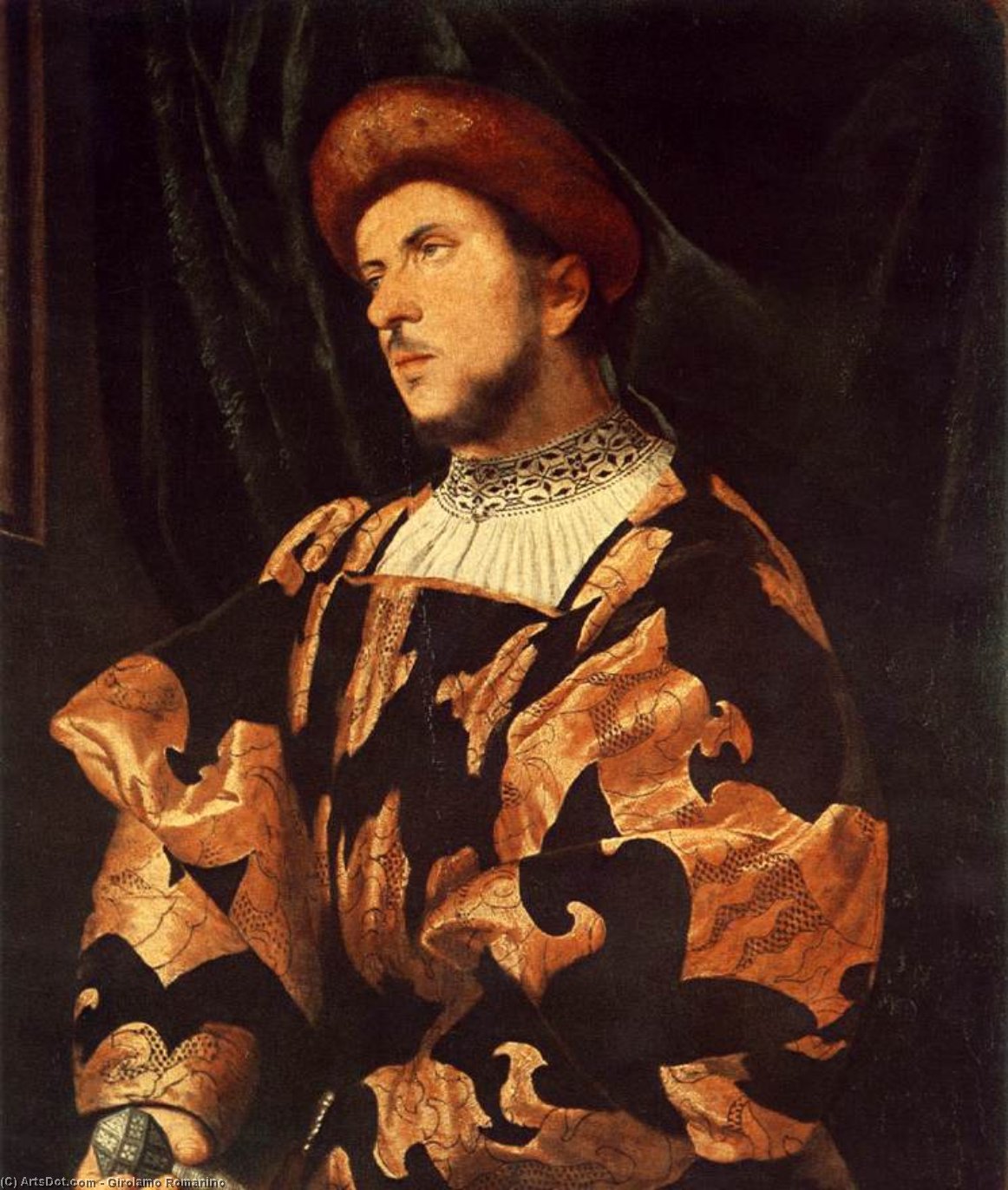
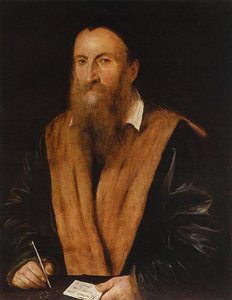
Portrait of a Man
 Oil On Canvas
- WallArt
- High Renaissance
 1520
1520- Renaissance
 83.0 x 72.0 cm
 Szépmûvészeti Múzeum
 Read More
Purchase a high-resolution, enhanced digital image, far superior to the online preview.
Each file is meticulously prepared by our in-house specialists using advanced tools and expert manual retouching. We ensure every image has exceptional clarity, precise color accuracy, and fine detail.
The final file is delivered via email within 72 hours, optimized for immediate use in professional, editorial, and print environments. This is the same quality trusted by top-tier design studios, publishers, and galleries.
Digital Image
Download a high-resolution file for personal display, printing, and creative projects. ( Buy Print Buy Hand Made Painting)
Included in Every Digital Image Order
Expert Digital Delivery, Guaranteed
When you choose ArtsDot.com, you're not just getting an image - you're receiving a professionally enhanced digital artwork, crafted with precision and backed by a satisfaction guarantee. Here's everything that comes with your order, automatically:

Fast Email Delivery
Your high-resolution digital image file will be emailed to you within 72 hours of ordering - ready for immediate use.

AI-Enhanced Digital File
Your artwork is professionally optimized using advanced AI tools and manual editing, ensuring maximum detail, clarity, and color accuracy.

Free Lifetime Re-Delivery
Accidentally deleted or lost your file? No worries - we'll resend it to you anytime, free of charge.

No Import Fees - Ever
Enjoy your artwork instantly with zero customs, duties, or delivery fees - digital downloads are always tax-free.

Color Accuracy Guarantee
We ensure your digital image reflects the original colors as closely as possible using professional tools and color management.

60-Day Satisfaction Guarantee
If you're not satisfied with your digital image, we'll revise it or refund 100% within 60 days - no questions asked.

100% Money-Back Guarantee
Not satisfied? Get a full refund within 60 days of receiving your digital file - no questions asked.

Bulk Order Discounts
Buy 3 images, save 10% - Buy 5, save 15% - Buy 10+, save 20%. Great for creative projects, galleries, and agencies.
The Gaze of Nobility: An Encounter with Portrait of a Man
To stand before this magnificent portrait is to step directly into the opulent, richly colored world of the early sixteenth century. The subject, depicted in an attire that speaks volumes of status and temporal grandeur, commands immediate attention. He gazes out from the canvas with an arresting seriousness, his expression suggesting a life lived under the weight of expectation—the kind borne by nobility or high-ranking figures of the era. The meticulous detail captured in his costume, particularly the vibrant red hat and the gleaming gold chain adorning his neck, does not merely decorate; it narrates a story of wealth, power, and established lineage.
Mastery in Pigment and Form: Technique and Craftsmanship
The technical brilliance evident in this work by girolamo romanino is breathtaking. One can almost feel the texture beneath the paint. The artist has employed a palette of rich, saturated hues that lend an incredible depth to the scene. Observe how the light seems to catch on the folds of his garments and the sheen of the gold; it speaks to a masterful handling of oil or tempera mediums characteristic of the period. Romanino’s ability to render both the stiffness of ceremonial costume and the subtle softness of human flesh is a testament to his profound skill. The painting is not just a likeness; it is an exercise in visual luxury, where every thread and highlight has been considered with painstaking care.
Echoes of Renaissance Splendor: Historical Context
Dating from 1520, this portrait emerges from a period of intense cultural flowering across Italy—the High Renaissance. This was an age obsessed with rediscovering classical ideals, where portraiture served not only to capture a face but to solidify a person's place within the established social order. The subject’s elaborate costume anchors him firmly in this historical moment, suggesting connections to courtly life or perhaps even aristocratic patronage. Owning a reproduction of this piece allows one to bring the sophisticated atmosphere and palpable history of Renaissance Italian courts into a modern setting.
Symbolism and Enduring Presence
Beyond the visible trappings of wealth, the portrait carries an emotional weight. The subject’s direct, unwavering gaze acts as a powerful conduit between the centuries, engaging the contemporary viewer in a silent dialogue. Symbolically, the richness of the colors and materials speaks to permanence—the desire of the sitter, and by extension the patron, to have their status immortalized. For collectors and designers alike, this piece offers more than mere decoration; it is an artifact imbued with the enduring symbolism of human dignity and cultivated power.
Bringing Artistry Home: Considerations for Reproduction
For those considering bringing this captivating vision into your home or studio, understanding the depth of its original execution is key. A high-quality reproduction allows you to appreciate Romanino’s vibrant color theory and intricate detailing without the constraints of museum display. It serves as a focal point that elevates any interior space, whether it be a formal drawing-room demanding historical gravitas or a gallery setting celebrating artistic mastery. It is an investment in narrative art, promising both aesthetic splendor and intellectual depth.
Related Artworks


Artist Biography
Giovanni da Udine: A Pioneer of Stucco and Neoclassical Grace
Giovanni da Udine, born in Udine in 1487 and passing away in Rome in 1561 or 1564, stands as a pivotal figure in the artistic landscape of the High Renaissance. More than simply a painter, he was a master craftsman who profoundly influenced the revival of classical techniques, particularly in the realm of stucco decoration and architectural ornamentation. His legacy is inextricably linked to the burgeoning interest in antiquity that swept across Europe during this period, fueled by archaeological discoveries and a renewed desire to emulate the grandeur of ancient Rome.
Udine’s early life remains somewhat shrouded in mystery, though he was undoubtedly trained within the artistic circles of his native city. He began his career as an assistant to Andrea Sabbatini, a prominent Neapolitan painter, gaining invaluable experience in the techniques of fresco and tempera. This formative period laid the groundwork for his later success, particularly when he entered the service of Raphael in Rome around 1508. It was during this time that Udine’s distinctive style began to emerge – a delicate balance between naturalism and stylized elegance, informed by a deep understanding of classical proportions and a masterful command of light and shadow.
The Vatican Loggie: A Showcase of Innovation
Udine's most enduring contribution lies in his work on the Vatican Loggie, a series of vaulted spaces decorated with intricate stucco panels between 1517 and 1519. These magnificent decorations represent a watershed moment in European art history. He spearheaded the revival of antique techniques – specifically, the creation of *grotesques* – complex, fantastical designs inspired by Roman ruins and mosaics. These weren’t merely decorative flourishes; they were meticulously researched imitations, demonstrating a remarkable dedication to accuracy and a profound appreciation for the past.
The Loggie panels are characterized by their lightness, grace, and an almost ethereal quality. Udine employed a subtle palette of colors – primarily creams, ochres, and pale blues – to create a sense of depth and atmosphere. His figures, though stylized, possess a remarkable degree of naturalism, conveying emotion and movement with exquisite detail. The influence of this work spread rapidly throughout Europe, shaping the aesthetic sensibilities of Neoclassical designers and influencing generations of artists.
A Return to Udine and Continued Influence
Following his time in Rome, Udine returned to his hometown of Udine in 1522, where he spent the majority of his career. However, he continued to travel extensively, undertaking commissions in Florence and Venice, further solidifying his reputation as a versatile and highly sought-after artist. Despite these travels, Udine remained deeply rooted in his native region, contributing significantly to the artistic development of Friuli.
Udine’s work demonstrates a remarkable adaptability, seamlessly blending classical influences with regional traditions. He was not simply replicating ancient forms; he was interpreting them through his own unique vision, imbuing them with a distinctly Italian sensibility. His legacy extends beyond individual works to encompass the broader revival of classical aesthetics and the establishment of stucco decoration as a vital element of Renaissance architecture.
Historical Significance and Lasting Legacy
Giovanni da Udine’s impact on European art is undeniable. He played a crucial role in shaping the visual language of the Neoclassical period, providing a foundation for subsequent generations of artists and architects. His meticulous attention to detail, his mastery of technique, and his profound understanding of classical antiquity ensured that he would be remembered as one of the most important figures in Renaissance art. His work on the Vatican Loggie remains a testament to his genius – a breathtaking display of skill, innovation, and a deep reverence for the glories of the past. His influence can still be seen today in countless buildings and decorative arts across Europe, a lasting reminder of the artist who brought the spirit of antiquity back to life.
girolamo romanino
1487 - 1566 , Italy
Quick Facts
- Artistic Movement Or Style: Neoclassicism, Stucco
- Artists Or Movements Influenced By This Artist: ['European Neoclassical designers']
- Artists Who Influenced This Artist: ['Raphael']
- Date Of Birth: Oct 27, 1487
- Date Of Death: 1561/64
- Full Name: Giovanni da Udine
- Nationality: Italian
- Notable Artworks: ['Vatican Loggie']
- Place Of Birth: Udine, Italy

