

 Preview
 Send
Send Share
Share
 Details

 Download
 Similars
 X-Ray
X-Ray Diaporama
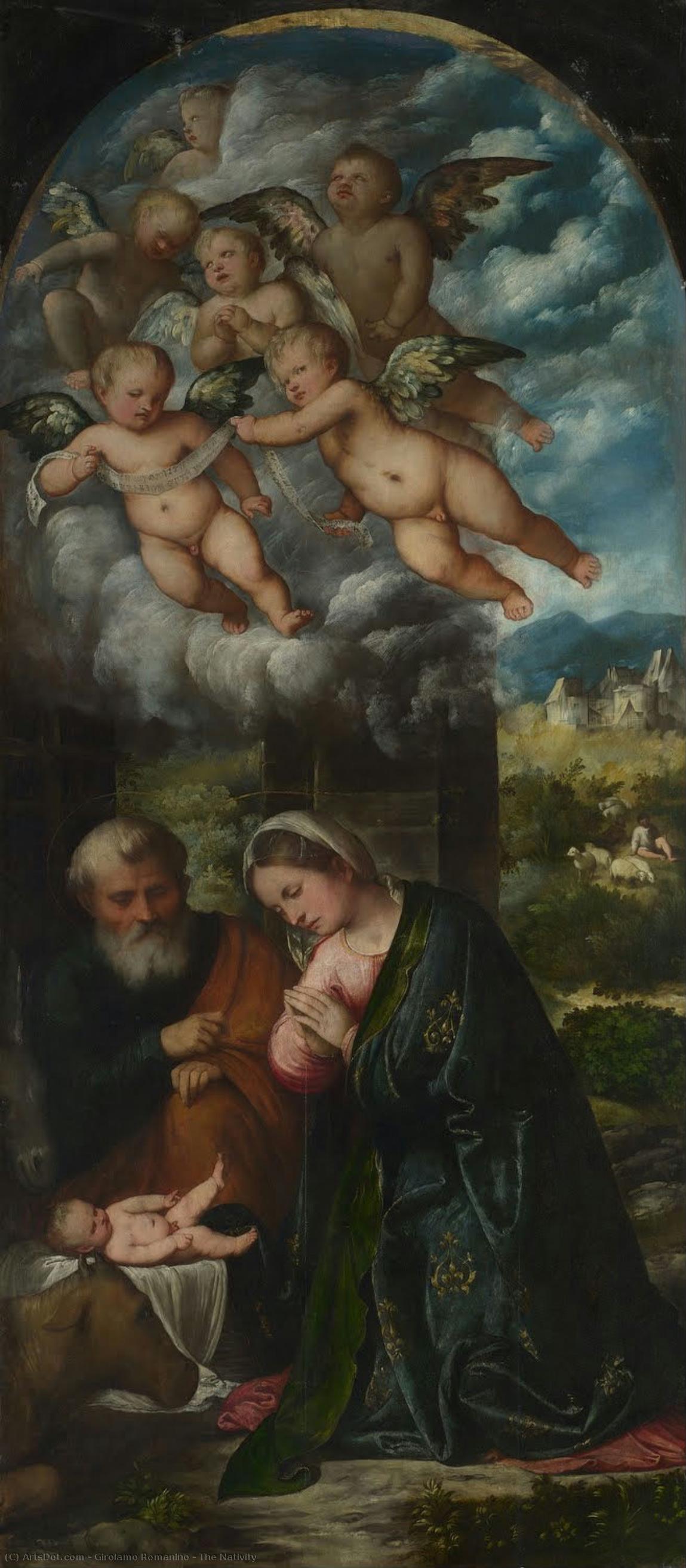
The Nativity
 Oil On Canvas
- WallArt
- Renaissance
 1524
1524 265.0 x 117.0 cm
 National Gallery
 Read More
Purchase a high-resolution, enhanced digital image, far superior to the online preview.
Each file is meticulously prepared by our in-house specialists using advanced tools and expert manual retouching. We ensure every image has exceptional clarity, precise color accuracy, and fine detail.
The final file is delivered via email within 72 hours, optimized for immediate use in professional, editorial, and print environments. This is the same quality trusted by top-tier design studios, publishers, and galleries.
Digital Image
Download a high-resolution file for personal display, printing, and creative projects. ( Buy Print Buy Hand Made Painting)
Included in Every Digital Image Order
Expert Digital Delivery, Guaranteed
When you choose ArtsDot.com, you're not just getting an image - you're receiving a professionally enhanced digital artwork, crafted with precision and backed by a satisfaction guarantee. Here's everything that comes with your order, automatically:

Fast Email Delivery
Your high-resolution digital image file will be emailed to you within 72 hours of ordering - ready for immediate use.

AI-Enhanced Digital File
Your artwork is professionally optimized using advanced AI tools and manual editing, ensuring maximum detail, clarity, and color accuracy.

Free Lifetime Re-Delivery
Accidentally deleted or lost your file? No worries - we'll resend it to you anytime, free of charge.

No Import Fees - Ever
Enjoy your artwork instantly with zero customs, duties, or delivery fees - digital downloads are always tax-free.

Color Accuracy Guarantee
We ensure your digital image reflects the original colors as closely as possible using professional tools and color management.

60-Day Satisfaction Guarantee
If you're not satisfied with your digital image, we'll revise it or refund 100% within 60 days - no questions asked.

100% Money-Back Guarantee
Not satisfied? Get a full refund within 60 days of receiving your digital file - no questions asked.

Bulk Order Discounts
Buy 3 images, save 10% - Buy 5, save 15% - Buy 10+, save 20%. Great for creative projects, galleries, and agencies.
Collectible Description
A Window into Venetian Faith: Girolamo Romanino’s “The Nativity”
Girolamo Romanino's "The Nativity," painted in 1524, isn’t merely a depiction of the biblical birth of Christ; it’s a vibrant window into the heart of Renaissance Venice – a city pulsating with artistic innovation and deeply rooted religious devotion. Housed within the high altarpiece of the church of San Alessandro in Brescia, Italy, this panel transcends simple narrative, offering a complex tapestry of faith, human emotion, and masterful technique. It's a work that speaks to both the grandeur of the era and the intimate details of everyday life within a devout community.
The scene unfolds with arresting immediacy: Joseph and Mary, rendered in richly textured fabrics and subtly modeled forms, kneel in humble adoration before the infant Jesus. The composition is carefully hierarchical, drawing the viewer’s eye first to the central figures – a deliberate choice that underscores their importance within the narrative. Above them, a chorus of angels ascends towards heaven, creating a dynamic upward movement that contrasts sharply with the grounded stability of the earthly scene. Romanino skillfully employs perspective, though somewhat flattened compared to later Renaissance masters, to create depth and draw the eye into the composition.
The Venetian Masterstroke: Technique and Style
Romanino’s style is a fascinating blend of influences – a testament to his time spent in both Brescia and Venice. The painting showcases a distinctly Venetian character, evident in the rich, saturated colors—deep reds, blues, and golds—and the expressive handling of light. These hues are characteristic of Venetian painting during this period, where artists often prioritized visual impact and emotional resonance over strict adherence to classical ideals. The use of impasto – thick application of paint – adds a tactile quality to the work, particularly in the draperies and the sky, creating a sense of texture and movement.
Technically, Romanino demonstrates a remarkable command of oil painting. The smooth blending of colors, the meticulous detail in the figures’ clothing, and the subtle gradations of light and shadow all point to a highly skilled artist. The influence of Giorgione and Titian is palpable; Romanino adopts their emphasis on atmospheric perspective and their ability to capture fleeting moments of emotion. However, he infuses this Venetian sensibility with a Lombardic solidity—a grounding in traditional modeling techniques that lends the figures a sense of weight and presence.
Symbolism and Spiritual Resonance
Beyond its aesthetic qualities, “The Nativity” is laden with symbolic meaning. The stable, depicted with rustic simplicity, represents humility and the incarnation of God in human form. The angels, flanking the central scene, symbolize divine intervention and the promise of salvation. The presence of Saint Alessandro and Saint Jerome on either side of the main narrative underscores the importance of these local saints within the community’s faith. Even the small town in the background—a detail often overlooked—provides context, grounding the miraculous event within a recognizable earthly setting.
The inclusion of the shepherds, depicted with their flocks, adds another layer of symbolism – representing the humble beginnings of Christ's ministry and highlighting the universality of his message. The scroll held by the angels hints at the Annunciation, further emphasizing the pivotal nature of this event. Ultimately, Romanino’s “The Nativity” is a powerful meditation on faith, hope, and the enduring mystery of the birth of Christ – a work that continues to resonate with viewers centuries after its creation.
Related Artworks

Artist Biography
Giovanni da Udine: A Pioneer of Stucco and Neoclassical Grace
Giovanni da Udine, born in Udine in 1487 and passing away in Rome in 1561 or 1564, stands as a pivotal figure in the artistic landscape of the High Renaissance. More than simply a painter, he was a master craftsman who profoundly influenced the revival of classical techniques, particularly in the realm of stucco decoration and architectural ornamentation. His legacy is inextricably linked to the burgeoning interest in antiquity that swept across Europe during this period, fueled by archaeological discoveries and a renewed desire to emulate the grandeur of ancient Rome.
Udine’s early life remains somewhat shrouded in mystery, though he was undoubtedly trained within the artistic circles of his native city. He began his career as an assistant to Andrea Sabbatini, a prominent Neapolitan painter, gaining invaluable experience in the techniques of fresco and tempera. This formative period laid the groundwork for his later success, particularly when he entered the service of Raphael in Rome around 1508. It was during this time that Udine’s distinctive style began to emerge – a delicate balance between naturalism and stylized elegance, informed by a deep understanding of classical proportions and a masterful command of light and shadow.
The Vatican Loggie: A Showcase of Innovation
Udine's most enduring contribution lies in his work on the Vatican Loggie, a series of vaulted spaces decorated with intricate stucco panels between 1517 and 1519. These magnificent decorations represent a watershed moment in European art history. He spearheaded the revival of antique techniques – specifically, the creation of *grotesques* – complex, fantastical designs inspired by Roman ruins and mosaics. These weren’t merely decorative flourishes; they were meticulously researched imitations, demonstrating a remarkable dedication to accuracy and a profound appreciation for the past.
The Loggie panels are characterized by their lightness, grace, and an almost ethereal quality. Udine employed a subtle palette of colors – primarily creams, ochres, and pale blues – to create a sense of depth and atmosphere. His figures, though stylized, possess a remarkable degree of naturalism, conveying emotion and movement with exquisite detail. The influence of this work spread rapidly throughout Europe, shaping the aesthetic sensibilities of Neoclassical designers and influencing generations of artists.
A Return to Udine and Continued Influence
Following his time in Rome, Udine returned to his hometown of Udine in 1522, where he spent the majority of his career. However, he continued to travel extensively, undertaking commissions in Florence and Venice, further solidifying his reputation as a versatile and highly sought-after artist. Despite these travels, Udine remained deeply rooted in his native region, contributing significantly to the artistic development of Friuli.
Udine’s work demonstrates a remarkable adaptability, seamlessly blending classical influences with regional traditions. He was not simply replicating ancient forms; he was interpreting them through his own unique vision, imbuing them with a distinctly Italian sensibility. His legacy extends beyond individual works to encompass the broader revival of classical aesthetics and the establishment of stucco decoration as a vital element of Renaissance architecture.
Historical Significance and Lasting Legacy
Giovanni da Udine’s impact on European art is undeniable. He played a crucial role in shaping the visual language of the Neoclassical period, providing a foundation for subsequent generations of artists and architects. His meticulous attention to detail, his mastery of technique, and his profound understanding of classical antiquity ensured that he would be remembered as one of the most important figures in Renaissance art. His work on the Vatican Loggie remains a testament to his genius – a breathtaking display of skill, innovation, and a deep reverence for the glories of the past. His influence can still be seen today in countless buildings and decorative arts across Europe, a lasting reminder of the artist who brought the spirit of antiquity back to life.
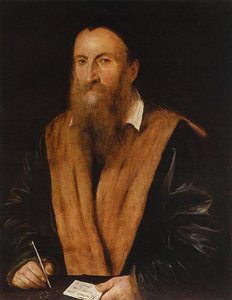
girolamo romanino
1487 - 1566 , Italy
Quick Facts
- Artistic Movement Or Style: Neoclassicism, Stucco
- Artists Or Movements Influenced By This Artist: ['European Neoclassical designers']
- Artists Who Influenced This Artist: ['Raphael']
- Date Of Birth: Oct 27, 1487
- Date Of Death: 1561/64
- Full Name: Giovanni da Udine
- Nationality: Italian
- Notable Artworks: ['Vatican Loggie']
- Place Of Birth: Udine, Italy

