 Preview
 Send
Send Share
Share
 Details

 Download
 Similars
 X-Ray
X-Ray Diaporama
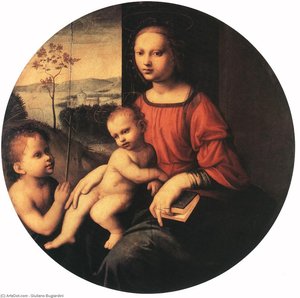
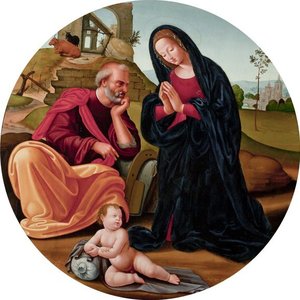
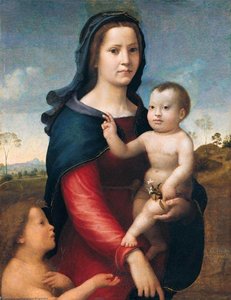
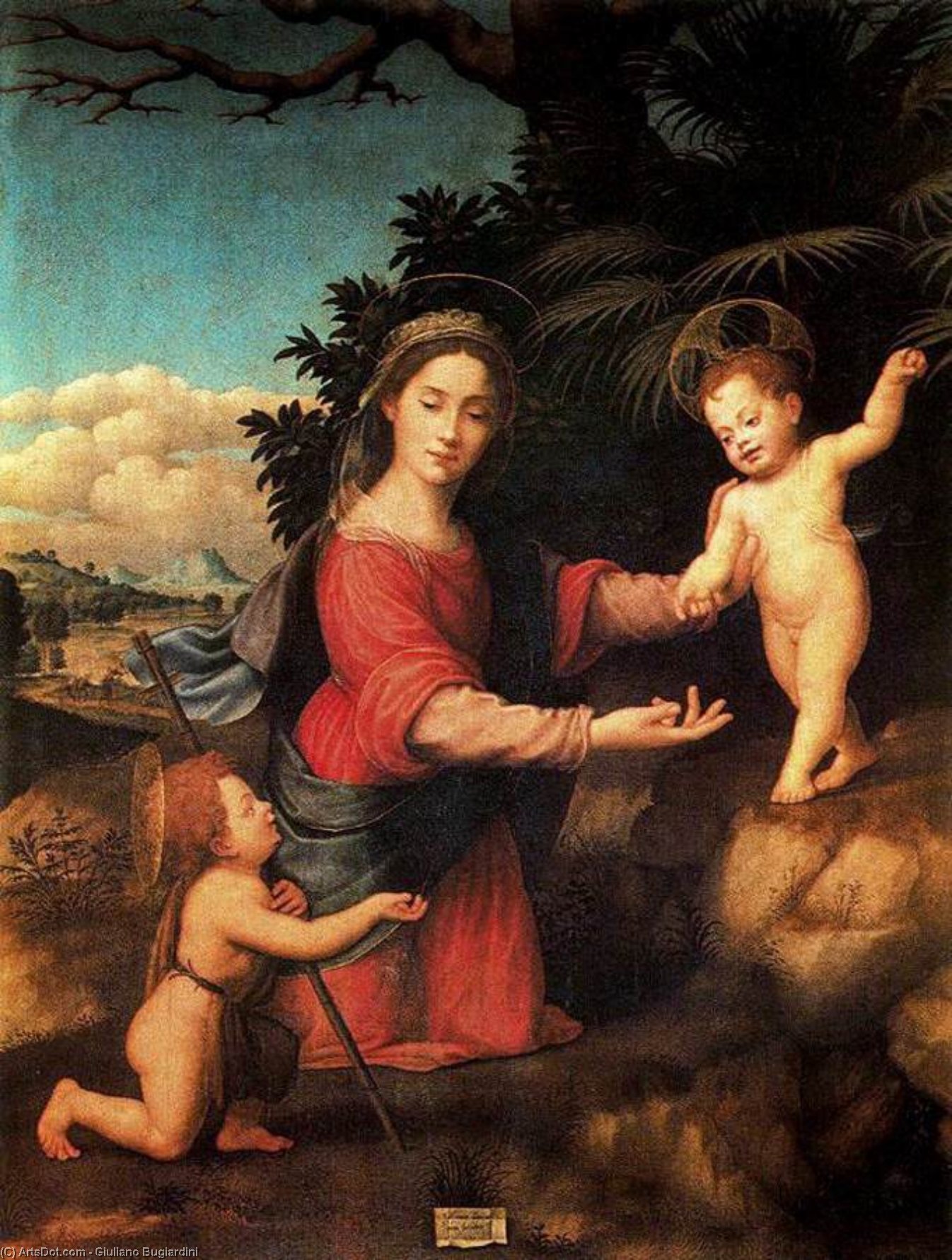
Virgin and Child with the Infant St John the Baptist
 Tempera On Panel
- WallArt
- Renaissance
 1520
1520- Renaissance
 118.0 x 91.0 cm
 Galleria dell'Accademia
 Read More
Hand Made Oil Reproduction
Hand-painted oil on canvas in your size and frame, made to order by our artists. ( Buy Print Buy Image)




P118B $10

P118H $10

P118W $10

P438Z $10

P508JH $12

P508YH $12

P805H $10

P805Z $10

P919BZ $10

P919G $10

P919XJ $10

P959ZH $10

P968JZ $12

W106C $8

W218G $10

W218JH $8

W218Y $10

W307PJ $10

W316G $10

W316PJ $8

W316Y $10

W398PJ $8

W4111J $10

W500HY $15

W500JH $15

W692G $12

W849H $8

W940BG $15

W953PJ $8




Pick from our preset sizes that match the artwork's original proportions.

You may enter your own dimensions to fit a specific frame or space. If your selected size does not match the original image's proportions, we will either crop the artwork or extend the painting with additional hand-painted elements. A digital mockup will be sent for your approval before production begins.
Please note that the on-screen preview does not reflect the actual cropping or extension. Only the mockup will accurately show the final composition.
While custom sizes are available, we recommend selecting a dimension from the predefined list to preserve the original proportions.
After order, ArtsDot.com team will email client for instructions and provide a mockup preview
Worldwide Delivery () in 3/4 weeks instead of standard 5 weeks. (23 August). No compromise on quality.

Free Worldwide Express Shipping

High-Quality Linen Canvas

Full Shipping Insurance

Customs Tax Refund Guarantee

True Color Matching Guarantee

60-Day Return Policy (Defects Only)

100% Money-Back Guarantee

Bulk Discount Offer
 Glass option is only available in size under 110 CM

Virgin and Child with the Infant St John the Baptist
Reproduction Medium
Reproduction Size
-


Total Price
$ 263
Artwork Description
A Renaissance Reverie: The Grace of Bugiardini
In the heart of the High Renaissance, a period defined by an unparalleled devotion to beauty and humanist ideals, Giuliano Bugiardini captured a moment of profound spiritual intimacy. His masterpiece, Virgin and Child with the Infant St John the Baptist, is far more than a mere religious icon; it is a carefully orchestrated meditation on maternal grace and divine promise. Completed around 1520, this work invites the viewer into a sacred space where the boundaries between the earthly and the divine begin to blur. As one gazes upon the Virgin Mary, her presence radiates a serene strength, cradling the infant Jesus with a tenderness that feels both timeless and deeply human. The composition, balanced and harmonious, reflects the Florentine preoccupation with proportion, drawing the eye toward the central figures who serve as the emotional anchor of this celestial narrative.
The technical brilliance of Bugiardini is revealed through his masterful command of light and texture. Utilizing the sfumato technique—a method of painstakingly blending colors to eliminate harsh outlines—the artist achieves an ethereal luminosity that softens the contours of the holy figures, imbuing them with a lifelike, breathing quality. This softness is contrasted by the dramatic use of chiaroscuro, where light and shadow dance across the folds of Mary’s crimson robes and the delicate skin of the infants, sculpting their forms with remarkable three-dimensional precision. The artist's commitment to realism is further evidenced by his use of precious pigments; the deep, resonant blues, likely derived from costly lapis lazuli, lend a regal weight to the scene, while the subtle glazes create a sense of atmospheric depth that makes the background foliage feel as though it exists in a real, breathable world.
Symbolism and the Soul of the Canvas
Every element within this painting serves as a silent language of faith. The central figure of Mary, draped in rich reds that symbolize her passion and humanity, gestures with an unwavering grace that speaks to her acceptance of a divine destiny. Beside her, the infant St. John the Baptist provides a poignant connection to the future, his presence a precursor to the salvation Christ represents. The interplay between the vibrant red of Mary’s dress and the soft blues of the surrounding elements creates a visual symphony that guides the viewer through a journey of spiritual contemplation. Even the natural setting—the subtle inclusion of trees and the gentle play of light—acts as a metaphor for the flourishing of life under divine protection.
For the discerning collector or interior designer, this artwork offers much more than aesthetic appeal; it provides a focal point of profound emotional resonance. A high-quality reproduction of this piece brings with it an aura of classical sophistication and historical depth, making it an ideal centerpiece for spaces designed to inspire reflection and tranquility. Whether placed in a grand gallery or a curated private study, Bugiardini’s work continues to evoke the same sense of wonder that captivated the Florentine masters five centuries ago, offering a window into a world where art and divinity were inextricably linked.
Related Artworks
Artist Biography
Michelangelo Buonarroti: A Titan of the Renaissance
Michelangelo di Lodovico Buonarroti Simoni, a name synonymous with artistic genius, stands as arguably the most influential figure in Western art history. Born in Caprese in 1475, he was not simply an artist; he was a sculptor, painter, architect, draughtsman, and poet—a true Renaissance man who embodied the era’s ideals of human potential and creative exploration. His life, marked by both extraordinary achievement and personal struggles, continues to fascinate and inspire centuries later. From his humble beginnings as the son of a Florentine magistrate, Michelangelo rose to become the dominant force in Italian art during the High Renaissance, leaving behind a legacy that fundamentally shaped Western artistic traditions.
Early Life and Artistic Training
Michelangelo’s early life was steeped in family pride and a desire for social advancement. His father, Lodovico Buonarroti, a member of the Florentine government, sought to elevate his lineage by claiming descent from the great Renaissance artist Leonardo da Vinci. Despite this ambition, Michelangelo's artistic talent quickly became apparent, leading him to be apprenticed to Domenico Ghirlandaio, a prominent painter in Florence, at the age of 13. This initial training provided him with foundational skills in fresco painting and drawing, but it was his subsequent mentorship under Lorenzo de’ Medici that truly ignited his creative fire. The Medici family, powerful patrons of the arts, offered Michelangelo access to their vast collection of classical sculptures—a pivotal moment that profoundly influenced his artistic sensibilities. He studied the works of ancient Greek and Roman sculptors, absorbing their ideals of beauty, proportion, and anatomical accuracy. This exposure to antiquity would become a defining characteristic of his work, shaping his approach to both sculpture and painting.
Sculptural Masterpieces: Form and Emotion
Michelangelo’s sculptural achievements are legendary, representing the pinnacle of Renaissance artistry. His early works, such as the *Bacchus* (1496-7) and the *Pietà* (1498-9), demonstrated his mastery of marble carving and his ability to imbue inanimate stone with profound emotional depth. The *Pietà*, depicting Mary cradling the dead Christ, is particularly renowned for its exquisite realism, serene beauty, and poignant expression of grief—a testament to Michelangelo’s understanding of human anatomy and his capacity to convey complex emotions through form alone. The *David* (1501-4), a colossal marble statue of the biblical hero David before his battle with Goliath, solidified Michelangelo's reputation as a genius. This iconic sculpture embodies the Renaissance ideal of the heroic male figure—strong, confident, and imbued with an inner strength that transcends mere physical prowess. The sheer scale of *David*, combined with its dynamic pose and meticulous detail, was revolutionary for its time.
Painting: The Sistine Chapel Ceiling and Beyond
While Michelangelo considered himself primarily a sculptor, his work as a painter is equally significant. His most celebrated achievement in this realm is undoubtedly the ceiling frescoes of the Sistine Chapel in Vatican City (1508-1512). Commissioned by Pope Julius II, this monumental undertaking demanded immense physical and artistic effort—Michelangelo spent four years lying on his back to paint hundreds of figures depicting scenes from Genesis. The *Creation of Adam*, arguably the most famous image within the frescoes, captures a moment of divine inspiration with breathtaking power and dynamism. Beyond the Sistine Chapel, Michelangelo painted several other significant works, including *The Last Judgment* (1536-1541) on the altar wall of the same chapel—a dramatic depiction of the apocalypse that reflects the artist’s increasingly tormented state of mind. His work in the Laurentian Library at Florence, particularly the panels depicting the prophets and sibyls, showcases his innovative use of color and his mastery of perspective.
Architectural Contributions and Lasting Legacy
Michelangelo’s influence extended beyond sculpture and painting into the realm of architecture. He served as the architect for St Peter's Basilica in Rome, overseeing significant structural changes and contributing to the design of its iconic dome. His work on the Medici Chapel in Florence is another notable example of his architectural vision—a lavishly decorated mausoleum that exemplifies Mannerist style. Throughout his long career, Michelangelo’s artistic innovations—his emphasis on anatomical accuracy, his dramatic use of light and shadow, and his profound understanding of human emotion—influenced generations of artists. He remains a towering figure in the history of art, whose works continue to captivate audiences worldwide and serve as enduring symbols of Renaissance creativity and human potential.
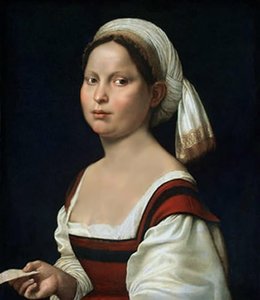
giuliano bugiardini
1475 - 1555 , Italy
Quick Facts
- Artistic Movement Or Style: High Renaissance, Mannerism
- Artists Or Movements Influenced By This Artist:
- Renaissance artists
- Mannerist architecture
- Artists Who Influenced This Artist:
- Classical antiquity
- Leonardo da Vinci
- Date Of Birth: 6 March 1475
- Date Of Death: 18 February 1564
- Full Name: Michelangelo di Lodovico Buonarroti Simoni
- Nationality: Italian
- Notable Artworks:
- Pietà
- David
- Sistine Chapel ceiling
- The Creation of Adam
- Moses
- The Last Judgment
- Place Of Birth: Caprese, Italy
Related Articles

John Constable's Masterpieces: Explore 25 Iconic Landscapes for Your Home
Journey through John Constable's 25 most celebrated landscapes. Explore Romanticism, Dedham Vale & his masterful use of light in iconic paintings like 'Hay Wain'. Find museum-quality art reproductions and elevate your home decor on ArtsDot.com.

John Singer Sargent's 25 Masterpieces: Portraits & Beyond | ArtsDot
Explore 25 iconic John Singer Sargent paintings – from dazzling portraits to Impressionist landscapes. Discover the stories behind Madame X, El Jaleo & more! Find museum-quality art reproductions and elevate your home decor with ArtsDot.com.

Fra Angelico's Masterpieces: 25 Renaissance Paintings for Your Home | ArtsDot
Explore 25 breathtaking masterpieces by Fra Angelico, a Renaissance master. Discover the stories behind his iconic frescoes, Annunciations & religious art. Find museum-quality reproductions and elevate your home decor with ArtsDot.com.

El Greco's Masterpieces: Explore 25 Iconic Paintings & Spiritual Visions | ArtsDot
Journey through El Greco's 25 most iconic paintings! Explore the spiritual depth & dramatic beauty of this Spanish Renaissance master. Discover art history, techniques & find museum-quality reproductions for your home at ArtsDot.com.

Giotto's Masterpieces: 25 Renaissance Artworks for Your Home | ArtsDot
Explore 25 breathtaking artworks by Giotto di Bondone, a Renaissance master. Discover the stories behind iconic frescoes & paintings like the Scrovegni Chapel cycle. Find museum-quality Giotto reproductions and elevate your home decor with ArtsDot.com.