

 Preview
 Send
Send Share
Share
 Details

 Download
 Similars
 X-Ray
X-Ray Diaporama
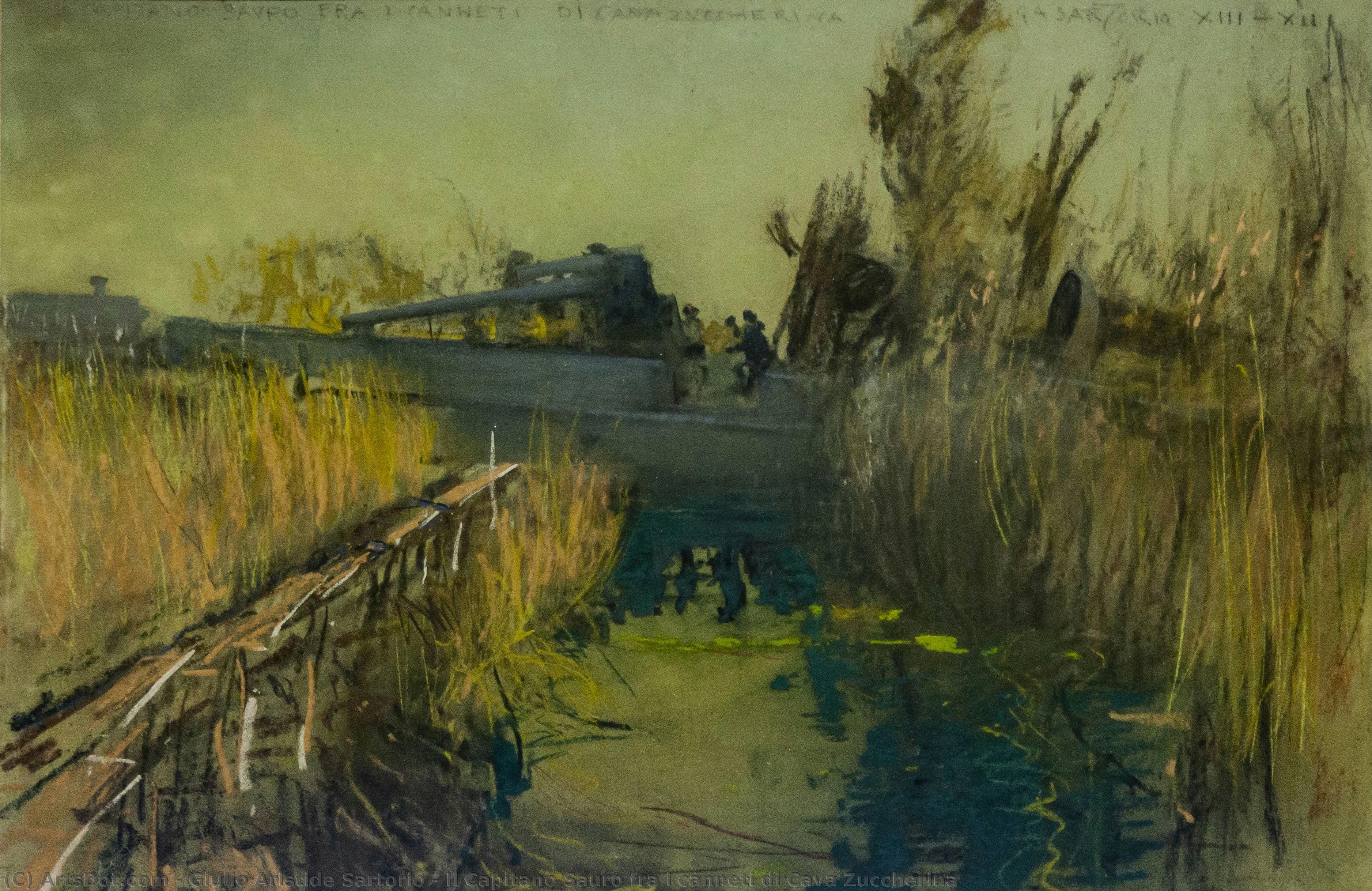
Il Capitano Sauro fra i canneti di Cava Zuccherina
 Watercolor
- WallArt
- Symbolism
 19th Century
 Ministero degli Affari Esteri e della Cooperazione Internazionale. Collezione Farnesina
 Read More
Purchase a high-resolution, enhanced digital image, far superior to the online preview.
Each file is meticulously prepared by our in-house specialists using advanced tools and expert manual retouching. We ensure every image has exceptional clarity, precise color accuracy, and fine detail.
The final file is delivered via email within 72 hours, optimized for immediate use in professional, editorial, and print environments. This is the same quality trusted by top-tier design studios, publishers, and galleries.
Digital Image
Download a high-resolution file for personal display, printing, and creative projects. ( Buy Print Buy Hand Made Painting)
Included in Every Digital Image Order
Expert Digital Delivery, Guaranteed
When you choose ArtsDot.com, you're not just getting an image - you're receiving a professionally enhanced digital artwork, crafted with precision and backed by a satisfaction guarantee. Here's everything that comes with your order, automatically:

Fast Email Delivery
Your high-resolution digital image file will be emailed to you within 72 hours of ordering - ready for immediate use.

AI-Enhanced Digital File
Your artwork is professionally optimized using advanced AI tools and manual editing, ensuring maximum detail, clarity, and color accuracy.

Free Lifetime Re-Delivery
Accidentally deleted or lost your file? No worries - we'll resend it to you anytime, free of charge.

No Import Fees - Ever
Enjoy your artwork instantly with zero customs, duties, or delivery fees - digital downloads are always tax-free.

Color Accuracy Guarantee
We ensure your digital image reflects the original colors as closely as possible using professional tools and color management.

60-Day Satisfaction Guarantee
If you're not satisfied with your digital image, we'll revise it or refund 100% within 60 days - no questions asked.

100% Money-Back Guarantee
Not satisfied? Get a full refund within 60 days of receiving your digital file - no questions asked.

Bulk Order Discounts
Buy 3 images, save 10% - Buy 5, save 15% - Buy 10+, save 20%. Great for creative projects, galleries, and agencies.
A Serene Encounter in the Reeds
In the delicate, translucent layers of Giulio Aristide Sartorio’s watercolor, Il Capitano Sauro fra i canneti di Cava Zuccherina, we are invited into a moment of profound stillness. The scene unfolds along a tranquil waterway, where the gentle rustle of reeds meets the quiet presence of history. At the heart of this composition stands a figure of distinction—a man in uniform, likely Captain Sauro, positioned upon a bridge that serves as both a physical and metaphorical vantage point. Through the masterful use of watercolor, Sartorio captures not just a landscape, but an atmosphere of contemplative peace. The water, rendered with a glassy, calm surface, reflects the soft light of the day, while the distant silhouettes of boats suggest a world in slow, rhythmic motion. It is a painting that breathes with the quiet dignity of a memory preserved in pigment.
The technique employed here showcases Sartorio’s exceptional ability to manipulate the fluidity of the medium. Unlike the heavy, dramatic oils often associated with the Symbolist movement, this watercolor relies on subtle gradations of tone and light to build depth. The artist uses delicate washes to define the hazy atmosphere of the marshlands, allowing the paper itself to act as a source of luminosity. This creates a sense of "sfumato" within a much lighter medium, where the edges of the reeds and the distant figures bleed softly into the horizon. For the discerning collector, this piece offers a masterclass in how restraint can evoke grandeur; there is no need for aggressive brushstrokes when the mere suggestion of light on water can stir such deep emotional resonance.
Symbolism and the Italian Spirit
Beyond its aesthetic charm, the artwork carries the weight of early 20th-century Italian identity. Sartorio, a figure deeply entwined with the cultural movements of his era, often infused his work with mythological and patriotic undertones. In this piece, the presence of the uniformed officer amidst the natural beauty of Cava Zuccherina suggests a harmonious relationship between duty and the land. The reeds—the canneti—act as a protective, organic veil, cradling the scene in a sense of sanctuary. There is a subtle tension between the structured, disciplined presence of the man and the wild, untamed nature of the wetlands, a theme that resonates with the era's fascination with order emerging from the primordial.
For interior designers and curators, this artwork serves as an exquisite focal point for spaces that demand elegance and tranquility. Its soft palette of earth tones, muted blues, and verdant greens makes it a versatile addition to a sophisticated gallery wall or a standalone statement piece in a sunlit study. A high-quality reproduction of this work allows the delicate textures of Sartorio’s vision to be appreciated in any setting, bringing a touch of historical prestige and a sense of calm permanence to a modern interior. It is more than a depiction of a landscape; it is an invitation to pause, to breathe, and to reconnect with the quiet majesty of the natural world.
Related Artworks

Artist Biography
Walter Richard Sickert: A Shadowy Figure of London’s Modernist Scene
Walter Richard Sickert, born in Germany in 1860 and tragically dying in England in 1942, remains a compellingly enigmatic figure within the history of British art. More than just an artist, he was a keen observer of urban life, a collector of faces, and a pivotal, though often misunderstood, influence on the development of modern painting in London. His career spanned decades, witnessing and shaping the dramatic shifts occurring in artistic styles and social attitudes at the turn of the 20th century. Sickert’s work isn't easily categorized; he resisted easy labels, deliberately blurring the lines between Impressionism, Symbolism, and a distinctly personal brand of realism that captured the gritty beauty of London’s streets and its inhabitants.Early Life and Influences – A European Education
Sickert’s early life was marked by movement and a somewhat unconventional education. Born in Germany to an artist father, he spent his formative years traveling extensively across Europe, absorbing the artistic currents of Paris, Brussels, and Munich. This cosmopolitan upbringing instilled in him a deep appreciation for diverse styles and techniques – from the meticulous realism of Belgian masters to the vibrant color palettes of Impressionism. Crucially, he studied at the Royal Academy in London, gaining a foundational understanding of traditional painting methods, though he quickly sought to transcend these conventions. His exposure to the works of artists like Gustave Moreau, with his evocative Symbolist imagery and interest in the darker aspects of human experience, profoundly shaped his artistic vision. The influence of Japanese prints – particularly their flattened perspectives and emphasis on detail – is also evident throughout his oeuvre.The Camden Town Group and a London Aesthetic
In 1893, Sickert joined the burgeoning Camden Town Group, a collective of artists who sought to capture the spirit of London’s East End—a district characterized by its poverty, overcrowding, and vibrant nightlife. This group, including Walter De La Mare, William Lytton Osbourne, and John Singer Sargent (though he remained somewhat aloof), rejected the prevailing academic standards and embraced a more direct, often unflinching, portrayal of urban life. Sickert’s paintings from this period – works like *Brighton Pierrots* (1890) and *The Finishers* (1892) – are particularly notable for their loose brushwork, dramatic lighting, and focus on the marginalized figures of London's working class. He wasn’t interested in romanticizing poverty; instead, he presented it with a stark realism that revealed both its hardship and its inherent dignity. His use of photography as a source of inspiration—often directly copying press photographs – was a controversial but significant aspect of his practice, challenging traditional notions of artistic originality.Technique and Subject Matter: Shadows and Portraits
Sickert’s technique evolved considerably throughout his career. Initially influenced by Impressionism, he gradually developed a more deliberate and controlled approach, employing broken brushstrokes and subtle gradations of color to create atmospheric effects. He was particularly adept at capturing the fleeting moments of urban life – a crowded pub scene, a street corner conversation, or a solitary figure lost in thought. His portraits are equally compelling, often revealing a deep understanding of his subjects’ personalities and inner lives. Unlike many portraitists who sought to idealize their sitters, Sickert frequently depicted individuals with an unflinching honesty, capturing their wrinkles, imperfections, and vulnerabilities. He was fascinated by the interplay of light and shadow, using darkness not merely as a compositional element but also as a means of suggesting mood and psychological depth.Legacy and Historical Significance
Despite his significant contributions to British art, Sickert’s legacy has been somewhat overshadowed by controversy. The persistent rumors linking him to the Jack the Ripper murders—fueled by speculation about his London activities during the autumn of 1888—have long cast a shadow over his reputation. However, these allegations have largely been dismissed as unfounded. More importantly, Sickert’s influence extends far beyond any single sensational story. He played a crucial role in shaping the direction of British modernism, paving the way for artists like Paul Nash and Christopher Richard Wynne Turner (Turner). His willingness to experiment with new techniques, his interest in urban life, and his commitment to portraying the realities of London's underbelly made him a truly original and enduring figure in the history of art. His work continues to be studied and appreciated today for its evocative atmosphere, psychological depth, and unique vision of the modern world.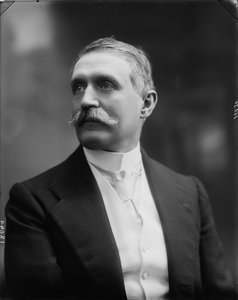
giulio aristide sartorio
1860 - 1932
Quick Facts
- Artistic Movement Or Style: British Impressionism
- Artists Or Movements Influenced By This Artist: ['Post-Impressionism']
- Artists Who Influenced This Artist: ['Impressionists']
- Date Of Birth: May 31, 1860
- Date Of Death: January 22, 1942
- Full Name: Walter Richard Sickert
- Nationality: British
- Notable Artworks:
- Brighton Pierrots
- London Group
- Camden Town Group
- Place Of Birth: Berlin, Germany

