


 Preview
 Send
Send Share
Share
 Details

 Download
 Similars
 X-Ray
X-Ray Diaporama
 Stats
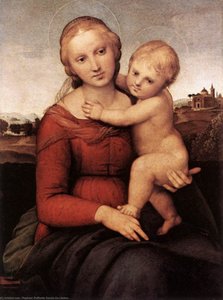
StatsMadonna and Child
 Oil On Canvas
- WallArt
- Mannerist Painting
 1522
1522 37.0 x 30.0 cm
 Galleria Nazional d Art Antica
 Read More
Purchase a high-resolution, enhanced digital image, far superior to the online preview.
Each file is meticulously prepared by our in-house specialists using advanced tools and expert manual retouching. We ensure every image has exceptional clarity, precise color accuracy, and fine detail.
The final file is delivered via email within 72 hours, optimized for immediate use in professional, editorial, and print environments. This is the same quality trusted by top-tier design studios, publishers, and galleries.
Digital Image
Download a high-resolution file for personal display, printing, and creative projects. ( Switch to Print Buy Hand Made Painting)
Included in Every Digital Image Order
Expert Digital Delivery, Guaranteed
When you choose ArtsDot.com, you're not just getting an image - you're receiving a professionally enhanced digital artwork, crafted with precision and backed by a satisfaction guarantee. Here's everything that comes with your order, automatically:

Fast Email Delivery
Your high-resolution digital image file will be emailed to you within 72 hours of ordering - ready for immediate use.

AI-Enhanced Digital File
Your artwork is professionally optimized using advanced AI tools and manual editing, ensuring maximum detail, clarity, and color accuracy.

Free Lifetime Re-Delivery
Accidentally deleted or lost your file? No worries - we'll resend it to you anytime, free of charge.

No Import Fees - Ever
Enjoy your artwork instantly with zero customs, duties, or delivery fees - digital downloads are always tax-free.

Color Accuracy Guarantee
We ensure your digital image reflects the original colors as closely as possible using professional tools and color management.

100-Day Satisfaction Guarantee
If you're not satisfied with your digital image, we'll revise it or refund 100% within 100 days - no questions asked.

100% Money-Back Guarantee
Not satisfied? Get a full refund within 100 days of receiving your digital file - no questions asked.

Bulk Order Discounts
Buy 3 images, save 10% - Buy 5, save 15% - Buy 10+, save 20%. Great for creative projects, galleries, and agencies.
Giulio Romano’s Madonna and Child: A Roman Masterpiece of Grace and Mystery
Giulio Romano's Madonna and Child, a captivating work housed within the esteemed collection of The Walters Art Museum in Baltimore, offers a profound glimpse into the heart of the Italian Renaissance. More than simply a depiction of the Virgin Mary cradling her infant son, this painting is a testament to Romano’s evolving artistic vision – a synthesis of Raphael's influence and his own burgeoning Mannerist style, reflecting a pivotal moment in art history. Completed around 1522-23 during his time in Mantua, it embodies a delicate balance between idealized beauty and subtly unsettling psychological depth.
The painting’s composition immediately draws the eye to the central figures: Mary, rendered with an exquisite blend of serenity and vulnerability, holds her child close. The infant Jesus, depicted not as a fully grown figure but as a miniature adult, gazes directly at the viewer – a deliberate choice that fosters a powerful sense of intimacy and connection. His pose, reminiscent of classical sculptures, subtly hints at his future role as the Lamb of God, foreshadowing his sacrifice. The surrounding architectural setting, a simplified yet evocative interior space, is not merely decorative; it serves to frame the scene and imbue it with a quiet dignity. The parapet at the bottom of the painting, a feature uncommon in earlier Italian works, creates an illusion of depth, drawing the viewer into the intimate world of the Madonna and Child.
The Shadow of Raphael and the Rise of Mannerism
Giulio Romano’s artistic journey is inextricably linked to that of his master, Raphael. He apprenticed under the great painter in Rome, absorbing not only technical skills but also a deep appreciation for classical ideals and harmonious composition. However, Romano quickly began to diverge from Raphael's High Renaissance style, embracing the principles of Mannerism – a movement characterized by elongated figures, distorted perspective, and an emphasis on emotional expression over strict realism. This shift is particularly evident in Madonna and Child, where the figures possess a heightened sense of elegance and dynamism compared to the more balanced compositions favored by Raphael.
The influence of Leonardo da Vinci is also palpable. Romano’s use of sfumato – a technique involving subtle gradations of tone to create a hazy, atmospheric effect – contributes to the painting's ethereal quality. Furthermore, the careful attention to detail in rendering fabrics and textures, combined with the delicate modeling of the figures, demonstrates Romano’s mastery of oil paint—a medium he skillfully employed to achieve remarkable luminosity and depth.
Symbolism and Spiritual Resonance
Beyond its aesthetic beauty, Madonna and Child is rich in symbolic meaning. The presence of St. John the Baptist, depicted as a young boy gazing at Christ with reverence, underscores the narrative arc of salvation – from innocence to sacrifice. The Lamb, held by Jesus, is a potent symbol of his future role as the sacrificial lamb, offering redemption for humanity. The muted color palette—primarily blues and browns—evokes a sense of solemnity and contemplation, inviting viewers to reflect on themes of faith, love, and mortality.
The choice of a domestic setting, rather than a grand landscape, further enhances the painting’s emotional impact. It suggests that the Madonna and Child are not distant figures but intimately connected members of a family—a powerful reminder of the nurturing role of Mary in the Christian faith. The overall effect is one of profound tenderness and spiritual resonance, inviting viewers to connect with the timeless themes explored within this masterpiece.
A Legacy of Artistic Innovation
Giulio Romano’s Madonna and Child stands as a pivotal work in the transition from High Renaissance to Mannerism. It showcases his evolving artistic style—a synthesis of Raphael's influence and his own innovative approach to composition, form, and color. The painting’s enduring appeal lies not only in its technical brilliance but also in its profound emotional depth and symbolic richness. It remains a testament to Romano’s genius and a captivating example of the transformative power of art.
Related Artworks
Artist Biography
A Roman Beginning and Apprenticeship Under a Master
Giulio Romano, born Giulio Pippi around 1499 in Rome, emerged during a period of immense artistic ferment. Details surrounding his early life remain somewhat elusive, yet it is known he swiftly entered the orbit of Raphael, arguably the most celebrated painter of the High Renaissance. This apprenticeship proved pivotal, shaping not only his technical skills but also laying the foundation for his future stylistic explorations. He wasn’t merely a studio assistant; Giulio rapidly became an indispensable collaborator, contributing to significant projects like the decoration of the Vatican Stanze – those magnificent rooms commissioned by Popes Julius II and Leo X. His hand can be identified in the monumental fresco *The Fire in the Borgo*, where he assisted Raphael in depicting a dramatic scene of miraculous intervention. Following Raphael’s untimely death in 1520, Giulio inherited responsibility for completing numerous unfinished commissions, including the ambitious decoration of Villa Madama for Cardinal Giuliano de' Medici. This early exposure to large-scale projects and the demands of aristocratic patronage instilled within him a confidence and ambition that would define his later career.The Birth of Mannerism: A Departure from Classical Harmony
While deeply rooted in the Renaissance tradition, Giulio Romano’s artistic trajectory soon diverged from the prevailing emphasis on classical balance and harmony. He became a key figure in the development of Mannerism – a style characterized by its artificiality, elegance, and often unsettling distortions of form. Influenced profoundly by Michelangelo's powerful figures and dynamic compositions, as well as a broader climate of artistic experimentation, Giulio began to embrace asymmetry, tension, and emotional intensity in his work. This wasn’t a rejection of Renaissance ideals so much as a deliberate exploration of their limits, pushing beyond the constraints of naturalism to create works that were more expressive and intellectually stimulating. He increasingly modified Raphael's plans, injecting a new sensibility into Roman art—a statement of Mannerism on a grand scale. This shift is readily apparent in his drawings, which exhibit a remarkable freedom of line and a penchant for dramatic foreshortening.Mantua’s Master: Palazzo Te and Architectural Innovation
In 1524, Giulio accepted the invitation of Federico Gonzaga, Duke of Mantua, to become court painter and architect. This marked a turning point in his career, providing him with unprecedented creative freedom and resources. He essentially became responsible for all artistic activity within the duchy, overseeing not only paintings and frescoes but also architectural projects, garden designs, and even theatrical productions. His most celebrated achievement during this period is undoubtedly Palazzo Te, an extraordinary suburban villa that stands as a testament to his innovative genius. The palace’s interiors are adorned with illusionistic frescoes of breathtaking complexity and psychological depth. The *Sala dei Giganti* (Hall of the Giants), for example, depicts a chaotic battle between gods and giants, engulfing the viewer in a swirling vortex of figures and architectural fragments. This masterful manipulation of space and perspective creates an immersive experience that is both awe-inspiring and unsettling. Beyond Palazzo Te, Giulio also undertook significant renovations to Mantua’s ducal palace and cathedral, leaving an indelible mark on the city's urban landscape.Legacy and Lasting Influence
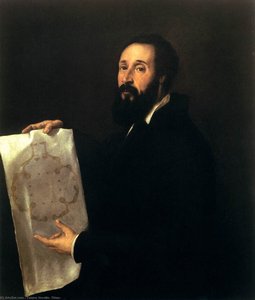
Giulio Romano died in Mantua in 1546, leaving behind a legacy that extended far beyond Italy’s borders. His drawings were highly prized by collectors, and engravings based on his work – particularly those by Marcantonio Raimondi – played a crucial role in disseminating Italian artistic styles throughout Europe. He was so famous after his death that he is the only “modern” artist mentioned by William Shakespeare in a play—a testament to his widespread renown. His influence can be seen in the works of numerous subsequent artists, who adopted his dynamic compositions, elongated figures, and expressive use of color. While Mannerism eventually gave way to other stylistic movements, Giulio Romano’s contributions remain essential to understanding the evolution of Western art. He represents a pivotal moment—a transition from the harmonious ideals of the High Renaissance to the more complex and emotionally charged aesthetic of the late 16th century. His work continues to captivate and challenge viewers today, reminding us of the power of art to both reflect and shape our understanding of the world.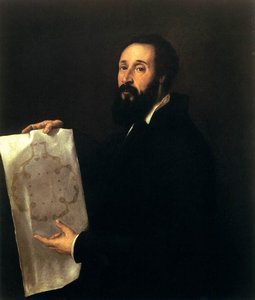
Giulio Romano
1499 - 1546 , Italy
Quick Facts
- Artistic Movement Or Style: Mannerism
- Artists Or Movements Influenced By This Artist: ['Mannerist artists']
- Artists Who Influenced This Artist:
- Raphael
- Michelangelo
- Date Of Birth: c. 1499
- Date Of Death: November 1, 1546
- Full Name: Giulio Romano
- Nationality: Italian
- Notable Artworks:
- The Fire in the Borgo
- Palazzo Te
- Villa Madama
- Place Of Birth: Rome, Italy