

 Preview
 Send
Send Share
Share
 Details

 Download
 Similars
 X-Ray
X-Ray Diaporama
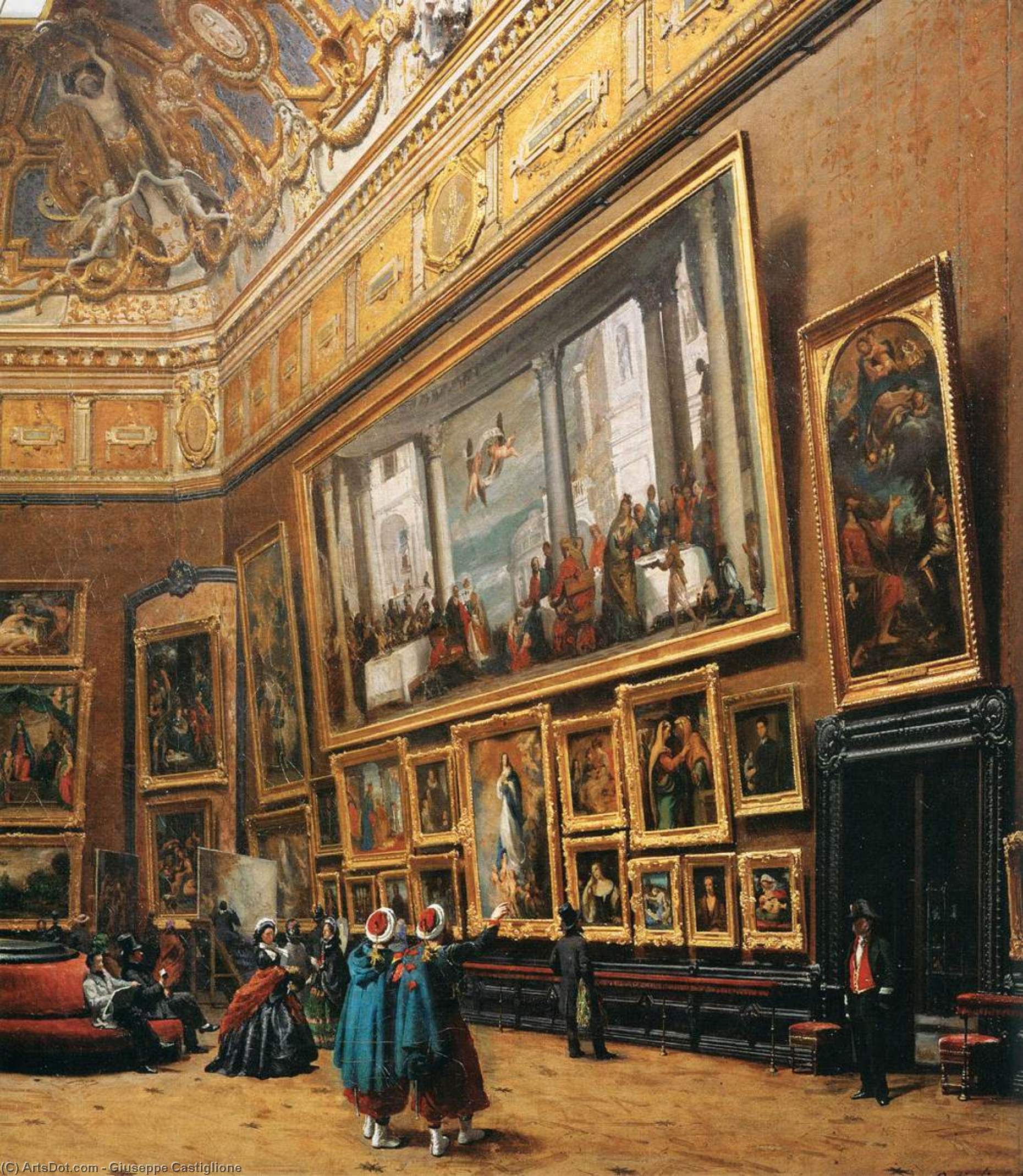
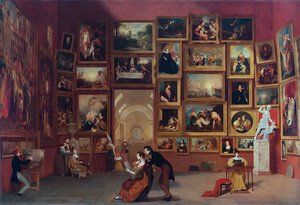
View of the Grand Salon Carré in the Louvre (detail)


 Read More
Purchase a high-resolution, enhanced digital image, far superior to the online preview.
Each file is meticulously prepared by our in-house specialists using advanced tools and expert manual retouching. We ensure every image has exceptional clarity, precise color accuracy, and fine detail.
The final file is delivered via email within 72 hours, optimized for immediate use in professional, editorial, and print environments. This is the same quality trusted by top-tier design studios, publishers, and galleries.
Digital Image
Download a high-resolution file for personal display, printing, and creative projects. ( Buy Print Buy Hand Made Painting)
Included in Every Digital Image Order
Expert Digital Delivery, Guaranteed
When you choose ArtsDot.com, you're not just getting an image - you're receiving a professionally enhanced digital artwork, crafted with precision and backed by a satisfaction guarantee. Here's everything that comes with your order, automatically:

Fast Email Delivery
Your high-resolution digital image file will be emailed to you within 72 hours of ordering - ready for immediate use.

AI-Enhanced Digital File
Your artwork is professionally optimized using advanced AI tools and manual editing, ensuring maximum detail, clarity, and color accuracy.

Free Lifetime Re-Delivery
Accidentally deleted or lost your file? No worries - we'll resend it to you anytime, free of charge.

No Import Fees - Ever
Enjoy your artwork instantly with zero customs, duties, or delivery fees - digital downloads are always tax-free.

Color Accuracy Guarantee
We ensure your digital image reflects the original colors as closely as possible using professional tools and color management.

60-Day Satisfaction Guarantee
If you're not satisfied with your digital image, we'll revise it or refund 100% within 60 days - no questions asked.

100% Money-Back Guarantee
Not satisfied? Get a full refund within 60 days of receiving your digital file - no questions asked.

Bulk Order Discounts
Buy 3 images, save 10% - Buy 5, save 15% - Buy 10+, save 20%. Great for creative projects, galleries, and agencies.
A Glimpse of Grandeur: Castiglione’s Louvre Salon
Giuseppe Castiglione's “View of the Grand Salon Carré in the Louvre” is more than just a painting; it’s a meticulously crafted window into a vanished world of aristocratic leisure and artistic patronage. Completed in 1861, this oil-on-canvas masterpiece transports us to the heart of Paris’s most prestigious museum during the Second Empire – an era defined by opulent displays of wealth, refined taste, and a profound appreciation for classical art. Castiglione, an Italian Jesuit brother who spent decades immersed in Chinese court life, uniquely blended European artistic conventions with the vibrant aesthetics he encountered in China, creating a style both strikingly original and deeply layered.
The scene unfolds within the Grand Salon Carré, a vast hall of the Louvre Palace – a space designed to impress and inspire. Castiglione doesn’t simply depict the room; he captures its atmosphere with remarkable precision. A group of elegantly dressed figures—men in the formal uniforms of military officers and women adorned in fashionable period attire—are absorbed in contemplating the numerous paintings that line the walls. Their postures, gestures, and expressions suggest a shared appreciation for beauty and an awareness of their own privileged position within society. The composition is carefully balanced, drawing the eye through the room with a subtle interplay of lines and shapes, creating a sense of depth and perspective that’s both realistic and subtly idealized.
A Fusion of Styles: Castiglione's Artistic Language
Castiglione’s artistic language is a fascinating synthesis of European academic painting and Chinese influences. The meticulous detail evident in the rendering of fabrics, furniture, and portraits reflects the rigorous training he received within the Jesuit order and the prevailing standards of French art academies. However, the overall mood—the slightly hazy atmosphere, the subtle use of color, and the emphasis on capturing a fleeting moment—evokes the spirit of Chinese landscape painting. This fusion is particularly evident in the way Castiglione uses light and shadow to create a sense of depth and atmosphere, reminiscent of traditional Chinese brushwork.
The technique itself is masterful. Castiglione employs smooth, blended brushstrokes to build up layers of color, creating a rich and luminous surface. He demonstrates a keen understanding of perspective, using linear techniques to convincingly portray the vastness of the salon and the receding planes of the walls. The use of warm colors—golds, browns, reds, and ochres—contributes to the painting’s overall sense of warmth and grandeur, while subtle variations in tone create a dynamic interplay of light and shadow.
Symbolism and Social Commentary
Beyond its technical brilliance, “View of the Grand Salon Carré” offers a glimpse into the social dynamics of 19th-century Paris. The painting subtly comments on the role of art within aristocratic society—a space where beauty was not merely admired but actively consumed and celebrated. The figures in the scene are not simply observers; they are participants in a ritual of aesthetic appreciation, reinforcing their status and solidifying their place within the social hierarchy.
The choice of subject matter – a grand salon filled with paintings – is itself symbolic. It underscores the importance of art as a marker of wealth, taste, and cultural refinement. The painting’s composition—with its carefully arranged figures and meticulously rendered details—reflects the values of order, harmony, and beauty that were highly prized by the French aristocracy during this period. The inclusion of military officers suggests the close ties between the arts and the state, highlighting the role of art in projecting an image of power and prestige.
A Legacy of Artistic Innovation
Giuseppe Castiglione’s “View of the Grand Salon Carré in the Louvre” remains a testament to his extraordinary artistic talent and his ability to bridge cultures. It is a captivating work that invites us to step back in time and experience the splendor of 19th-century Paris—a world where art was not just an object of beauty but a powerful symbol of social status, cultural refinement, and aristocratic privilege. Reproductions of this remarkable painting offer a unique opportunity to bring a touch of historical grandeur into any setting, capturing the essence of a bygone era with exquisite detail and evocative charm.
Related Artworks

Artist Biography
Giuseppe Castiglione: A Bridge Between East and West
- Born: Milan, Italy (1688)
- Died: 1766
- Other Names: Lang Shining (郎世宁)
Giuseppe Castiglione was an Italian Jesuit brother and missionary who left a significant mark on Chinese art during the Qing dynasty. Born in Milan, he joined the Society of Jesus and eventually served as an artist at the imperial court for three successive emperors: Kangxi, Yongzheng, and Qianlong. His unique ability to blend European artistic techniques with traditional Chinese styles made him a highly valued figure within the imperial household.
Early Life and Training
- Castiglione received a private education in Milan, demonstrating an early aptitude for painting.
- He studied under a master painter, laying the foundation for his future artistic career.
- In 1707, he entered the Society of Jesus in Genoa, becoming a lay brother rather than a priest. This allowed him to pursue his artistic talents while remaining within the Jesuit order.
- Before traveling to China, Castiglione spent several years in Coimbra, Portugal, where he decorated the chapel of St. Francis Borgia with notable paintings, including *Circumcision of Jesus*.
Artistic Career and Style
- Arrival in China: Castiglione arrived in Beijing in 1715 and initially worked as an artisan in the imperial enamel workshop.
- Adoption of Chinese Name: He adopted the name Lang Shining, signifying his integration into Chinese society.
- Fusion of Styles: Castiglione’s artistic style is characterized by a remarkable fusion of European and Chinese traditions. He skillfully combined Western perspective, shading techniques (chiaroscuro), and draftsmanship with traditional Chinese themes, composition styles, and materials like silk.
- Imperial Patronage: His talent was quickly recognized, leading to patronage from the Yongzheng Emperor who commissioned several works. The Qianlong Emperor particularly favored Castiglione, granting him increasingly higher official ranks and commissioning numerous paintings over three decades.
- Subjects of his Work: Castiglione’s subjects included portraits of emperors and empresses, depictions of tribute horses (a series known as the "Four Afghan Steeds"), and a significant series of “Battle Copper Prints” commemorating Qianlong's military campaigns.
Notable Works and Legacy
- One Hundred Horses in a Landscape (1728): This monumental work for the Yongzheng Emperor is considered Castiglione’s masterpiece. Executed on silk, it showcases his mastery of perspective and light while subtly adapting European techniques to suit Chinese aesthetics.
- Battle Copper Prints: These prints, created in collaboration with other Jesuit artists, documented Qianlong's military victories and were distributed both within China and to Europe, demonstrating the global reach of Castiglione’s work.
- Architectural Contributions: Beyond painting, Castiglione also designed Western-style palaces within the Old Summer Palace gardens, further blending European and Chinese architectural styles.
Historical Significance
- Cultural Exchange: Giuseppe Castiglione played a pivotal role in facilitating cultural exchange between Europe and China during the 18th century. His art served as a bridge, introducing Western artistic techniques to China while simultaneously incorporating Chinese elements into his own work.
- Influence on Qing Court Art: He significantly influenced the aesthetic of the Qing court, contributing to a new style that combined realism with traditional Chinese conventions.
- Legacy: Castiglione’s legacy continues to be celebrated for its unique blend of artistic traditions and its historical significance as a testament to cross-cultural understanding and collaboration. His works are highly valued by collectors and scholars alike, offering valuable insights into the art and culture of 18th-century China.
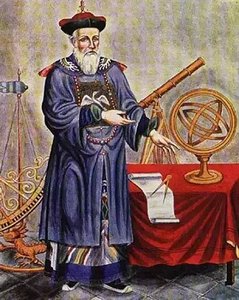
Giuseppe Castiglione
1688 - 1766 , Italy
Quick Facts
- Artistic Movement Or Style: European and Chinese fusion
- Artists Who Influenced This Artist:
- Carlo Cornara
- Andrea Pozzo
- Date Of Birth: 1688-07-19
- Date Of Death: 1766-07-17
- Full Name: Giuseppe Castiglione
- Nationality: Italian
- Notable Artworks:
- One Hundred Horses in a Landscape
- Four Afghan Steeds
- Place Of Birth: Milan, Italy

