

 Preview
 Send
Send Share
Share
 Details

 Download
 Similars
 X-Ray
X-Ray Diaporama
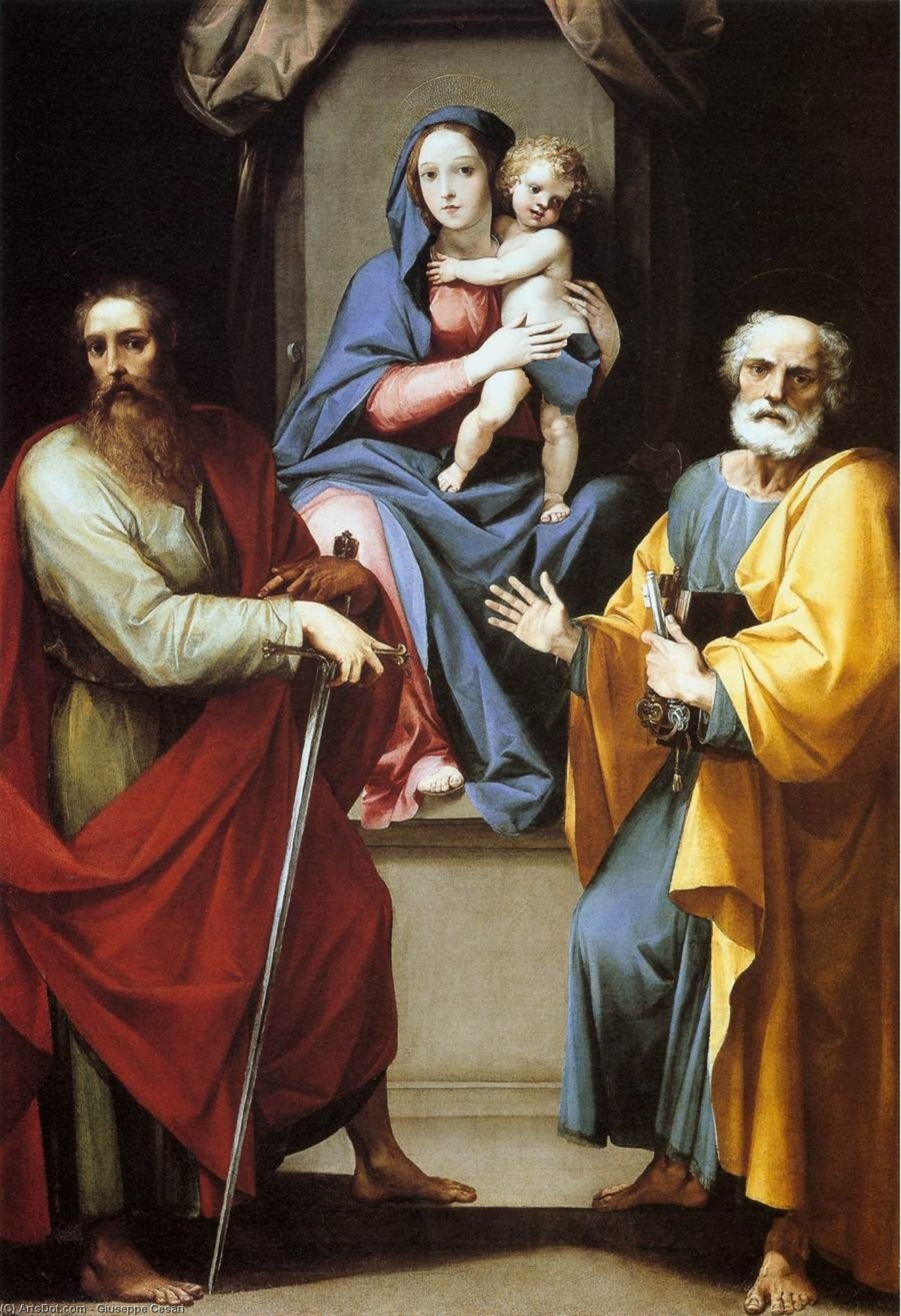
Madonna and Child with Sts. Peter and Paul
 Oil On Canvas
- WallArt
- Mannerism
 1608
1608- Early Modern
 174.0 x 120.0 cm
 Nelson-Atkins Museum of Art
 Read More
Purchase a high-resolution, enhanced digital image, far superior to the online preview.
Each file is meticulously prepared by our in-house specialists using advanced tools and expert manual retouching. We ensure every image has exceptional clarity, precise color accuracy, and fine detail.
The final file is delivered via email within 72 hours, optimized for immediate use in professional, editorial, and print environments. This is the same quality trusted by top-tier design studios, publishers, and galleries.
Digital Image
Download a high-resolution file for personal display, printing, and creative projects. ( Buy Print Buy Hand Made Painting)
Included in Every Digital Image Order
Expert Digital Delivery, Guaranteed
When you choose ArtsDot.com, you're not just getting an image - you're receiving a professionally enhanced digital artwork, crafted with precision and backed by a satisfaction guarantee. Here's everything that comes with your order, automatically:

Fast Email Delivery
Your high-resolution digital image file will be emailed to you within 72 hours of ordering - ready for immediate use.

AI-Enhanced Digital File
Your artwork is professionally optimized using advanced AI tools and manual editing, ensuring maximum detail, clarity, and color accuracy.

Free Lifetime Re-Delivery
Accidentally deleted or lost your file? No worries - we'll resend it to you anytime, free of charge.

No Import Fees - Ever
Enjoy your artwork instantly with zero customs, duties, or delivery fees - digital downloads are always tax-free.

Color Accuracy Guarantee
We ensure your digital image reflects the original colors as closely as possible using professional tools and color management.

60-Day Satisfaction Guarantee
If you're not satisfied with your digital image, we'll revise it or refund 100% within 60 days - no questions asked.

100% Money-Back Guarantee
Not satisfied? Get a full refund within 60 days of receiving your digital file - no questions asked.

Bulk Order Discounts
Buy 3 images, save 10% - Buy 5, save 15% - Buy 10+, save 20%. Great for creative projects, galleries, and agencies.
Related Artworks

Artist Biography
Giuseppe Cesari: A Master of Mannerist Grandeur
Giuseppe Cesari, born in Arpino around 1568 and tragically passing away in Rome in 1640, remains a fascinating yet somewhat enigmatic figure within the rich tapestry of Italian art history. While not always celebrated with the fervent acclaim afforded to his contemporaries – particularly those associated with the High Renaissance or the Baroque – Cesari’s career spanned an extraordinary period, witnessing and actively participating in pivotal shifts within artistic style and patronage. His story is one interwoven with ambition, technical skill, and a persistent struggle to establish a lasting legacy amidst the brilliance of Rome's artistic scene. He was a key figure during the Mannerist period, a stylistic bridge between the classical ideals of the Renaissance and the dramatic innovations that would define the Baroque era. Cesari’s early life remains somewhat shrouded in mystery, though it is generally accepted he was born in Arpino, a small town nestled between Rome and Naples. His father, also named Giuseppe, was a painter, providing young Giuseppe with an initial grounding in artistic techniques. However, it was his relocation to Rome that truly shaped his career trajectory. The city, at the heart of papal patronage and a magnet for artists from across Italy and beyond, offered unparalleled opportunities – and fierce competition. He initially apprenticed under Benedetto Cesani, a painter known for his frescoes in the Vatican, before eventually finding himself associated with the renowned architect Carlo Maderno. This connection proved crucial, opening doors to significant commissions and introducing him to influential figures within the Roman art world.The Rise of a Court Painter
Cesari’s career truly ascended during the reign of Pope Clement VIII (1592-1605). He quickly established himself as a highly sought-after painter, securing prestigious commissions that cemented his reputation and brought him considerable wealth. His most celebrated achievement undoubtedly lies in his involvement with the decoration of St. Peter’s Basilica. Between 1603 and 1612, he was entrusted with designing the magnificent mosaics adorning the dome – a monumental undertaking that showcased his technical prowess and artistic ambition. These mosaics, depicting scenes from the life of Christ and the Virgin Mary, are considered among the finest examples of Mannerist mosaic art. Beyond St. Peter’s, Cesari received numerous other commissions, including frescoes for palaces, churches, and private residences throughout Rome. He was a prolific artist, producing a vast body of work that reflects his diverse range of skills and stylistic preferences.Style and Technique
Cesari's artistic style is often described as Mannerist, characterized by its elegance, refinement, and intricate detail. His compositions are typically balanced and symmetrical, reflecting the influence of artists like Giulio Romano and Pontormo. He employed a rich palette of colors, often utilizing gold leaf to create a sense of opulence and grandeur. While he demonstrated considerable skill in fresco painting – particularly evident in his work at St. Peter’s – he was equally adept at producing cabinet pictures (small-scale paintings intended for private display). These works frequently depicted religious or mythological subjects, executed with meticulous attention to detail and a distinctly Flemish influence. His style is often described as polished and somewhat mannered, lacking the raw emotional intensity of later Baroque artists like Caravaggio.Influences and Legacy
Cesari’s artistic development was undoubtedly shaped by his exposure to the diverse styles prevalent in Rome during his time. He absorbed influences from the High Renaissance masters – Raphael and Michelangelo – while also engaging with the more eccentric tendencies of Mannerism. His association with Carlo Maderno, a leading architect of the period, further broadened his artistic horizons, exposing him to innovative architectural concepts and design principles. Despite his considerable success, Cesari’s legacy remains somewhat ambiguous. While he enjoyed widespread popularity during his lifetime, his work is often viewed as technically proficient but lacking in originality or profound emotional depth. However, his contributions to the decoration of St. Peter's Basilica ensure that his name will forever be associated with one of the most iconic landmarks in Christendom.A Forgotten Master?
Giuseppe Cesari’s story serves as a poignant reminder of the challenges faced by artists navigating the complex and competitive world of Renaissance patronage. His career, marked by both triumph and obscurity, offers valuable insights into the dynamics of artistic production and reception during a pivotal period in European art history. Despite being overshadowed by more celebrated contemporaries, Cesari’s work continues to be studied and appreciated for its technical skill, elegant style, and significant contribution to the visual landscape of Rome. Further research and critical reassessment may yet reveal a deeper understanding of this often-overlooked master of Mannerist grandeur.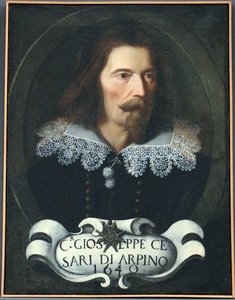
Giuseppe Cesari
1568 - 1640 , Italy
Quick Facts
- Artistic Movement Or Style: Mannerist
- Artists Or Movements Influenced By This Artist: ['Flemish Mannerism']
- Artists Who Influenced This Artist: ['Caravaggio']
- Date Of Birth: 1568
- Date Of Death: 1640
- Full Name: Giuseppe Cesari
- Nationality: Italian
- Notable Artworks: ["St. Peter's mosaics"]
- Place Of Birth: Arpino, Italy

