 Preview
 Send
Send Share
Share
 Details

 Download
 Similars
 X-Ray
X-Ray Diaporama
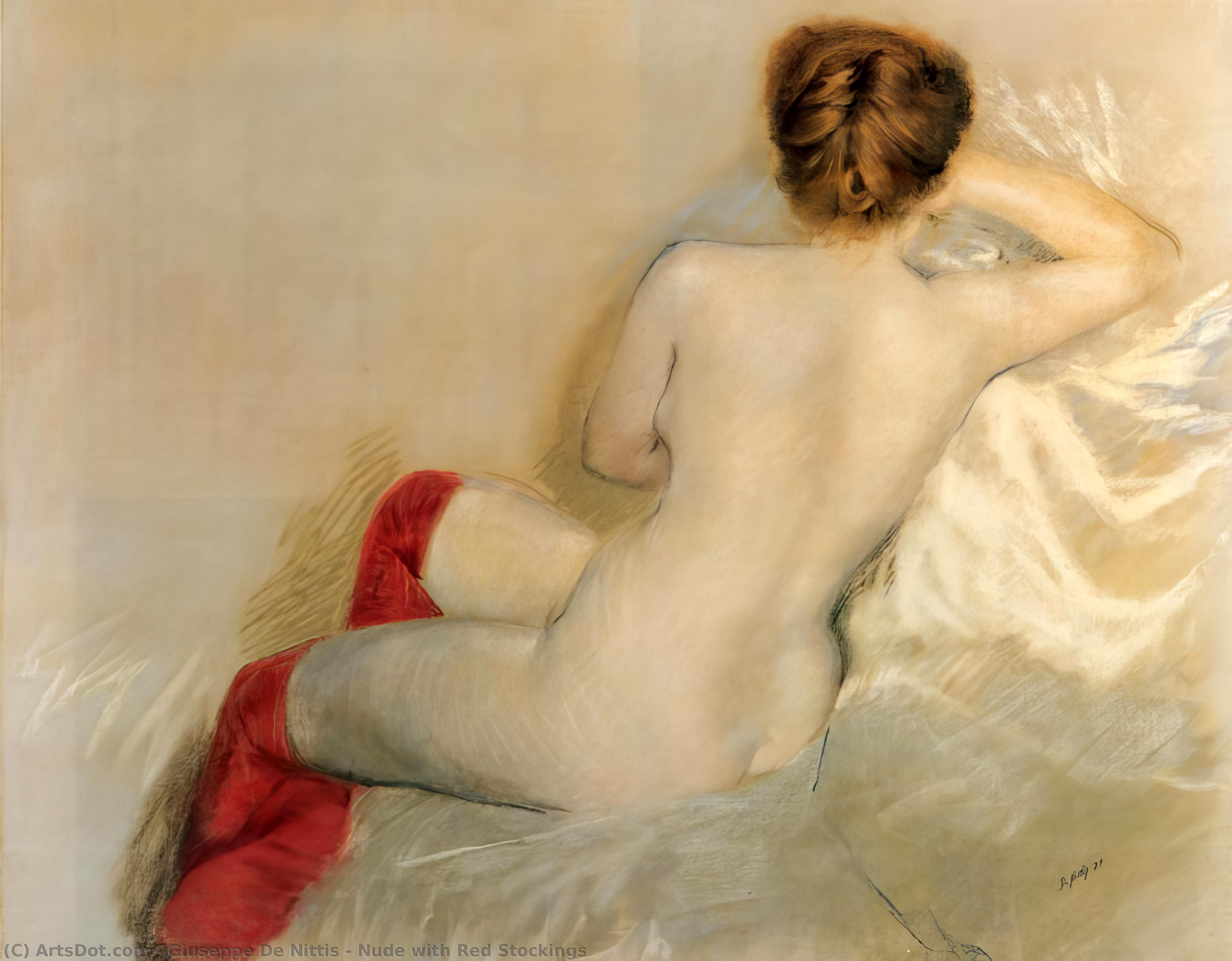
Nude with Red Stockings
 Pastel
- Impressionism
 1879
1879- 19th Century
 99.0 x 80.0 cm
 Read More
Hand Made Oil Reproduction
Hand-painted oil on canvas in your size and frame, made to order by our artists. ( Buy Print Buy Image)




P118B $10

P118H $10

P118W $10

P438Z $10

P508JH $12

P508YH $12

P805H $10

P805Z $10

P919BZ $10

P919G $10

P919XJ $10

P959ZH $10

P968JZ $12

W106C $8

W218G $10

W218JH $8

W218Y $10

W307PJ $10

W316G $10

W316PJ $8

W316Y $10

W398PJ $8

W4111J $10

W500HY $15

W500JH $15

W692G $12

W849H $8

W940BG $15

W953PJ $8




Pick from our preset sizes that match the artwork's original proportions.

You may enter your own dimensions to fit a specific frame or space. If your selected size does not match the original image's proportions, we will either crop the artwork or extend the painting with additional hand-painted elements. A digital mockup will be sent for your approval before production begins.
Please note that the on-screen preview does not reflect the actual cropping or extension. Only the mockup will accurately show the final composition.
While custom sizes are available, we recommend selecting a dimension from the predefined list to preserve the original proportions.
After order, ArtsDot.com team will email client for instructions and provide a mockup preview
Worldwide Delivery () in 3/4 weeks instead of standard 5 weeks. (16 August). No compromise on quality.

Free Worldwide Express Shipping

High-Quality Linen Canvas

Full Shipping Insurance

Customs Tax Refund Guarantee

True Color Matching Guarantee

60-Day Return Policy (Defects Only)

100% Money-Back Guarantee

Bulk Discount Offer
 Glass option is only available in size under 110 CM

Nude with Red Stockings
Reproduction Medium
Reproduction Size
-


Total Price
$ 263
Artwork Description
A Symphony of Pastel and Skin: The Allure of De Nittis
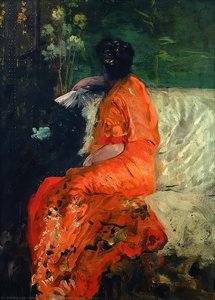
In the delicate interplay of light and shadow found within Giuseppe De Nittis’ 1879 masterpiece, "Nude with Red Stockings," one encounters a profound dialogue between the structured elegance of academic tradition and the fleeting, atmospheric whispers of Impressionism. This captivating pastel work invites the viewer into a private, quiet moment of repose, where the boundaries between the human form and its surroundings seem to dissolve into soft, creamy textures. The subject—a nude female figure reclining amidst a sea of white linens—is not merely a study in anatomy, but an exploration of intimacy and stillness. De Nostis masterfully utilizes the medium of pastel to create a surface that feels almost tactile, as if one could reach out and feel the warmth of the skin or the crispness of the bedsheets.
The composition is a triumph of balanced tension. While the figure lies in a state of complete relaxation, the artist introduces a singular, striking element of visual drama: the vibrant red stockings. This bold splash of color acts as a focal point that anchors the ethereal, pale tones of the rest of the piece, preventing the composition from drifting into pure abstraction. The way the crimson fabric contrasts against the ivory and cream layers of the bedding creates a rhythmic pulse within the frame, drawing the eye across the curves of the body and toward the subtle, thoughtful turn of the subject's head. It is this careful arrangement that transforms a simple scene of rest into a sophisticated narrative of contemplation.
Technique and the Impressionist Spirit
To observe "Nude with Red Stockings" is to witness De Nittis at the height of his technical prowess, blending the meticulousness of the Italian Salon style with the spontaneous energy of the French Impressionists. The technique is characterized by fluid, gestural strokes that prioritize the sensation of light over rigid anatomical precision. Through the skillful layering of pastel pigments, De Nittis achieves a sense of depth and volume; the shadows are not merely dark patches but are composed of subtle shifts in temperature and tone, suggesting an unseen, soft light source that bathes the scene in a gentle glow. This approach lends the artwork a dreamlike quality, where the edges of the figure softly merge with the surrounding textures of the bedclothes.
For the discerning collector or interior designer, this piece offers a unique versatility. Its palette—dominated by sophisticated neutrals and punctuated by that iconic red—allows it to serve as a profound statement piece in a variety of settings. In a modern, minimalist space, the artwork provides a much-needed organic warmth and historical depth. In a more classical or maximalist interior, its delicate textures and romantic subject matter can act as an elegant anchor, evoking a sense of timeless luxury. The painting does not merely decorate a wall; it commands the atmosphere of a room, inviting a sense of quiet introspection and sophisticated grace.
A Legacy of Sensuality and Grace
Beyond its aesthetic beauty, "Nude with Red Stockings" carries the weight of De Nittis’ historical significance. As an artist who bridged the gap between the formal rigor of his Italian roots and the revolutionary light-play of Paris, his work embodies a pivotal era in art history. The emotional impact of this piece lies in its vulnerability; there is no overt drama or heavy symbolism, only the raw, quiet beauty of a moment captured in time. It evokes a sense of peace, making it an ideal selection for spaces designed for relaxation and reflection.
Owning a high-quality reproduction of this work allows one to bring this exquisite fragment of 19th-century mastery into the contemporary home. Every stroke of the pastel, every subtle gradation of tone, is preserved to ensure that the original's evocative power—its ability to stir the soul through color and light—remains fully intact, offering a permanent window into the refined world of Giuseppe De Nittis.
Related Artworks

Artist Biography
The Luminescent Legacy of Giuseppe De Nittis
Giuseppe De Nittis stands as a pivotal figure in the tapestry of nineteenth-century art, a master whose brush possessed the rare ability to bridge the formal elegance of the academic Salon with the fleeting, vibrant spontaneity of Impressionism. Born on February 25, 1846, in the coastal city of Barletta, Italy, De Nittis was raised in an environment of burgeoning cultural wealth. His early artistic path was shaped by the rigorous tutelage of Giovanni Battista Calò, yet his spirit was far too restless for the confines of traditionalism. A notable moment of rebellion—his controversial expulsion from Naples’ Instituto di Belle Arti due to insubordination—served not as an end, but as a transformative catalyst. This early friction with authority ignited a lifelong determination to explore the boundaries of light and atmosphere, pushing him toward the revolutionary currents of his era.
Before conquering the streets of Paris, De Nittis found himself deeply immersed in the Macchiaioli movement. This group of Italian innovators sought to reject meticulous, photographic detail in favor of bold, expressive patches of color and light. Through his connections with luminaries such as Telemaco Signorini and Serganfibro de Tivoli, he honed a technique that prioritized the emotional weight of a scene over mere anatomical precision. His early participation in Florentine exhibitions cemented his reputation within the Italian avant-garde, establishing a foundation of stylistic courage that would later allow him to navigate the complex social and artistic hierarchies of France with unparalleled grace.
A Parisian Odyssey: Light, Life, and the Impressionist Circle
In 1867, De Nittis embarked on a journey that would redefine his destiny, relocating to Paris. This move was both a professional triumph and a strategic masterstroke; by securing a contract with the influential art dealer Adolphe Goupil, he gained access to the most sophisticated art market in the world. As he navigated the bustling boulevards of the French capital, De Nittis became more than just a spectator of modern life—he became its chronicler. His work began to capture the rhythmic pulse of an economically booming city, utilizing plein air techniques to document the rain-slicked streets and the sophisticated elegance of Parisian society.
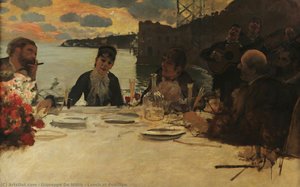
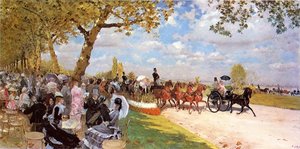
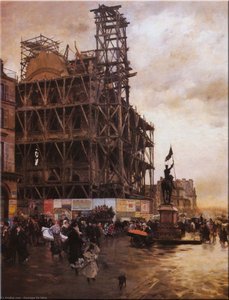
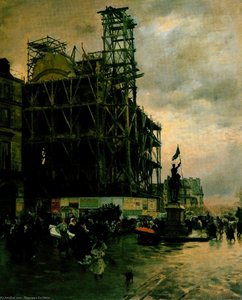
The artist’s social and professional orbit brought him into intimate contact with the giants of Impressionism. His friendships with Edgar Degas and Édouard Manet were not merely social, but deeply symbiotic, influencing his approach to composition and subject matter. While his Salon debut earned him widespread acclaim for his technical skill, it was his ability to infuse urban scenes with a sense of atmospheric movement that truly set him apart. Whether depicting the electric energy of The Place des Pyramides or the sun-drenched leisure of Lunch at Posillipo, De Nittis possessed an uncanny knack for capturing the ephemeral—the way light dances on a wet pavement or how shadows stretch across a crowded garden.
Mastery of Atmosphere and Enduring Significance
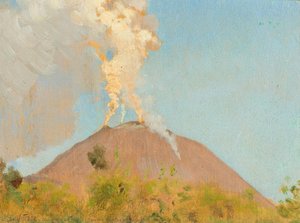
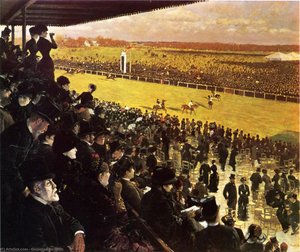
The breadth of De Nittis’ oeuvre reveals an artist of profound versatility. He was equally at home painting the dramatic, volcanic majesty of his native landscapes as he was capturing the high-society glamour of French horse racing. His Twelve Studies of Vesuvius remain breathtaking testaments to his ability to manipulate color and light to evoke the raw power of nature, while his depictions of the Races at Longchamps showcase his mastery of movement and social spectacle. Through his use of both oil and delicate pastels, he explored a spectrum of textures that allowed him to render everything from the heavy atmosphere of a storm to the soft, fleeting glow of a sunset.
Though his life was tragically short, ending in 1884, the historical significance of Giuseppe De Nittis remains undiminished. He acted as a vital cultural conduit, translating the revolutionary spirit of Italian landscape painting into the sophisticated language of French Impressionism. His work serves as a window into a vanished era of elegance and transformation, reminding us that true artistry lies in the ability to find the eternal within the momentary. Today, his legacy continues to inspire, standing as a testament to a life spent chasing the light.

Giuseppe De Nittis
1846 - 1884 , Italy
Quick Facts
- Artistic Movement Or Style: Salon art & Impressionism
- Artists Or Movements Influenced By This Artist:
- Impressionism
- Macchiaioli
- Artists Who Influenced This Artist:
- Telemaco Signorini
- Giovanni Boldini
- Date Of Birth: February 25, 1846
- Date Of Death: August 21, 1884
- Full Name: Giuseppe De Nittis
- Nationality: Italian
- Notable Artworks:
- Races at Auteuil
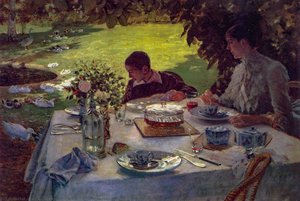
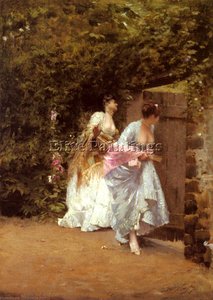
- Breakfast in the Garden
- Nude with Red Stockings
- Place Of Birth: Barletta, Italy
Related Articles

Goya's Masterpieces: Explore 25 Iconic Paintings & Art Prints | ArtsDot
Delve into the world of Francisco Goya with ArtsDot. Explore 25 iconic paintings – from 'The Third of May' to his haunting Black Paintings. Discover the stories, techniques & emotions behind these Spanish masterpieces. Find museum-quality art reproductions for your home at ArtsDot.com!

Demandes Commerciales
APS ofrece reproducciones de bellas artes y encargos personalizados desde 2004. Confían en nosotros corporaciones, hoteles y coleccionistas selectos para obras de arte de calidad museística, servicio discreto y soluciones artísticas completas. ¡Póngase en contacto con nosotros para obtener un presupuesto personalizado!

Crimson Threads of Narrative: Exploring Symbolism & Representation in Artworks Featuring the Red Dress
Explore the rich symbolism of the red dress in art history! From ancient power displays to iconic portraits like Cézanne’s 'Madame Cezanne', discover the cultural and artistic significance behind this captivating color. Expert analysis & insights.

A riguardo di noi
Découvrez notre histoire ! Nous apportons l'art de classe mondiale dans votre vie grâce à une sélection experte, des créations personnalisées et des aperçus gratuits. Approuvé par les particuliers et les entreprises depuis 2000.
Maurice Quentin de La Tour: Light, Shadow & the Rococo Portrait
Explore the captivating world of Maurice Quentin de La Tour, a master of Rococo portraiture. Discover his innovative pastel techniques, intimate depictions of French aristocracy, and lasting artistic legacy. Learn more at ArtsDot.