

 Preview
 Send
Send Share
Share
 Details

 Download
 Similars
 X-Ray
X-Ray Diaporama
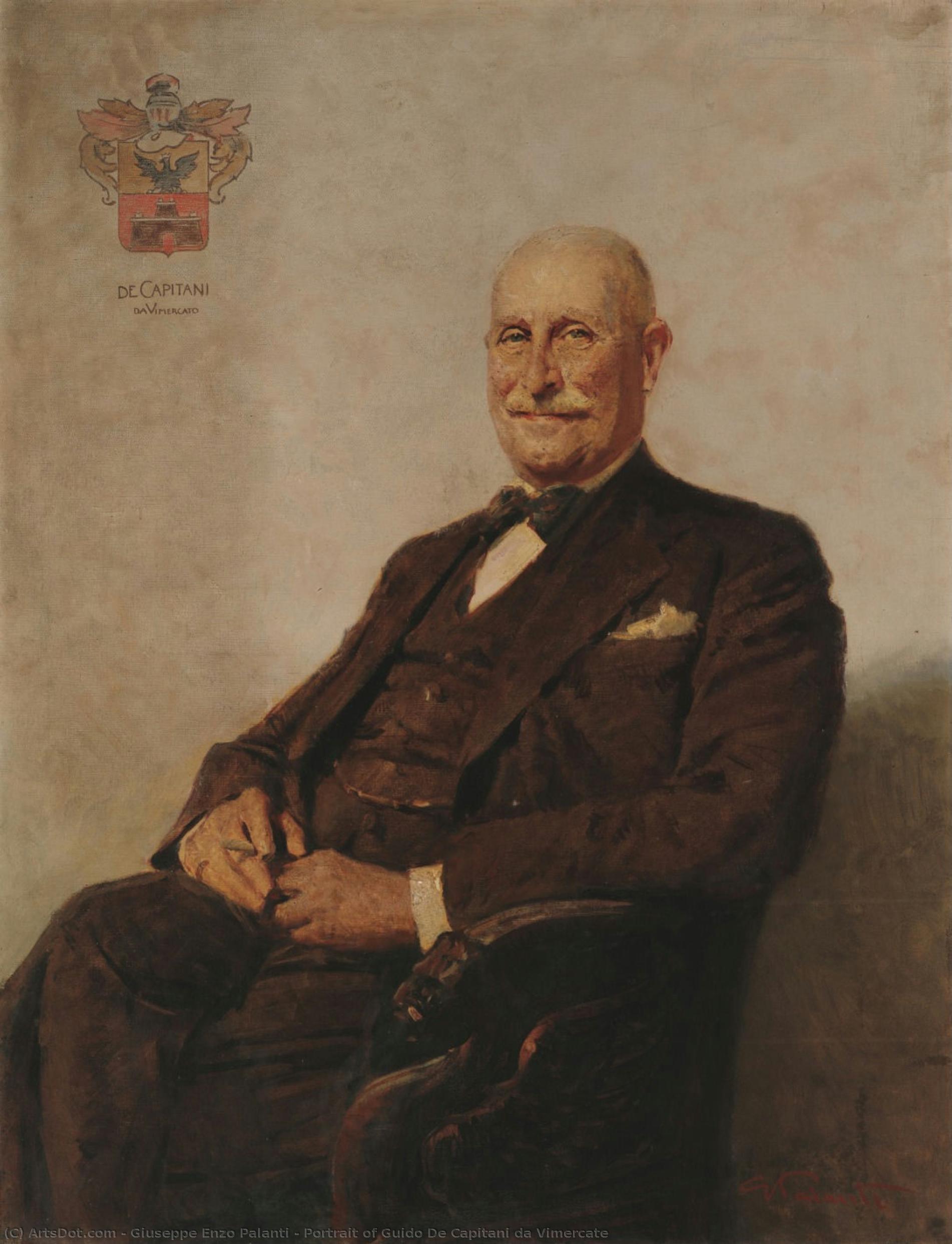
Portrait of Guido De Capitani da Vimercate


 Read More
Purchase a high-resolution, enhanced digital image, far superior to the online preview.
Each file is meticulously prepared by our in-house specialists using advanced tools and expert manual retouching. We ensure every image has exceptional clarity, precise color accuracy, and fine detail.
The final file is delivered via email within 72 hours, optimized for immediate use in professional, editorial, and print environments. This is the same quality trusted by top-tier design studios, publishers, and galleries.
Digital Image
Download a high-resolution file for personal display, printing, and creative projects. ( Buy Print Buy Hand Made Painting)
Included in Every Digital Image Order
Expert Digital Delivery, Guaranteed
When you choose ArtsDot.com, you're not just getting an image - you're receiving a professionally enhanced digital artwork, crafted with precision and backed by a satisfaction guarantee. Here's everything that comes with your order, automatically:

Fast Email Delivery
Your high-resolution digital image file will be emailed to you within 72 hours of ordering - ready for immediate use.

AI-Enhanced Digital File
Your artwork is professionally optimized using advanced AI tools and manual editing, ensuring maximum detail, clarity, and color accuracy.

Free Lifetime Re-Delivery
Accidentally deleted or lost your file? No worries - we'll resend it to you anytime, free of charge.

No Import Fees - Ever
Enjoy your artwork instantly with zero customs, duties, or delivery fees - digital downloads are always tax-free.

Color Accuracy Guarantee
We ensure your digital image reflects the original colors as closely as possible using professional tools and color management.

60-Day Satisfaction Guarantee
If you're not satisfied with your digital image, we'll revise it or refund 100% within 60 days - no questions asked.

100% Money-Back Guarantee
Not satisfied? Get a full refund within 60 days of receiving your digital file - no questions asked.

Bulk Order Discounts
Buy 3 images, save 10% - Buy 5, save 15% - Buy 10+, save 20%. Great for creative projects, galleries, and agencies.
Collectible Description
A Glimpse into the Soul of an Era
In the quiet, dignified presence of Giuseppe Enzo Palanti’s Portrait of Guido De Capitani da Vimercate, we encounter more than just a likeness; we enter a window into the social fabric of 1937. The painting captures a moment of profound stillness, presenting a man whose very posture speaks of a lineage defined by responsibility and heritage. As the subject sits with hands crossed, his gaze holds a certain sternness—a characteristic gravity that suggests a life shaped by the weight of tradition and the expectations of his station. This is not merely a depiction of an individual, but a masterful study of character, where every fold of his well-tailored suit and the subtle tension in his expression contribute to a narrative of quiet authority.
The composition utilizes a classic approach to portraiture, placing the subject in a position of dominance within the frame. While the man remains the undeniable focal point, Palanti subtly introduces secondary figures in the background, rendered with less detail and softer focus. This technique creates a sense of depth and environmental context, suggesting that while Guido is the protagonist of this visual story, he exists within a larger, bustling world of family and social connection. The interplay between the sharp, detailed presence of the sitter and the ethereal, receding figures in the background draws the viewer’s eye inward, forcing an intimate confrontation with the subject's resolute expression.
Mastery of Light and Oil Technique
Executed with the rich, tactile qualities of oil on canvas, the painting radiates a vintage warmth that is both nostalgic and timeless. Palanti demonstrates a sophisticated command over light and shadow, employing a chiaroscroll-inspired technique to sculpt the man's features. The light falls across his face and hands with a deliberate softness, highlighting the textures of skin and fabric while allowing deep, velvety shadows to anchor the composition. This mastery of tonal range lends the work a three-dimensional quality, making the subject feel palpably present within the room.
For the discerning collector or interior designer, this piece offers an unparalleled sense of historical elegance. The color palette, dominated by muted, earthy tones and the deep hues of formal attire, provides a sophisticated anchor for any high-end interior. Whether placed in a library, a study, or a grand hallway, the painting acts as a conversation piece that evokes the grandeur of the early 20th century. A high-quality reproduction of this work allows one to bring this atmosphere of classical prestige into a modern space, offering a touch of old-world soul and an enduring connection to the artistic mastery of the Italian tradition.
Related Artworks

Artist Biography
Pablo Picasso: A Revolutionary of Color and Form
Pablo Picasso, a name synonymous with artistic innovation and boundless creativity, remains one of the most recognizable and influential figures in the history of art. Born in Málaga, Spain, on October 25, 1881, into a family steeped in artistic tradition – his father, José Ruiz y Blasco, was a respected art teacher and curator – Picasso’s journey was marked by relentless experimentation, profound personal experiences, and an unwavering commitment to pushing the boundaries of visual expression. His life wasn't simply about painting; it was a vibrant tapestry woven with love, loss, political upheaval, and a constant dialogue with the world around him. From his early years grappling with formal training to his groundbreaking contributions to Cubism and beyond, Picasso’s legacy continues to inspire artists and captivate audiences worldwide.
Early Years and Artistic Foundations
Picasso's childhood in Málaga was a formative period, deeply influenced by the artistic atmosphere surrounding him. His father instilled in him a love for drawing from a young age, encouraging his son to observe and replicate the world around him with meticulous detail. The family’s frequent visits to the Museo de Bellas Artes de Málaga exposed Picasso to the works of Spanish masters like Velázquez and Goya, subtly shaping his artistic sensibilities. However, Picasso's formal training at the La Lloteria art school in Barcelona proved frustrating; he found the rigid curriculum stifling and yearned for a more expressive approach. Despite this initial resistance, he diligently completed his studies, developing a solid foundation in drawing and perspective – skills that would later serve as a springboard for his revolutionary techniques.
- Early Subjects: Picasso’s early works often depicted scenes from everyday life—bullfighting, flamenco dancers, and portraits of family members.
- The Blue Period (1901-1904): Following the death of his sister Conchita, Picasso entered a period of intense melancholy, reflected in his predominantly monochromatic paintings dominated by shades of blue. These works explored themes of poverty, loneliness, and loss with raw emotional intensity.
- The Rose Period (1904-1906): A shift occurred as Picasso moved to Paris and began associating with a vibrant circle of artists. The Rose Period saw the emergence of warmer colors—pinks, oranges, and reds—and subjects related to the circus and entertainment, offering a glimmer of optimism amidst his personal struggles.
The Birth of Cubism and Artistic Revolution
Picasso’s most significant contribution to the art world arrived with the development of Cubism in collaboration with Georges Braque around 1907. Frustrated by traditional representational painting, Picasso sought a new way to depict reality—not as a fixed image, but as a collection of fragmented viewpoints. This radical approach shattered conventional notions of perspective and spatial relationships, challenging viewers to actively engage with the artwork and reconstruct its meaning. Analytical Cubism, characterized by monochromatic palettes and dissected forms, paved the way for Synthetic Cubism, which incorporated collage elements and brighter colors.
- Les Demoiselles d’Avignon (1907): This iconic painting is widely considered the genesis of Cubism. Its distorted figures, angular planes, and unsettling gaze signaled a dramatic departure from traditional artistic conventions.
- The Influence of African Art: Picasso drew inspiration from the art of non-Western cultures, particularly African masks and sculptures, which informed his exploration of form, line, and symbolism.
- A Collaborative Effort: Picasso’s relationship with Braque was crucial to the development of Cubism; they engaged in a constant exchange of ideas and techniques, pushing each other towards new artistic frontiers.
Later Works and Enduring Legacy
Following his groundbreaking work in Cubism, Picasso continued to experiment with diverse styles and mediums throughout his long career. He explored Surrealist themes, revisited classical motifs, and engaged with political events—most notably, the horrors of World War II and the Spanish Civil War. His monumental painting *Guernica* (1937), a powerful indictment of war’s brutality, remains one of the most iconic images of the 20th century. Picasso's later years were marked by prolific output, encompassing ceramics, sculpture, printmaking, and stage design. He remained an active artist until his death in Mougins, France, on April 8, 1973, at the age of 91.
- Political Activism: Picasso was a staunch supporter of leftist causes and used his art as a vehicle for social commentary.
- Diverse Styles: Throughout his career, Picasso explored a wide range of styles—from Neoclassicism to Expressionism—demonstrating an unparalleled versatility and adaptability.
- A Lasting Influence: Picasso’s innovations in painting technique, composition, and subject matter continue to resonate with artists today, solidifying his position as one of the most important figures in modern art.
Picasso's Personal Life and Relationships
Beyond his artistic achievements, Picasso’s personal life was a complex and often turbulent affair. He had numerous relationships with women—Fernande Olivier, Dora Maar, Françoise Gilot, Marie-Thérèse Walter—each of whom profoundly influenced his work. These relationships were characterized by both passionate intensity and periods of conflict. His most enduring love story was with Dora Maar, a photographer who became his muse and lover for several years. Despite the challenges he faced in his personal life, Picasso remained fiercely independent and dedicated to his art until his final days.
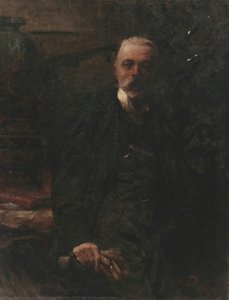
giuseppe enzo palanti
1881 - 1946 , Italy
Quick Facts
- Artistic Movement Or Style:
- Cubism
- Surrealism
- Artists Or Movements Influenced By This Artist:
- Braque
- Modernism
- Artists Who Influenced This Artist:
- Cézanne
- El Greco
- African art
- Date Of Birth: October 25, 1881
- Date Of Death: April 8, 1973
- Full Name: Pablo Diego José Francisco de Paula Juan Nepomuceno María de los Remedios Cipriano de la Santísima Trinidad Ruiz y Picasso
- Nationality: Spanish
- Notable Artworks:
- Guernica
- Les Demoiselles d’Avignon
- The Weeping Woman
- Place Of Birth: Málaga, Spain

