

 Preview
 Send
Send Share
Share
 Details

 Download
 Similars
 X-Ray
X-Ray Diaporama
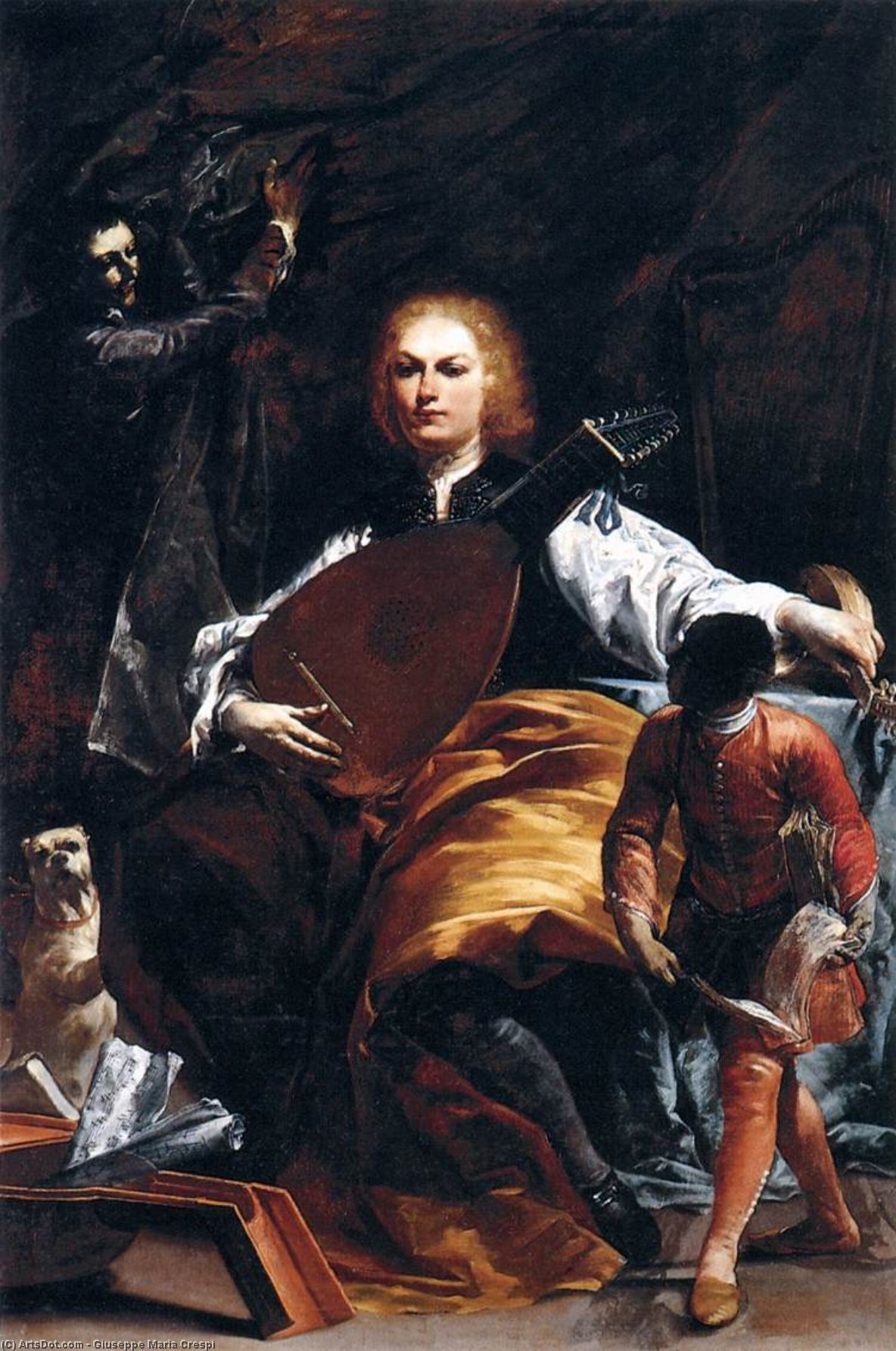
Count Fulvio Grati
 Oil On Canvas
- WallArt
- Baroque
 1700
1700 228.0 x 153.0 cm
 Museo Thyssen-Bornemisza
 Read More
Purchase a high-resolution, enhanced digital image, far superior to the online preview.
Each file is meticulously prepared by our in-house specialists using advanced tools and expert manual retouching. We ensure every image has exceptional clarity, precise color accuracy, and fine detail.
The final file is delivered via email within 72 hours, optimized for immediate use in professional, editorial, and print environments. This is the same quality trusted by top-tier design studios, publishers, and galleries.
Digital Image
Download a high-resolution file for personal display, printing, and creative projects. ( Buy Print Buy Hand Made Painting)
Included in Every Digital Image Order
Expert Digital Delivery, Guaranteed
When you choose ArtsDot.com, you're not just getting an image - you're receiving a professionally enhanced digital artwork, crafted with precision and backed by a satisfaction guarantee. Here's everything that comes with your order, automatically:

Fast Email Delivery
Your high-resolution digital image file will be emailed to you within 72 hours of ordering - ready for immediate use.

AI-Enhanced Digital File
Your artwork is professionally optimized using advanced AI tools and manual editing, ensuring maximum detail, clarity, and color accuracy.

Free Lifetime Re-Delivery
Accidentally deleted or lost your file? No worries - we'll resend it to you anytime, free of charge.

No Import Fees - Ever
Enjoy your artwork instantly with zero customs, duties, or delivery fees - digital downloads are always tax-free.

Color Accuracy Guarantee
We ensure your digital image reflects the original colors as closely as possible using professional tools and color management.

60-Day Satisfaction Guarantee
If you're not satisfied with your digital image, we'll revise it or refund 100% within 60 days - no questions asked.

100% Money-Back Guarantee
Not satisfied? Get a full refund within 60 days of receiving your digital file - no questions asked.

Bulk Order Discounts
Buy 3 images, save 10% - Buy 5, save 15% - Buy 10+, save 20%. Great for creative projects, galleries, and agencies.
Collectible Description
Giuseppe Maria Crespi’s “Count Fulvio Grati”: A Window into Bolognese Life
Giuseppe Maria Crespi, affectionately known as “Lo Spagnuolo,” remains one of the most enigmatic and captivating figures in 17th-century Italian art. Born in Bologna in 1665, his life was a tapestry woven with unconventional choices – from his adopted Spanish attire to his deliberate rejection of the Roman artistic establishment – ultimately forging a unique path as a genre painter that offered an unprecedentedly intimate glimpse into everyday life. Crespi’s “Count Fulvio Grati,” painted around 1700-1720, exemplifies this distinctive approach, presenting not a grand historical scene or pious religious depiction, but rather a remarkably candid portrait of a Bolognese nobleman engaged in leisure activities – a testament to his revolutionary vision. The painting isn't merely a likeness; it’s a carefully constructed tableau designed to reveal the sitter’s character and social standing through subtle details and engaging composition.A Revolutionary Approach: Genre Painting and the Everyday
Prior to Crespi, portraiture in Italy largely adhered to established conventions – formal poses, elaborate costumes, and symbolic gestures intended to convey status and virtue. Crespi, however, shattered these traditions. He eschewed the idealized representations favored by his contemporaries, opting instead for a realism that was both observant and subtly theatrical. “Count Fulvio Grati” is a prime example of this shift. The Count isn’t presented in a static pose; he's actively involved in a scene – playing the lute, accompanied by a servant holding sheet music and a small dog. This engagement invites us into his world, suggesting a life filled with intellectual pursuits and social connections. Crespi’s genius lay in capturing not just outward appearances but also the nuances of human interaction and the subtle details that defined individual character. He was particularly interested in portraying common people, and this is evident in the inclusion of servants and musicians within the scene.Technique and Composition: Light, Shadow, and Detail
Crespi’s technical skill is immediately apparent in “Count Fulvio Grati.” The painting is dominated by a dramatic chiaroscuro – a masterful manipulation of light and shadow that sculpts the figures and creates a sense of depth and drama. The Count's form is sharply defined against the darker background, drawing our attention to his face and posture. Notice how Crespi uses loose brushstrokes, eschewing the smooth, polished surfaces favored by many of his contemporaries. This technique lends a sense of immediacy and spontaneity to the scene, as if we’ve stumbled upon a fleeting moment captured in paint. The inclusion of small details – the lute case, the sheet music, the dog – adds layers of visual interest and reinforces the painting's realism. The composition itself is carefully balanced, with the Count positioned centrally while the supporting figures frame him within a dynamic yet controlled space.Symbolism and Social Commentary
Beyond its technical brilliance, “Count Fulvio Grati” offers subtle clues about Bolognese society at the time. The lute, a symbol of musical refinement, suggests the Count’s intellectual interests. The servant holding sheet music hints at his patronage of the arts. Even the dog, often associated with loyalty and companionship, adds to the portrait's warmth and charm. Some scholars have suggested that Crespi deliberately included elements of caricature – subtle distortions of features or poses – to subtly critique social hierarchies and expose the pretensions of the upper classes. The Count’s relaxed posture and engaged expression suggest a man comfortable in his own skin, perhaps even challenging conventional notions of aristocratic decorum.A Timeless Portrait: Emotional Resonance and Artistic Legacy
“Count Fulvio Grati” is more than just a portrait; it's a captivating snapshot of a bygone era. Crespi’s ability to capture the essence of his subject – his character, his social standing, and his inner life – resonates powerfully with viewers today. The painting’s immediacy and intimacy invite us to connect with the Count on a human level, fostering a sense of empathy and understanding. It is a testament to Crespi's revolutionary approach to genre painting, securing his place as one of the most important artists of the Bolognese Baroque and offering a unique window into the vibrant social and cultural landscape of 17th-century Italy.Related Artworks
Artist Biography
A Bolognese Original: The Life and Art of Giuseppe Maria Crespi
Giuseppe Maria Crespi, affectionately known as “Lo Spagnuolo” – the Spaniard – was a captivating anomaly within the Italian Baroque landscape. Born in Bologna in 1665, his nickname stemmed not from ancestry but from a penchant for the tightly fitted clothing fashionable in Spain at the time, a sartorial choice that hinted at the independent spirit simmering beneath the surface of this remarkable artist. Crespi’s journey began with a traditional apprenticeship, first under Angelo Michele Toni and then Domenico Maria Canuti, absorbing the foundational techniques of Bolognese painting. However, he resisted the pull of Rome when invited by Carlo Maratti, choosing instead to forge his own path, one that would ultimately redefine genre painting and offer a strikingly intimate glimpse into everyday life.Breaking with Tradition: A New Vision Emerges
Crespi’s artistic output was remarkably diverse, encompassing religious paintings, portraits, and etchings inspired by masters like Rembrandt and Salvator Rosa. Yet, it is for his genre scenes – depictions of ordinary people engaged in commonplace activities – that he is most celebrated today. This focus represented a significant departure from the prevailing academic traditions which favored historical or mythological subjects. He wasn’t interested in grand narratives or idealized forms; instead, Crespi turned his attention to the lives unfolding around him—women washing dishes, families sharing meals, children at play. These weren't merely representations of daily life but imbued with a psychological depth and realism previously unseen. His style was characterized by a deliberate restraint in color and brushwork, employing a limited palette with judicious skill, though some critics noted a lack of robust physicality in his application. This subtlety, however, served to heighten the emotional impact of his scenes, drawing viewers into the quiet dramas of domestic existence.The Seven Sacraments and Lasting Influence
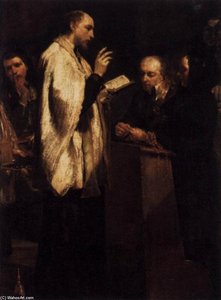
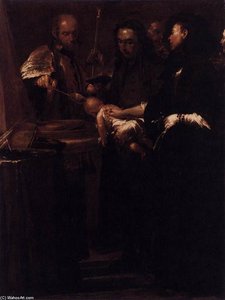
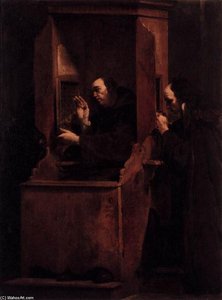
While his genre paintings secured his lasting fame, Crespi’s broader artistic achievements shouldn't be overlooked. A pivotal work is *The Seven Sacraments*, a series of canvases painted around 1712 for Cardinal Ottoboni. This ambitious project demonstrated Crespi’s ability to tackle complex religious themes with an innovative approach. Rather than depicting biblical events in a distant, historical setting, he placed them within the context of his own time, featuring contemporary figures and locales. The result was a series that felt both deeply spiritual and profoundly human. His influence extended beyond Italy; he mentored artists like Giovanni Battista Piazzetta and Pietro Longhi, who carried forward his commitment to realism and genre painting in Venice. Though he became increasingly reclusive later in life, dedicating himself primarily to religious works after the death of his wife in 1722, Crespi’s legacy as a groundbreaking artist remained secure. He was even granted a knighthood by Pope Benedict XIV in 1740, a testament to his artistic standing and cultural significance.A Legacy of Realism and Intimacy
Giuseppe Maria Crespi died in Bologna in 1747, leaving behind a body of work that continues to resonate with viewers today. He was a master observer of human nature, capable of capturing the subtle nuances of emotion and experience with remarkable sensitivity. His paintings are not merely historical artifacts; they are windows into the lives of ordinary people, offering a timeless glimpse into the universal themes of love, loss, faith, and everyday existence. Lo Spagnuolo's contribution to Italian art lies in his ability to elevate the mundane to the level of artistic significance, proving that beauty and meaning can be found not only in grand narratives but also in the quiet moments of daily life. His work remains a powerful reminder of the enduring human capacity for resilience, connection, and grace.Exploring Crespi’s World Today
Fortunately, opportunities to experience Crespi's artistry firsthand are plentiful. His works can be found in prominent museums such as the Gemäldegalerie Alte Meister in Dresden, which houses *The Seven Sacraments*, and the Museo dell'Opera di Santa Croce in Florence. Numerous reproductions of his paintings are available, allowing art enthusiasts to bring a piece of this Bolognese master’s vision into their own homes. Resources like ArtsDot.com and ArtsDot.com offer high-quality hand-painted reproductions, ensuring that Crespi’s legacy continues to inspire and captivate audiences for generations to come. Further research can be found on Wikipedia and Britannica providing detailed accounts of his life and artistic development.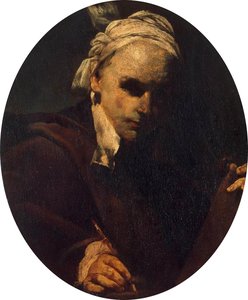
Giuseppe Maria Crespi
1665 - 1747 , Italy
Quick Facts
- Artistic Movement Or Style: Late Baroque
- Artists Or Movements Influenced By This Artist:
- Pietro Longhi
- G. B. Piazzetta
- Artists Who Influenced This Artist:
- Angelo Michele Toni
- Domenico Maria Canuti
- Date Of Birth: March 14, 1665
- Date Of Death: July 16, 1747
- Full Name: Giuseppe Maria Crespi
- Nationality: Italian
- Notable Artworks:
- Seven Sacraments
- Santa Maria Maddalena penitente
- Confession
- Woman Washing Dishes
- Place Of Birth: Bologna, Italy

