


 Preview
 Send
Send Share
Share
 Details

 Download
 Similars
 X-Ray
X-Ray Diaporama
Grand Hotel Campo dei Fiori


 Read More
Purchase a high-resolution, enhanced digital image, far superior to the online preview.
Each file is meticulously prepared by our in-house specialists using advanced tools and expert manual retouching. We ensure every image has exceptional clarity, precise color accuracy, and fine detail.
The final file is delivered via email within 72 hours, optimized for immediate use in professional, editorial, and print environments. This is the same quality trusted by top-tier design studios, publishers, and galleries.
Digital Image
Download a high-resolution file for personal display, printing, and creative projects. ( Buy Print Buy Hand Made Painting)
Included in Every Digital Image Order
Expert Digital Delivery, Guaranteed
When you choose ArtsDot.com, you're not just getting an image - you're receiving a professionally enhanced digital artwork, crafted with precision and backed by a satisfaction guarantee. Here's everything that comes with your order, automatically:

Fast Email Delivery
Your high-resolution digital image file will be emailed to you within 72 hours of ordering - ready for immediate use.

AI-Enhanced Digital File
Your artwork is professionally optimized using advanced AI tools and manual editing, ensuring maximum detail, clarity, and color accuracy.

Free Lifetime Re-Delivery
Accidentally deleted or lost your file? No worries - we'll resend it to you anytime, free of charge.

No Import Fees - Ever
Enjoy your artwork instantly with zero customs, duties, or delivery fees - digital downloads are always tax-free.

Color Accuracy Guarantee
We ensure your digital image reflects the original colors as closely as possible using professional tools and color management.

60-Day Satisfaction Guarantee
If you're not satisfied with your digital image, we'll revise it or refund 100% within 60 days - no questions asked.

100% Money-Back Guarantee
Not satisfied? Get a full refund within 60 days of receiving your digital file - no questions asked.

Bulk Order Discounts
Buy 3 images, save 10% - Buy 5, save 15% - Buy 10+, save 20%. Great for creative projects, galleries, and agencies.
Collectible Description
Related Artworks

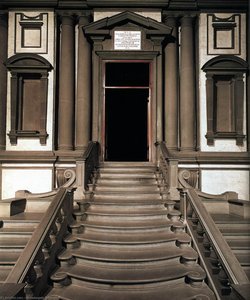
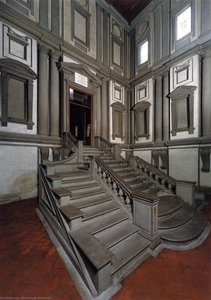
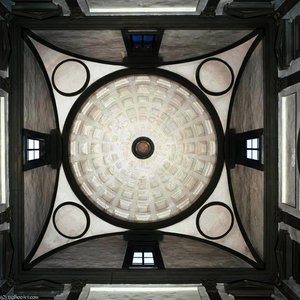
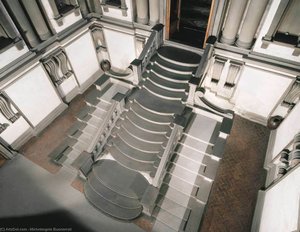
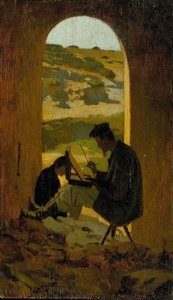
Artist Biography
The Architect of Elegance: The Legacy of Giuseppe Sommaruga
In the vibrant, transformative era of the early twentieth century, few figures captured the spirit of Italian modernity as profoundly as Giuseppe Sommaruga. A pioneer of the Liberty style—the Italian iteration of Art Nouveau—Sommaruga did not merely design buildings; he sculpted environments that breathed with organic vitality. Born in Milan in 1867, his life and work became a bridge between the rigid traditions of the past and the fluid, experimental energy of a new century. His architectural language was one of movement, where stone and iron seemed to mimic the sinuous curves of vines and the delicate strength of floral motifs, creating a sense of living architecture that continues to enchant observers today.
Sommaruga’s artistic journey was deeply rooted in the prestigious academic traditions of Milan. His formative years at the Brera Academy provided him with a rigorous foundation in classical principles, yet it was his exposure to mentors such as Camillo Boito and Luca Beltrami that truly ignited his creative spirit. These masters instilled in him a humanist approach to design, teaching him to respect historical continuity while encouraging the pursuit of innovation. This unique duality allowed Sommaruga to master the technical complexities of structural engineering while infusing his projects with a poetic, almost rhythmic, ornamentation that would become his signature.
A Symphony of Stone and Iron
The true brilliance of Sommaruga lies in his ability to harmonize monumental scale with intricate, delicate detail. His work often serves as a testament to the Liberty style's obsession with nature and craftsmanship. When wandering through his architectural masterpieces, one does not simply see walls and roofs, but rather an integrated ecosystem of art. He utilized materials like wrought iron and sculpted stone to create textures that felt both opulent and organic, ensuring that every facade told a story of elegance and progress.
Among his most celebrated achievements are structures that stand as icons of Italian architectural heritage:
- The Grand Hotel Campo dei Fiori: A breathtaking masterpiece located near Varese, this hotel exemplifies Sommaruga’s ability to command a large-scale project through the use of intricate ironwork and luxurious Art Nouveau details. It remains a hauntingly beautiful symbol of an era defined by grandeur.
- Villa Romeo Faccanoni: Located in Milan, this villa serves as a jewel of residential design. Here, Sommaruga’s mastery is evident in the seamless integration of sculptural elements and vegetal motifs, often featuring works that complement the architectural flow.
- Palazzo Castiglioni: A cornerstone of Milanese urban architecture, this palace showcases his ability to bring the avant-garde into the heart of the city, blending structural boldness with the sophisticated aesthetics of the burgeoning middle class.
Historical Significance and Enduring Influence
As the twentieth century progressed, Sommaruga’s influence began to ripple through the evolving landscape of Italian design. While his primary devotion remained with the flowing lines of Art Nouveau, his work possessed a structural dynamism that resonated with the early stirrings of Futurism. He understood that architecture was not a static entity but a medium capable of reflecting the rapid industrial and social shifts of his time. By blending the organic with the industrial, he prepared the architectural stage for the more radical movements that would follow.
Though his life was tragically cut short in 1917, the imprint left by Giuseppe Sommaruga remains indelible. His buildings are not merely relics of a bygone era; they are enduring monuments to a period of intense creativity and optimism. To study Sommaruga is to witness the moment when Italian architecture broke free from historical imitation to embrace a modern, soulful identity—a legacy that continues to inspire architects and art historians to find beauty in the intersection of nature and human ingenuity.
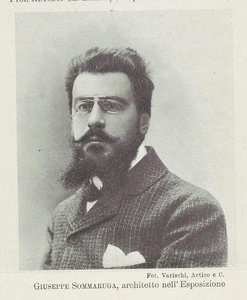
Giuseppe Sommaruga
1867 - 1917 , Italy
Quick Facts
- Artistic Movement Or Style: Liberty Style / Art Nouveau
- Artists Or Movements Influenced By This Artist: ["Antonio Sant'elia"]
- Artists Who Influenced This Artist:
- Camillo Boito
- Luca Beltrami
- Date Of Birth: Milan, Italy (1867)
- Date Of Death: Milan, Italy (1917)
- Full Name: Giuseppe Sommaruga
- Nationality: Italian
- Notable Artworks:
- Grand Hotel Campo dei Fiori
- Castiglioni Palace
- Villa Romeo Faccanoni
- Place Of Birth: Milan

