 Preview
 Send
Send Share
Share
 Details

 Download
 Similars
 X-Ray
X-Ray Diaporama
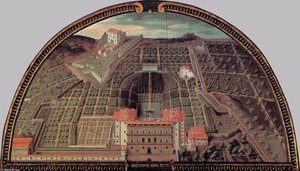
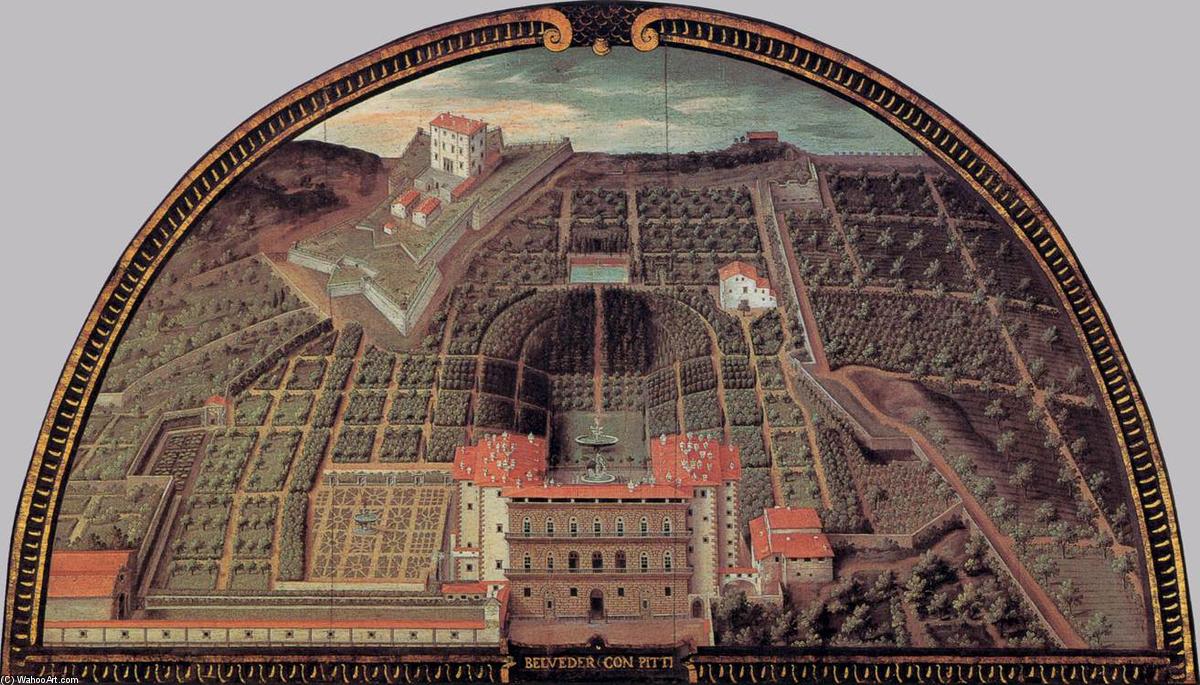
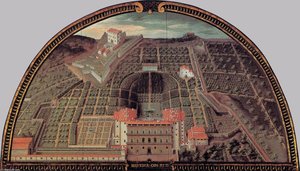
Palazzo Pitti and the Forte Belvedere


 Read More
Hand Made Oil Reproduction
Hand-painted oil on canvas in your size and frame, made to order by our artists. ( Buy Print Buy Image)




































Pick from our preset sizes that match the artwork's original proportions.

You may enter your own dimensions to fit a specific frame or space. If your selected size does not match the original image's proportions, we will either crop the artwork or extend the painting with additional hand-painted elements. A digital mockup will be sent for your approval before production begins.
Please note that the on-screen preview does not reflect the actual cropping or extension. Only the mockup will accurately show the final composition.
While custom sizes are available, we recommend selecting a dimension from the predefined list to preserve the original proportions.
After order, ArtsDot.com team will email client for instructions and provide a mockup preview
Worldwide Delivery () in 3/4 weeks instead of standard 5 weeks. (27 August). No compromise on quality.

Free Worldwide Express Shipping

High-Quality Linen Canvas

Full Shipping Insurance

Customs Tax Refund Guarantee

True Color Matching Guarantee

60-Day Return Policy (Defects Only)

100% Money-Back Guarantee

Bulk Discount Offer
 Glass option is only available in size under 110 CM

Palazzo Pitti and the Forte Belvedere
Reproduction Medium
Reproduction Size
-


Total Price
$ 263
Related Artworks
Artist Biography
Giusto Utens: Painter of Tuscan Dreams
Giusto Utens, a name perhaps less familiar than those of his Florentine contemporaries, nevertheless holds a unique and captivating place in the history of Italian art. Born likely in Brussels around 1580, and passing away in Carrara in 1609, Utens’s legacy rests primarily on a remarkable series of paintings – lunettes, to be precise – that offered a breathtakingly innovative perspective on the Medici villas scattered across Tuscany. These weren't mere architectural renderings; they were meticulously crafted bird’s-eye views, capturing the grandeur and strategic beauty of these estates for the ambitious Grand Duke Ferdinando I.
Utens’s early life remains somewhat shrouded in mystery, a common fate for artists working within the complex patronage systems of the era. He arrived in Carrara around 1580, marrying there and ultimately finding his final resting place. This location is significant, as Carrara was not only a center for marble production – essential to the Medici’s architectural ambitions – but also a region known for its skilled artisans. It's plausible that Utens honed his skills within this environment of artistic excellence, absorbing techniques and influences from fellow Flemish painters who had established themselves in Italy.
The Lunettes: A Revolutionary Approach
What distinguishes Utens’s work is undoubtedly the innovative approach he brought to depicting these villas. Rather than traditional elevations or detailed floor plans, he created a series of lunettes – semicircular paintings designed to be installed along the ceilings of grand halls – that presented a sweeping, almost aerial view of each estate. This technique was groundbreaking for its time, drawing inspiration from the cartographic practices prevalent within the Medici court. These maps, meticulously documenting the region’s landscape and resources, provided Utens with a crucial framework for his compositions.
The process itself involved a careful blend of artistic skill and technical expertise. Surveyors and mapmakers were employed to accurately measure the villas and their surroundings, providing Utens with precise coordinates and spatial relationships. This data was then translated into a visually compelling narrative – a carefully orchestrated panorama that showcased the villas’ strategic location, their harmonious integration within the Tuscan landscape, and the overall power and wealth of the Medici dynasty. The resulting images weren't simply representations; they were statements of authority, projecting an image of control and prosperity.
A Portfolio of Villas
The fourteen surviving lunettes offer a remarkable glimpse into the diverse range of Medici estates. Each painting captures a unique aspect of these properties – from the sprawling gardens of Villa Medicea di Cafaggiolo to the strategic hilltop location of Palazzo Pitti and Fort Belvedere, and the elegant beauty of Villa Petraia. The series includes villas like Villa di Pratolino, Villa Medicea L’Ambrogiana, Villa di Lappeggi, Villa di Poggio a Caiano, Villa di Serravezza, Villa La Magia, Villa di Montevettolini and Villa di Colle Salvetti – each rendered with Utens' distinctive aerial perspective. The missing lunettes—thought to be those depicting the Villa di Artimino and perhaps Villa Medici di Careggi—highlight the ambition of this project, intended to provide a comprehensive visual record of the Grand Duke’s vast holdings.
Interestingly, the completion of the scheme was undertaken by an anonymous artist in the early 20th century, utilizing eighteenth-century vedute (views) depicting villas at Careggi, Cerreto Guidi and Villa del Poggio Imperiale. This demonstrates the enduring appeal of Utens’s vision – a desire to capture the beauty and strategic importance of these estates from a unique vantage point.
Legacy and Significance
Giusto Utens's contribution to art history is often understated, overshadowed by the more celebrated figures of his time. However, his lunettes represent a pivotal moment in the development of landscape painting – a shift towards a more dynamic and evocative approach that anticipated later developments in aerial perspective and topographical representation. His work serves as a testament to the power of patronage, demonstrating how artistic commissions could drive innovation and shape our understanding of both architecture and landscape.
Today, fourteen of Utens’s paintings are housed at the Villa Petraia, offering visitors a rare opportunity to experience firsthand the breathtaking beauty and innovative vision of this largely forgotten Flemish painter. His legacy continues to inspire artists and art historians alike, reminding us that even within the grand narratives of Renaissance Italy, there are countless stories waiting to be discovered.
giusto utens
1609
Quick Facts
- Artistic Movement Or Style: Bird's-eye view
- Date Of Death: 1609
- Full Name: Giusto Utens
- Nationality: Flemish
- Notable Artworks: ['Medici Villas Lunettes']
- Place Of Birth: Brussels, Belgium