 Preview
 Send
Send Share
Share
 Details

 Download
 Similars
 X-Ray
X-Ray Diaporama
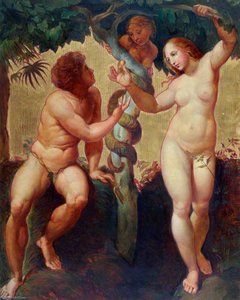
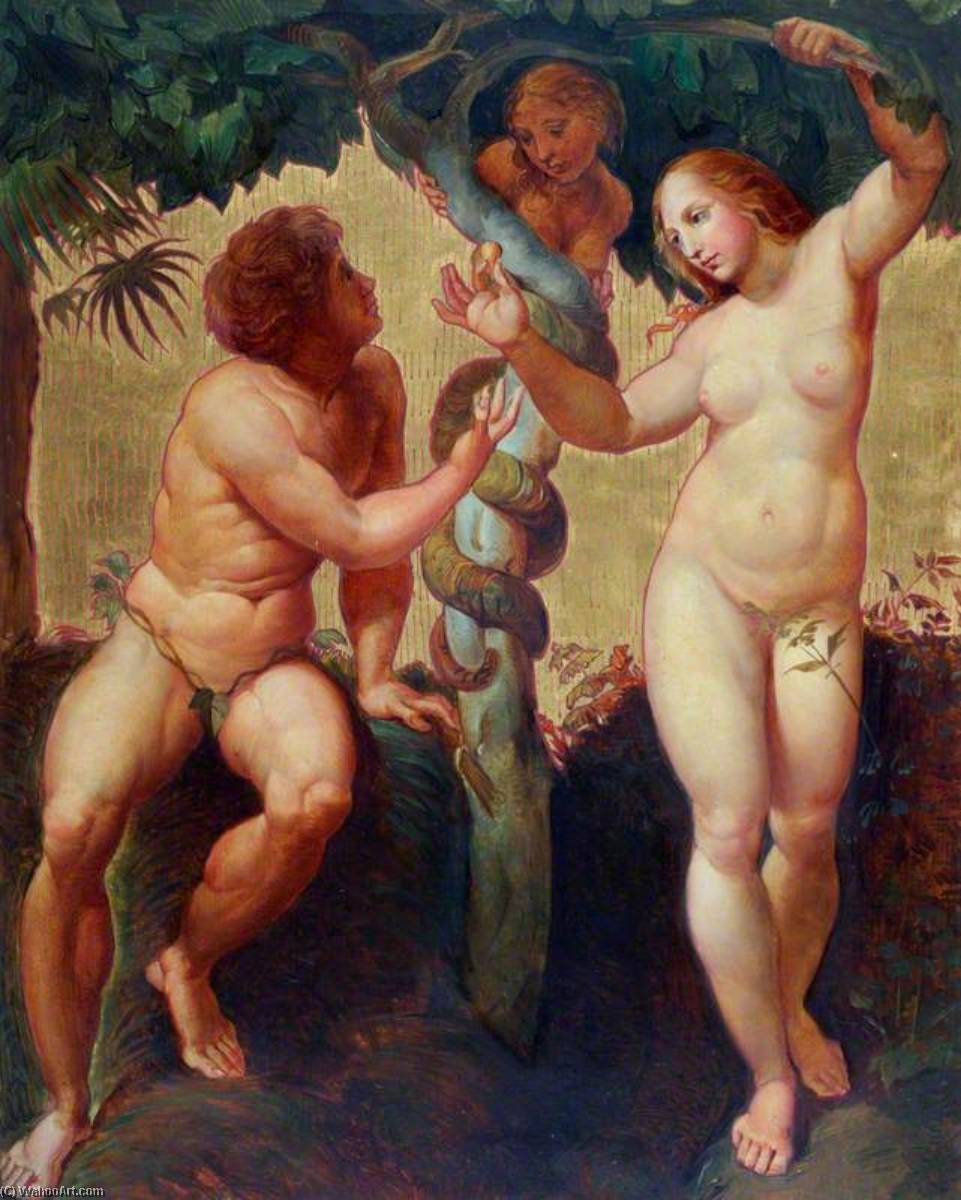
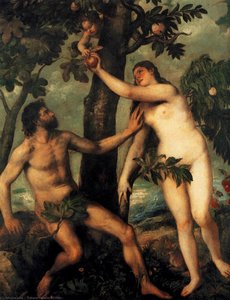
The Fall of Man (after Raphael)
 47.0 x 37.0 cm
 Read More
Hand Made Oil Reproduction
Hand-painted oil on canvas in your size and frame, made to order by our artists. ( Buy Print Buy Image)




































Pick from our preset sizes that match the artwork's original proportions.

You may enter your own dimensions to fit a specific frame or space. If your selected size does not match the original image's proportions, we will either crop the artwork or extend the painting with additional hand-painted elements. A digital mockup will be sent for your approval before production begins.
Please note that the on-screen preview does not reflect the actual cropping or extension. Only the mockup will accurately show the final composition.
While custom sizes are available, we recommend selecting a dimension from the predefined list to preserve the original proportions.
After order, ArtsDot.com team will email client for instructions and provide a mockup preview
Worldwide Delivery () in 3/4 weeks instead of standard 5 weeks. (16 August). No compromise on quality.

Free Worldwide Express Shipping

High-Quality Linen Canvas

Full Shipping Insurance

Customs Tax Refund Guarantee

True Color Matching Guarantee

60-Day Return Policy (Defects Only)

100% Money-Back Guarantee

Bulk Discount Offer
 Glass option is only available in size under 110 CM

The Fall of Man (after Raphael)
Reproduction Medium
Reproduction Size
-


Total Price
$ 263
Related Artworks
Artist Biography
The Industrial Soul and Classical Grace
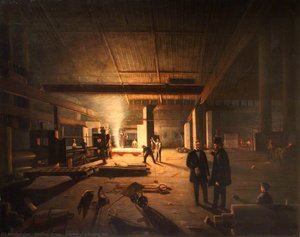
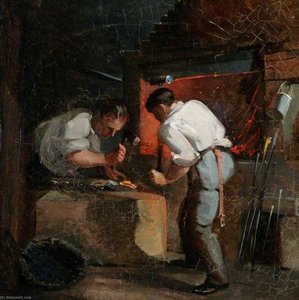
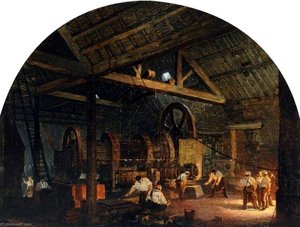
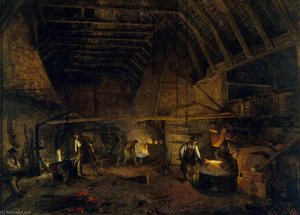
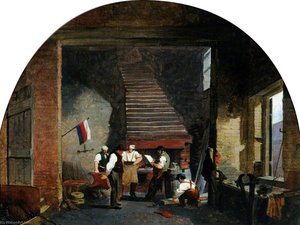
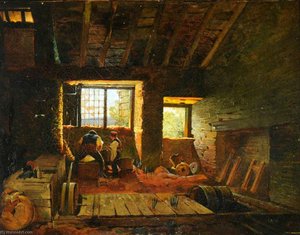
Godfrey Sykes emerged from the heart of Yorkshire as a figure who could bridge the gap between the soot-stained reality of industrial England and the ethereal elegance of the Renaissance. Born in Malton in 1824, his early life was steeped in the rigorous discipline of craftsmanship. Through his apprenticeship under the renowned engraver James Bell, Sykes developed a meticulous eye for detail that would become the hallmark of his diverse career as a designer, metalworker, sculptor, and painter. In those formative years within Sheffield, his brush first captured the raw, unvarnished truth of the industrial landscape—the rhythmic clang of blacksmith shops and the heavy, atmospheric presence of rolling mills. This early period of documentation provided him with a foundational understanding of texture and light that would later inform his more ambitious, decorative pursuits.A Renaissance Awakening
The trajectory of Sykes’s artistry underwent a profound transformation through an intellectual partnership that would redefine much of Victorian decorative art. The arrival of Alfred Stevens in Sheffield in 1850 acted as a catalyst, sparking a shared fascination with the pursuit of harmonious proportions and idealized beauty. Together, they embraced the Renaissance Revival movement, a stylistic shift that moved Sykes away from pure industrial realism toward a more sophisticated, classical aesthetic. As the chief designer for the ironfounders at Hoole & Co., he achieved a remarkable synthesis of heavy material and delicate ornament, executing monumental commissions that showcased his mastery of form:- The striking frieze created for the Mechanics Institute in 1853, which demonstrated his ability to translate classical motifs into tangible, structural art.
- The breathtaking ceiling fresco for the Telegraphic Building in 1856, an achievement that highlighted his skill in large-scale decorative painting.
- The creation of intricate terracotta sculptures and metalwork that brought a sense of historical grandeur to the burgeoning industrial architecture of the era.
The Enduring Legacy of a Victorian Visionary
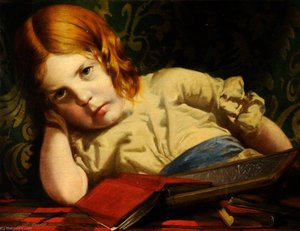
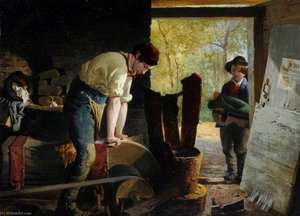
Though his life was tragically short, ending in London in 1866 at the age of only forty-one, the breadth of Sykes’s contribution remains etched into the very fabric of Victorian design. His ability to navigate between the Romanticism of his portraits and the Realism of his industrial scenes allowed him to capture the dual spirit of his age—the tension between progress and tradition. Whether through the melancholic introspection found in works like 'The Pet in a Pet' or the evocative, impasto-rich depiction of daily labor in 'Grinder’s Hull', Sykes left behind a body of work that celebrates both the strength of human toil and the timeless allure of classical perfection. His legacy continues to resonate through the halls of institutions like the V&A Museum, where his decorative innovations remain a testament to an artist who saw the divine potential within the industrial machine.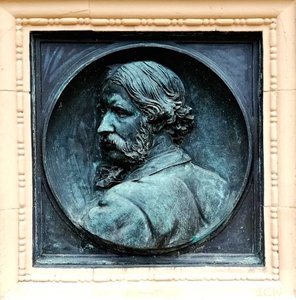
Godfrey Sykes
1824 - 1866
Quick Facts
- Artistic Movement Or Style: Renaissance Revival
- Artists Or Movements Influenced By This Artist: ['Raphael']
- Artists Who Influenced This Artist: ['Alfred Stevens']
- Date Of Birth: 1824
- Date Of Death: 1866
- Full Name: Godfrey Sykes
- Nationality: English
- Notable Artworks:
- Lunch Time
- The Three Fates
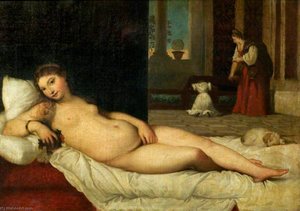
- Venus of Urbino (after Titian)
- Place Of Birth: Malton, North Yorkshire