 Preview
 Send
Send Share
Share
 Details

 Download
 Similars
 X-Ray
X-Ray Diaporama
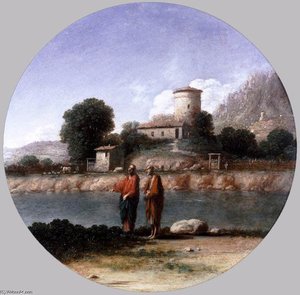
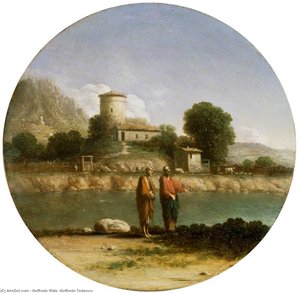
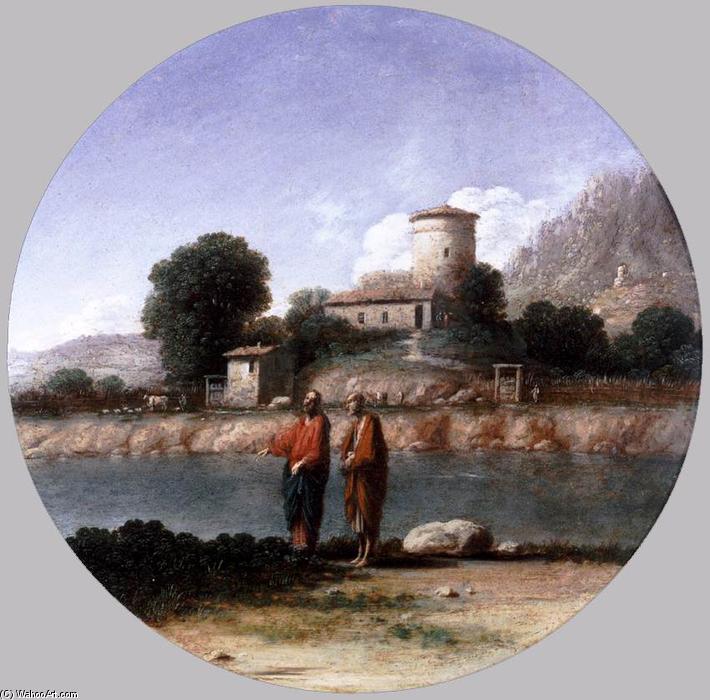
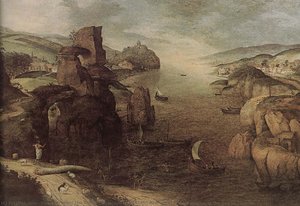
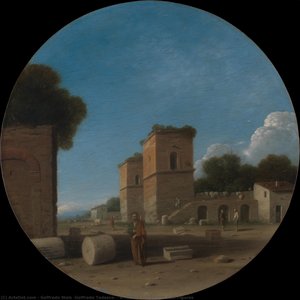
Landscape with Christ and St Peter
 Acrylic On Canvas
- WallArt
- Baroque Landscape Painting
 1625
1625 28.0 x 28.0 cm
 National Gallery of Scotland
 Read More
Hand Made Oil Reproduction
Hand-painted oil on canvas in your size and frame, made to order by our artists. ( Buy Print Buy Image)




P118B $10

P118H $10

P118W $10

P438Z $10

P508JH $12

P508YH $12

P805H $10

P805Z $10

P919BZ $10

P919G $10

P919XJ $10

P959ZH $10

P968JZ $12

W106C $8

W218G $10

W218JH $8

W218Y $10

W307PJ $10

W316G $10

W316PJ $8

W316Y $10

W398PJ $8

W4111J $10

W500HY $15

W500JH $15

W692G $12

W849H $8

W940BG $15

W953PJ $8




Pick from our preset sizes that match the artwork's original proportions.

You may enter your own dimensions to fit a specific frame or space. If your selected size does not match the original image's proportions, we will either crop the artwork or extend the painting with additional hand-painted elements. A digital mockup will be sent for your approval before production begins.
Please note that the on-screen preview does not reflect the actual cropping or extension. Only the mockup will accurately show the final composition.
While custom sizes are available, we recommend selecting a dimension from the predefined list to preserve the original proportions.
After order, ArtsDot.com team will email client for instructions and provide a mockup preview
Worldwide Delivery () in 3/4 weeks instead of standard 5 weeks. (17 August). No compromise on quality.

Free Worldwide Express Shipping

High-Quality Linen Canvas

Full Shipping Insurance

Customs Tax Refund Guarantee

True Color Matching Guarantee

60-Day Return Policy (Defects Only)

100% Money-Back Guarantee

Bulk Discount Offer
 Glass option is only available in size under 110 CM

Landscape with Christ and St Peter
Reproduction Medium
Reproduction Size
-


Total Price
$ 263
Artwork Description
Landscape with Christ and St Peter – A Roman Reverie
Gottfried Wals (1595 – 1638), a German painter born in Cologne around 1595 and tragically deceased in Rome in 1638, remains an enigmatic figure within the broader panorama of Baroque art. While biographical details are scarce—primarily gleaned from scattered archival records—his artistic output speaks volumes about his profound engagement with Roman landscape painting and biblical narratives, establishing him as a distinctive voice amidst the stylistic currents of his time. Wals’s formative years were spent in Cologne, where he honed his skills under the tutelage of Johann Georg Muffat, a prominent composer and influential teacher. This exposure to musical sophistication undoubtedly permeated Wals's artistic sensibilities, fostering an appreciation for harmonic balance and textural subtlety—characteristics that would become hallmarks of his oeuvre. Early Influences: The Cologne School’s emphasis on tonal colorism and meticulous observation profoundly shaped Wals’s approach to painting. Unlike the dramatic chiaroscuro favored by Caravaggio, Wals opted for a quieter palette, prioritizing soft hues and diffused light – techniques directly attributable to the Cologne School's aesthetic principles. This deliberate restraint served not merely as stylistic choice but as an embodiment of the contemplative spirit characteristic of Roman landscape art during his era. He sought to capture the serenity of the Italian countryside, mirroring the spiritual solace found in contemplation and prayer—themes central to Catholic piety at the time. The Artwork: “Landscape with Christ and St Peter” depicts a tranquil vista overlooking the Tiber River. Wals skillfully renders the undulating hillsides bathed in golden afternoon light, populated by grazing cows and sheep. The composition is balanced, drawing the eye towards a distant boat gliding across the water – a subtle nod to biblical narratives of pilgrimage and divine providence. A prominent clock tower punctuates the skyline, grounding the scene in temporal reality while simultaneously reinforcing the overarching sense of timeless beauty. Wals’s meticulous brushwork contributes to an impression of palpable stillness; individual strokes blend seamlessly together, creating a velvety surface that captures the essence of Roman pastoral tranquility. Symbolism and Context: Wals's painting transcends mere visual representation; it operates on multiple symbolic levels. The landscape itself symbolizes Edenic purity – a return to God’s original creation—while Christ and St Peter stand as emblems of faith and divine authority. Their posture exudes calm dignity, conveying the importance of piety and contemplation within the Catholic Church’s worldview. Produced during Wals's time in Rome, the artwork reflects the broader artistic preoccupation with biblical themes and idealized depictions of nature – a trend that flourished throughout the Baroque period. It speaks to a desire for spiritual elevation and offers viewers an invitation to immerse themselves in the beauty of God’s creation. Concluding Remarks: Gottfried Wals’s “Landscape with Christ and St Peter” stands as a testament to the enduring power of understated elegance and harmonic composition. Its quiet grandeur captures not only the visual splendor of Roman landscapes but also the profound spiritual values that underpinned Baroque artistic expression. A remarkable reproduction would undoubtedly enrich any interior space, transporting viewers back to a moment of serene contemplation—a timeless reminder of beauty’s ability to inspire and uplift the soul.Related Artworks
![Landscape With A Calm (un Tem[p]s Calme Et Serein) — Nicolas Poussin, Baroque](/media/artworks/images/thumbnails/d9/68/d968ff3e5b2b42448a527566ad3b4a37.jpg)
Artist Biography
The Enigmatic Wanderer of the Baroque Landscape
In the grand, sweeping tapestry of the seventeenth century, few figures possess the haunting mystery of Gottfried Wals, known to his Italian contemporaries as Goffredo Tedesco. Born in Cologne around 1595, this German master’s life was a restless pilgrimage across the heart of Europe, a journey that mirrored the very movement and light he sought to capture on canvas. While biographical fragments remain scattered like autumn leaves—gleaned from sparse archival records and the echoes of legal complaints—his artistic legacy is one of profound atmospheric depth. Wals did not merely paint scenery; he orchestrated quiet Roman landscapes where biblical narratives breathed within the stillness of nature, creating a bridge between the meticulous traditions of the North and the dramatic, sun-drenched innovations of the Italian Baroque.
Wals’s early years in Cologne provided a foundation of technical rigor. Under the tutelage of the influential Johann Georg Muffat, he likely absorbed a sense of musicality and harmonic balance that would later define his compositions. This period instilled in him an appreciation for tonal colorism and a keen eye for the subtle textures of the natural world. However, it was his migration to Italy around 1615 that ignited his true artistic transformation. Moving through Naples and Genoa before settling in Rome, Wals found himself immersed in a landscape of intense creative friction. His time in Rome was marked by both hardship and brilliance; he served as an assistant to the notoriously volatile Agostino Tassi, an experience that saw him endure physical hardship and even brief imprisonment, yet it placed him at the very epicenter of the Roman artistic ferment.
A Symphony of Light and Shadow
The stylistic evolution of Wals is a testament to his ability to synthesize diverse influences into a singular, evocative voice. As he navigated the streets of Rome, the revolutionary shadows of Caravaggio began to permeate his work. He embraced the power of tenebrism, using stark contrasts between light and dark to imbue biblical scenes with an unflinching, spiritual realism. Yet, Wals was not a mere imitator of the Caravaggisti; he sought a more lyrical integration of figure and environment. His interest in composition and lighting often drew comparisons to Filippo Napoletano and the atmospheric mastery of Adam Elsheimer, suggesting a painter deeply concerned with the way light sculpts the physical world.
One of the most remarkable aspects of his career was his role as a mentor to future legends. Between 1620 and 1622, the great landscape master Claude Lorrain was an occasional student of Wals, suggesting that the seeds of Lorrain’s celebrated classical landscapes may have been sown in the lessons learned from the German painter's delicate handling of light. Wals’s preferred medium—often small-format works painted on copper or circular compositions—allowed for a jewel-like precision. In these intimate spaces, he could meticulously render the grandeur of the Roman countryside, turning a small piece of metal into a window onto an eternal, pastoral world.
Legacy and the Final Tremor
Despite the scarcity of his surviving oeuvre—with only about twenty-five works definitively attributed to him—the historical significance of Goffredo Wals remains undiminished. He stood as a pivotal figure in the burgeoning Northern School of landscape painting, a movement that sought to capture the sublime serenity of antiquity through a lens of profound emotional resonance. His ability to weave sacred history into the fabric of the natural landscape offered a meditative experience for the viewer, turning landscapes into sites of spiritual contemplation.
The tragic end of his life serves as a poignant coda to his restless journey. It is believed that Wals perished in 1638, likely during or shortly after the devastating earthquake that struck Calabria. This sudden loss silenced a voice that was still actively shaping the landscape traditions of Europe. Today, when we look upon his works, such as his evocative Landscape with Christ and Saint John the Baptist, we see more than just historical artifacts; we encounter the enduring spirit of an artist who found beauty in the interplay of shadow and light, and who left behind a quiet, luminous imprint on the history of Baroque art.
goffredo wals (goffredo tedesco)
1595 - 1638 , Germany
Quick Facts
- Artistic Movement Or Style: Italian Baroque
- Artists Or Movements Influenced By This Artist: ['']
- Artists Who Influenced This Artist: ['']
- Date Of Birth: c. 1595
- Date Of Death: 1638
- Full Name: Gottfried Wals
- Nationality: German
- Notable Artworks:
- Roman Landscapes
- Biblical Narratives
- Place Of Birth: Cologne, Germany