

 Preview
 Send
Send Share
Share
 Details

 Download
 Similars
 X-Ray
X-Ray Diaporama
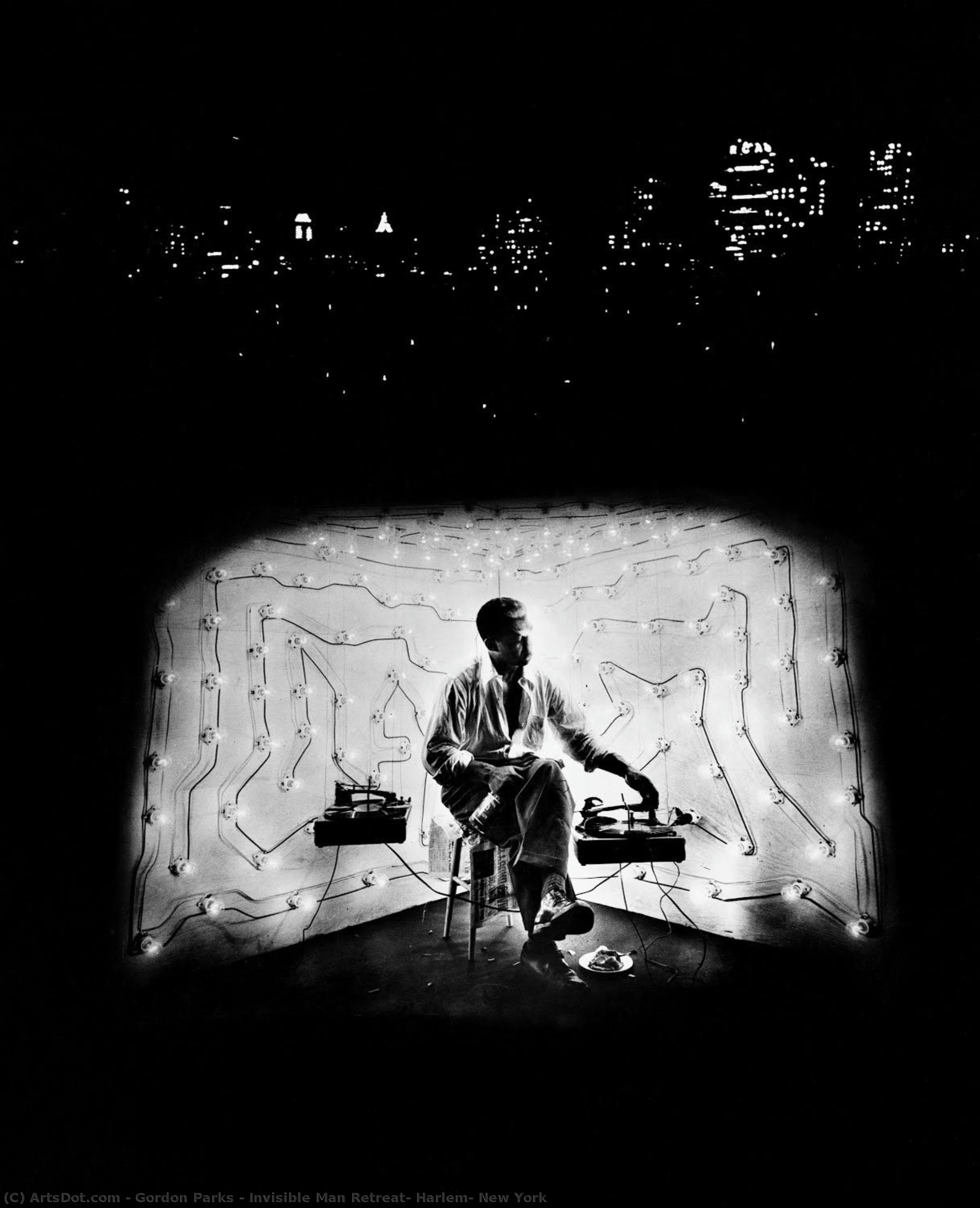
Invisible Man Retreat, Harlem, New York


 Read More
Purchase a high-resolution, enhanced digital image, far superior to the online preview.
Each file is meticulously prepared by our in-house specialists using advanced tools and expert manual retouching. We ensure every image has exceptional clarity, precise color accuracy, and fine detail.
The final file is delivered via email within 72 hours, optimized for immediate use in professional, editorial, and print environments. This is the same quality trusted by top-tier design studios, publishers, and galleries.
Digital Image
Download a high-resolution file for personal display, printing, and creative projects. ( Buy Print Buy Hand Made Painting)
Included in Every Digital Image Order
Expert Digital Delivery, Guaranteed
When you choose ArtsDot.com, you're not just getting an image - you're receiving a professionally enhanced digital artwork, crafted with precision and backed by a satisfaction guarantee. Here's everything that comes with your order, automatically:

Fast Email Delivery
Your high-resolution digital image file will be emailed to you within 72 hours of ordering - ready for immediate use.

AI-Enhanced Digital File
Your artwork is professionally optimized using advanced AI tools and manual editing, ensuring maximum detail, clarity, and color accuracy.

Free Lifetime Re-Delivery
Accidentally deleted or lost your file? No worries - we'll resend it to you anytime, free of charge.

No Import Fees - Ever
Enjoy your artwork instantly with zero customs, duties, or delivery fees - digital downloads are always tax-free.

Color Accuracy Guarantee
We ensure your digital image reflects the original colors as closely as possible using professional tools and color management.

60-Day Satisfaction Guarantee
If you're not satisfied with your digital image, we'll revise it or refund 100% within 60 days - no questions asked.

100% Money-Back Guarantee
Not satisfied? Get a full refund within 60 days of receiving your digital file - no questions asked.

Bulk Order Discounts
Buy 3 images, save 10% - Buy 5, save 15% - Buy 10+, save 20%. Great for creative projects, galleries, and agencies.
Collectible Description
Gordon Parks’ “Invisible Man Retreat,” Harlem, New York
The photograph captures Harlem’s nocturnal atmosphere with striking monochrome—a deliberate choice by Gordon Parks that amplifies the image's emotional resonance and underscores its thematic concerns. Published in August 1952 alongside Ralph Ellison’s seminal novel *Invisible Man*, this piece serves as a visual embodiment of Ellison’s exploration of racial prejudice and the psychological impact of societal exclusion. Parks skillfully juxtaposes the starkness of black and white with the luminous interior of a subterranean retreat, creating a compelling contrast that mirrors the protagonist's journey from isolation to self-awareness.Composition and Technique
Parks employed a masterful technique combining photographic realism with theatrical staging. He meticulously constructed a miniature set representing Harlem’s cityscape at night—a feat achieved by layering a negative print onto another image of New York City illuminated after dark. This innovative approach highlights the photographer's dedication to capturing not merely what is seen but also what is imagined, mirroring Ellison’s stylistic strategy of blending fantasy and reality to convey the complexities of the Black experience. The geometric patterns of the illuminated board—a deliberate reference to circuitry and technological advancement—are juxtaposed against the architectural lines of the building behind, emphasizing the tension between human presence and artificial environment. Careful attention was paid to lighting and shadow, creating a dramatic visual effect that enhances depth and contributes to the photograph’s unsettling mood.Historical Context and Significance
“Invisible Man Retreat” emerged during the fervent Civil Rights Movement, reflecting the anxieties and aspirations of African Americans grappling with systemic discrimination. Parks' collaboration with Ellison on this project solidified his role as a pivotal figure in documenting American life through photography—a medium he championed to expose injustices and foster empathy for marginalized communities. The photograph’s publication coincided with Ellison’s groundbreaking novel, which powerfully articulated the pervasive feeling of invisibility experienced by Black individuals navigating a racially prejudiced society. Parks' image serves as a visual counterpart to Ellison’s prose, amplifying the novel’s themes of identity, alienation, and resistance.Symbolism and Emotional Impact
The photograph’s central figure—a man seated within the illuminated retreat—represents the protagonist from *Invisible Man*, embodying both vulnerability and determination. The retreat itself symbolizes a refuge from societal pressures and an attempt to reclaim autonomy amidst oppressive forces. Parks' use of light and shadow evokes feelings of introspection and unease, mirroring the protagonist’s internal struggles as he confronts his own invisibility and seeks to assert his presence in a world that denies him recognition. Furthermore, the inclusion of Louis Armstrong playing music—a deliberate nod to Ellison’s stylistic choices—underscores the importance of artistic expression as a means of confronting prejudice and advocating for social justice. The photograph's enduring power lies in its ability to convey both the psychological torment of discrimination and the unwavering hope for liberation.Concluding Remarks
Gordon Parks’ “Invisible Man Retreat,” Harlem, New York” remains an unforgettable image—a testament to his artistic vision and a poignant reflection of American history. Its meticulous composition, innovative technique, and evocative symbolism continue to inspire viewers today, prompting contemplation on themes of identity, isolation, and the transformative potential of art in challenging societal norms. It stands as a cornerstone of Parks’ oeuvre and a powerful illustration of Ellison's literary masterpiece—a timeless exploration of the human condition amidst racial prejudice.Related Artworks
Artist Biography
early life and career
gordon roger alexander buchanan parks, an american photographer, musician, writer, and film director, was born on november 30, 1912, in fort scott, kansas. he was the youngest of fifteen children to sarah (née ross) and jackson parks. parks' early life was marked by segregation, which he experienced firsthand in his hometown.as a self-taught artist, parks began his career as a photographer, eventually becoming the first african american to work for life and vogue magazines. his iconic photos of poor americans during the 1940s, taken for a federal government project, are a testament to his skill and dedication.
notable works and achievements
- shaft (1971), a film directed by parks, which became a cultural phenomenon.
- the learning tree (1969), a semiautobiographical film that marked parks' directorial debut.
- a choice of weapons (1985), a memoir that showcases parks' writing prowess.
- life magazine's photographic essays, which cemented parks' status as a prominent photojournalist.
museums and collections
- the melvin holmes collection, featuring an extensive collection of parks' work. [https://www.holmesartgallery.com/gordonparks](https://www.holmesartgallery.com/gordonparks)
- moma (the museum of modern art), which has an impressive collection of parks' photographs. [https://www.moma.org/artists/8083](https://www.moma.org/artists/8083)
awards and legacy
- naacp image award (2003)
- pga oscar micheaux award (1993)
- national medal of arts (1988)
- spingarn medal (1972)
gordon parks' legacy extends beyond his impressive body of work, as he paved the way for future generations of african american artists. his contributions to photojournalism, filmmaking, and music continue to inspire and influence artists today.
selected works on ArtsDot.com
- emerging man (gelatin silver print), a powerful photograph showcasing parks' skill. [https://ArtsDot.com/d3xgfc-gordon-parks-emerging-man](https://ArtsDot.com/d3xgfc-gordon-parks-emerging-man)
- portrait of mrs. lucy johnson (gelatin silver print), a poignant portrait that highlights parks' storytelling ability. [https://ArtsDot.com/d4dblu-gordon-parks-portrait-of-mrs-lucy-johnson](https://ArtsDot.com/d4dblu-gordon-parks-portrait-of-mrs-lucy-johnson)
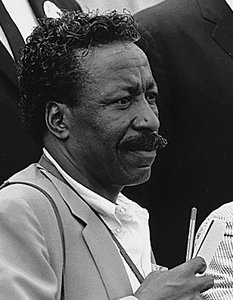
Gordon Parks
1912 - 2006 , United States of America
Quick Facts
- Artistic Movement Or Style: Photojournalism, Social Realism
- Artists Or Movements Influenced By This Artist: Future African American artists
- Date Of Birth: November 30, 1912
- Date Of Death: March 7, 2006
- Full Name: Gordon Roger Alexander Buchanan Parks
- Nationality: American
- Notable Artworks:
- Shaft
- The Learning Tree
- Emerging Man
- Harlem Gang Wars
- Night Rumble
- Place Of Birth: Fort Scott, USA

