 Preview
 Send
Send Share
Share
 Details

 Download
 Similars
 X-Ray
X-Ray Diaporama
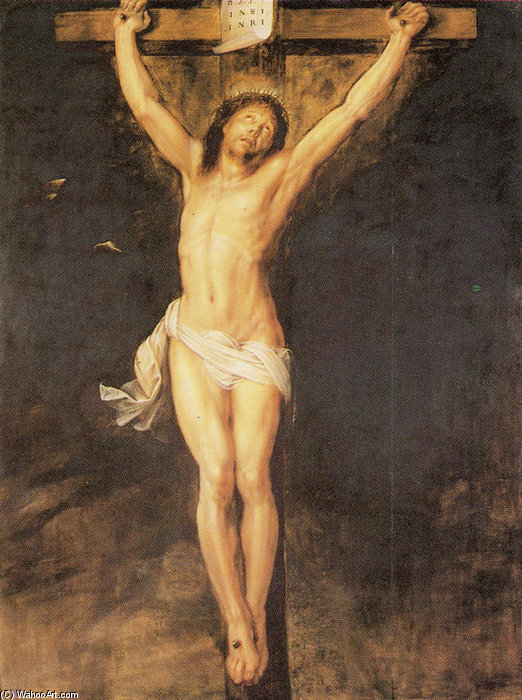
Christ On The Cross
 Read More
Hand Made Oil Reproduction
Hand-painted oil on canvas in your size and frame, made to order by our artists. ( Buy Print Buy Image)




































Pick from our preset sizes that match the artwork's original proportions.

You may enter your own dimensions to fit a specific frame or space. If your selected size does not match the original image's proportions, we will either crop the artwork or extend the painting with additional hand-painted elements. A digital mockup will be sent for your approval before production begins.
Please note that the on-screen preview does not reflect the actual cropping or extension. Only the mockup will accurately show the final composition.
While custom sizes are available, we recommend selecting a dimension from the predefined list to preserve the original proportions.
After order, ArtsDot.com team will email client for instructions and provide a mockup preview
Worldwide Delivery () in 3/4 weeks instead of standard 5 weeks. (17 August). No compromise on quality.

Free Worldwide Express Shipping

High-Quality Linen Canvas

Full Shipping Insurance

Customs Tax Refund Guarantee

True Color Matching Guarantee

60-Day Return Policy (Defects Only)

100% Money-Back Guarantee

Bulk Discount Offer
 Glass option is only available in size under 110 CM

Christ On The Cross
Reproduction Medium
Reproduction Size
-


Total Price
$ 263
Related Artworks
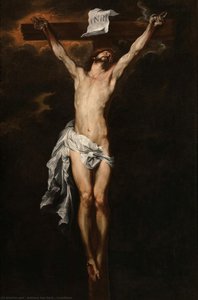
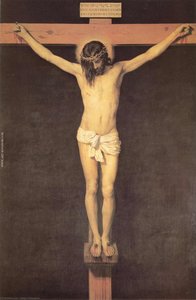
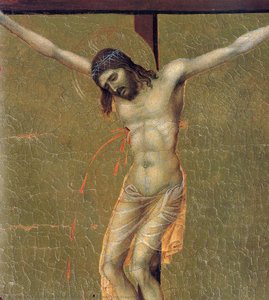
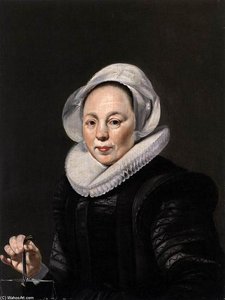
Artist Biography
Lucas Cranach the Elder: A Renaissance Master of Portraiture and Reformation
Lucas Cranach the Elder, a name synonymous with the vibrant artistic landscape of 16th-century Germany, stands as one of the most significant figures in the transition from late Gothic to early Renaissance art. Born in Kronach, Bavaria, around 1472 – though the precise date remains shrouded in historical uncertainty – Cranach’s life was inextricably linked to the tumultuous era of the Reformation, and his artistic output profoundly shaped its visual narrative. He wasn't merely a painter; he was a courtier, a printmaker, a political player, and ultimately, a keen observer of human nature, all reflected within the rich tapestry of his oeuvre.
Cranach’s early training is believed to have been largely self-directed, likely under the tutelage of his father, Hans Maler, a skilled craftsman who operated as a painter in the region. This foundational experience instilled in him a solid understanding of technique and composition, which he then honed through travels and apprenticeships across Bavaria and Vienna. These formative years exposed him to the artistic currents of the Danube School, characterized by its dramatic landscapes, expressive figures, and a penchant for capturing fleeting moments – influences that would later permeate his own work. The influence of Matthias Grünewald, another prominent artist working in Bamberg at the time, is also frequently noted, suggesting a shared lineage of Northern European artistic sensibilities.
A Court Painter and Reformation Icon
Cranach’s career truly blossomed when he entered the service of the Electors of Saxony in 1505. He quickly established himself as their official court painter, a position he held for nearly half a century. This patronage afforded him unparalleled access to the powerful figures of the era – including Martin Luther, Johann Frederick the Wise, and Charles V – providing him with a unique opportunity to document their lives and personalities through portraiture. These portraits are not simply representations; they are carefully constructed narratives, imbued with symbolism and reflecting the political and religious climate of the time.
Crucially, Cranach’s relationship with Martin Luther was particularly profound. He became a close friend and confidante, providing visual support for the reformer's theological arguments. The eleven surviving portraits of Luther, each capturing a different stage of his life and intellectual development, are invaluable historical documents, offering intimate glimpses into the man behind the movement. Beyond Luther, Cranach depicted other key figures associated with the Reformation – theologians, bishops, and reformers – solidifying his role as an artistic chronicler of this pivotal period.
The Art of Printmaking and Diverse Subjects
Cranach’s versatility extended beyond painting to encompass printmaking. He was a master woodcut and engraver, producing a vast array of images that circulated widely throughout Europe. His prints – including biblical scenes, mythological subjects, and portraits – were highly sought after by collectors and patrons alike. The technique of engraving allowed him to achieve remarkable detail and precision, while his woodcuts possessed a raw energy and immediacy.
While he is best known for his portraits, Cranach’s artistic repertoire was remarkably diverse. He painted altarpieces, religious scenes, mythological compositions, and, significantly, nude studies – often drawing inspiration from classical mythology and biblical narratives. These nudes, particularly those depicting Venus and other goddesses, were considered scandalous at the time but demonstrated Cranach's willingness to challenge conventional artistic norms and explore themes of beauty, desire, and human form. His work reflects a sophisticated understanding of anatomy and an appreciation for the sensual qualities of the body.
Legacy and Influence
Lucas Cranach the Elder’s impact on German art is immeasurable. He was arguably the most successful artist of his time, establishing a workshop that produced countless copies and variations of his works for decades after his death in 1553. His son, Lucas Cranach the Younger, continued to build upon his father's legacy, further refining his techniques and expanding his subject matter. Cranach’s influence can be seen in the work of subsequent generations of German artists, including Albrecht Dürer and Hans Holbein.
Beyond his artistic achievements, Cranach’s life offers a fascinating window into the cultural and political dynamics of 16th-century Germany. He navigated the complexities of courtly life, embraced the ideals of the Reformation, and left behind a body of work that continues to captivate and inspire viewers today. His portraits remain powerful testaments to the personalities and beliefs of an era, while his prints serve as enduring reminders of the artistic innovations of a true Renaissance master.
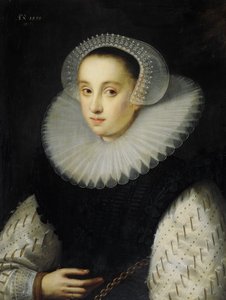
gortzius geldorp
1553 - 1616 , Belgium
Quick Facts
- Artistic Movement Or Style: Renaissance, German Renaissance
- Artists Or Movements Influenced By This Artist:
- Lucas Cranach the Younger
- Electors of Saxony
- Artists Who Influenced This Artist:
- Hans Maler
- Matthias Grünewald
- Date Of Birth: c. 1472
- Date Of Death: 16 October 1553
- Full Name: Lucas Cranach the Elder
- Nationality: German
- Notable Artworks:
- Venus and Adonis
- The Rest on the Flight into Egypt
- Portrait of a Man
- Luther as 'Junker Jorg'
- Place Of Birth: Kronach, Germany