 Preview
 Send
Send Share
Share
 Details

 Download
 Similars
 X-Ray
X-Ray Diaporama
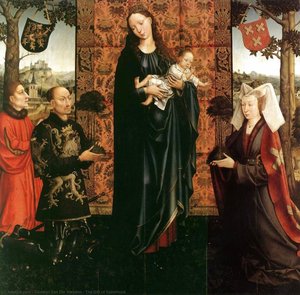
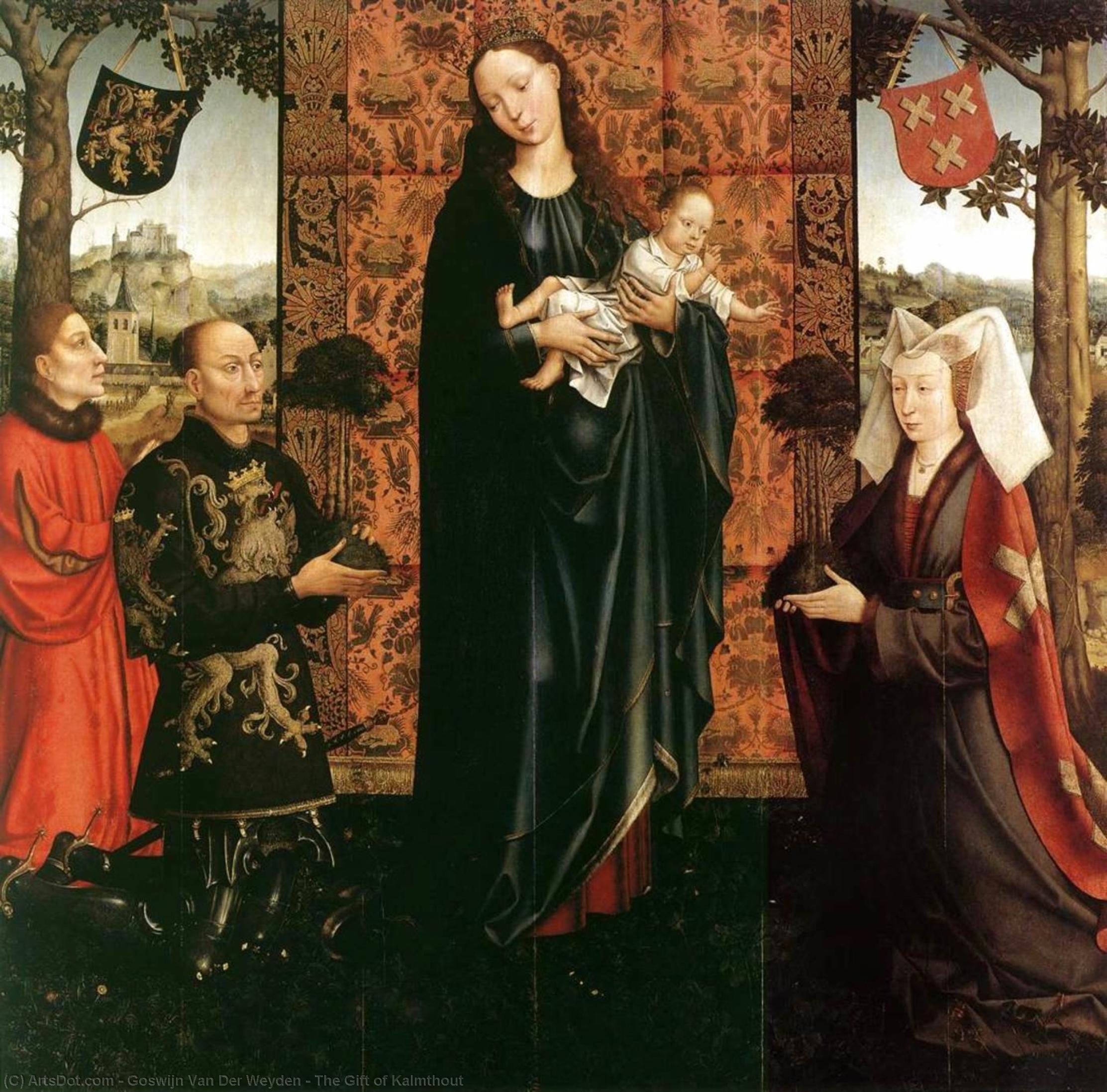
The Gift of Kalmthout
 Acrylic On Canvas
- WallArt
- Renaissance
 1511
1511 153.0 x 153.0 cm
 Staatliche Museen
 Read More
Hand Made Oil Reproduction
Hand-painted oil on canvas in your size and frame, made to order by our artists. ( Buy Print Buy Image)




P118B $10

P118H $10

P118W $10

P438Z $10

P508JH $12

P508YH $12

P805H $10

P805Z $10

P919BZ $10

P919G $10

P919XJ $10

P959ZH $10

P968JZ $12

W106C $8

W218G $10

W218JH $8

W218Y $10

W307PJ $10

W316G $10

W316PJ $8

W316Y $10

W398PJ $8

W4111J $10

W500HY $15

W500JH $15

W692G $12

W849H $8

W940BG $15

W953PJ $8




Pick from our preset sizes that match the artwork's original proportions.

You may enter your own dimensions to fit a specific frame or space. If your selected size does not match the original image's proportions, we will either crop the artwork or extend the painting with additional hand-painted elements. A digital mockup will be sent for your approval before production begins.
Please note that the on-screen preview does not reflect the actual cropping or extension. Only the mockup will accurately show the final composition.
While custom sizes are available, we recommend selecting a dimension from the predefined list to preserve the original proportions.
After order, ArtsDot.com team will email client for instructions and provide a mockup preview
Worldwide Delivery () in 3/4 weeks instead of standard 5 weeks. (17 August). No compromise on quality.

Free Worldwide Express Shipping

High-Quality Linen Canvas

Full Shipping Insurance

Customs Tax Refund Guarantee

True Color Matching Guarantee

60-Day Return Policy (Defects Only)

100% Money-Back Guarantee

Bulk Discount Offer
 Glass option is only available in size under 110 CM

The Gift of Kalmthout
Reproduction Medium
Reproduction Size
-


Total Price
$ 263
Artwork Description
The Profound Narrative of “The Gift of Kalmthout”
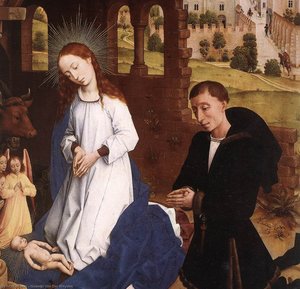
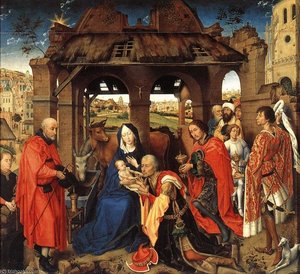
Goswijn van der Weyden’s “The Gift of Kalmthout,” painted in 1513, is more than a religious depiction; it's a meticulously crafted tableau brimming with symbolic weight and the quiet drama of a pivotal moment. Commissioned for the Abbey of Tongerlo in Belgium, this oil painting transports us to a serene yet subtly unsettling scene within a medieval estate – a kneeling couple, Arnold of Louvain and his wife, receiving a newborn child, ostensibly representing the Holy Infant Jesus. The composition is masterfully controlled, radiating an aura of solemn reverence while simultaneously hinting at unspoken anxieties. Van der Weyden’s signature style—a harmonious blend of detail and emotional depth inherited from his grandfather, Rogier van der Weyden—is evident in every brushstroke, creating a palpable sense of realism that draws the viewer into this intimate moment.
Van der Weyden's technical prowess is immediately apparent. He employs a sophisticated use of chiaroscuro – the dramatic interplay of light and shadow – to sculpt the figures and define their surroundings. The muted palette, dominated by earthy browns, deep blues, and subtle greens, contributes to the painting’s contemplative mood. Notice particularly the meticulous rendering of textures: the folds of the clothing, the delicate features of the kneeling couple, and the richly adorned background all speak to Van der Weyden's unparalleled skill in capturing the nuances of material reality. The use of glazing techniques—thin layers of translucent paint applied over dried underlayers—creates a luminous quality that imbues the scene with an ethereal glow.
Symbolism Woven into the Scene
“The Gift of Kalmthout” is rich in symbolic meaning, reflecting the anxieties and spiritual concerns prevalent during the early 16th century. The title itself refers to a legend surrounding the abbey – a tale of a miraculous gift bestowed upon the monks by Saint Nicholas. The kneeling couple represents humanity’s dependence on divine grace, symbolized by the infant Jesus. Arnold's posture—kneeling in humble submission—underscores this theme, while his wife’s expression suggests both gratitude and a touch of apprehension. The presence of the shield-like object near the top left corner is particularly intriguing; its purpose remains debated among scholars, but it may represent protection or divine guidance.
Furthermore, the setting itself—a grand estate with its meticulously arranged gardens and imposing architecture—symbolizes earthly power and worldly concerns. The juxtaposition of this opulent backdrop with the simple act of receiving a newborn child highlights the tension between material wealth and spiritual fulfillment. The overall atmosphere is one of quiet contemplation, inviting viewers to reflect on themes of faith, humility, and the enduring mysteries of life and death.
Historical Context and Artistic Legacy
Goswijn van der Weyden’s artistic journey was deeply intertwined with the evolving artistic landscape of the Flemish Renaissance. He initially trained under his renowned grandfather, Rogier van der Weyden, absorbing the latter's profound emotional depth and meticulous realism. However, Goswijn quickly established his own distinctive style—a more restrained and controlled approach that blended the traditions of Brussels with the burgeoning Antwerp Mannerism. This synthesis is particularly evident in “The Gift of Kalmthout,” which showcases Van der Weyden’s ability to seamlessly integrate classical influences with regional artistic sensibilities.
His work reflects a period of significant religious and social change, marked by the rise of humanism and the increasing emphasis on individual experience. Van der Weyden's paintings often explored themes of piety, charity, and the relationship between humanity and God—subjects that resonated deeply with audiences during his time. “The Gift of Kalmthout” stands as a testament to Van der Weyden’s artistic skill and his ability to capture the complexities of human emotion within a richly symbolic framework.
A Timeless Masterpiece for Reflection and Display
“The Gift of Kalmthout” remains a profoundly moving work of art, offering viewers an opportunity to engage with timeless themes of faith, humility, and the enduring mysteries of life. Its meticulous detail, evocative symbolism, and masterful technique make it a prized possession within the collections of museums worldwide. Whether admired as a historical artifact or contemplated as a source of spiritual inspiration, this painting continues to captivate audiences centuries after its creation. Reproductions offer an accessible way to bring this masterpiece into your home, allowing you to appreciate Van der Weyden’s artistry and contemplate its profound narrative for years to come.
Related Artworks
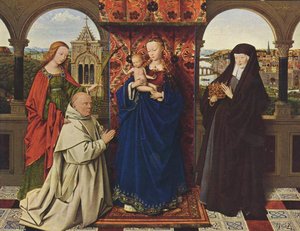
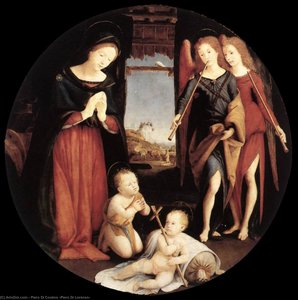
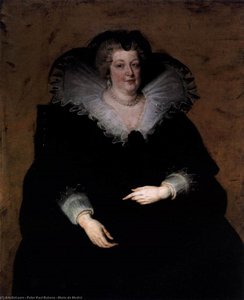
Artist Biography
The Legacy of Goswijn van der Weyden: Bridging Brussels and Antwerp
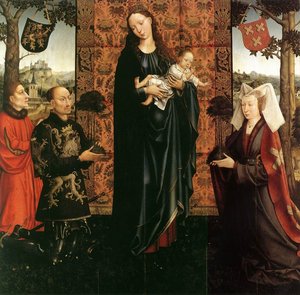
In the grand tapestry of the Flemish Renaissance, few names resonate with the quiet authority of Goswijn van der Weyden. Born in Brussels around 1465, Goswijn was more than just a painter; he was a vital link between two eras of artistic evolution. As the grandson of the legendary Rogier van der Weyden, he inherited a profound artistic lineage characterized by meticulous realism and deep emotional resonance. However, his true greatness lay in his ability to transcend the solemnity of his grandfather’s Brussels tradition, infusing his work with the burgeoning energy and dramatic flair of the Antwerp Mannerist style. His life, though marked by personal tragedy—including the heartbreaking loss of his infant son—was a testament to an enduring creative spirit that refused to be dimmed by sorrow.
The development of Goswijn’s technique represents a fascinating study in stylistic transition. Under the early tutelage of Rogier, he mastered the art of psychological acuity, learning to capture the very soul of his subjects through subtle facial expressions and an uncanny ability to render human presence. As his career progressed, one can observe a shift toward a more expressive vocabulary. He began to experiment with dramatic lighting and unsettling, piercing gazes that broke away from the static devotion of earlier Netherlandish art. This evolution allowed him to bridge the gap between the meticulous, almost microscopic detail of the Brussels school and the heightened emotional intensity and movement found in the emerging Antwerp style.
Masterpieces of Devotion and Portraiture
Goswijn’s artistic output was defined by a remarkable versatility, ranging from monumental religious altarpieces to intimate, psychologically complex portraits. His most celebrated achievement, ‘The Gift of Kalmthout,’ stands as a pinnacle of his technical prowess. Commissioned for the Saint John Baptist Hospital in Leuven, this masterpiece serves as a perfect synthesis of his influences. In it, the viewer encounters the profound tenderness of the Virgin Mary receiving the infant Jesus, rendered with such luminous coloration and intricate drapery that the spiritual weight of the scene becomes almost tangible. The painting captures a moment of divine intersection, where the earthly and the celestial meet through the medium of exquisite craftsmanship.
Beyond his religious commissions, Goswijn was a master of the portrait, a genre that allowed him to explore the nuances of human identity and social status. His portraits are celebrated for their opulent beauty and historical significance, often serving as windows into the aristocratic and merchant classes of the 15th and 16th centuries. Notable works include:
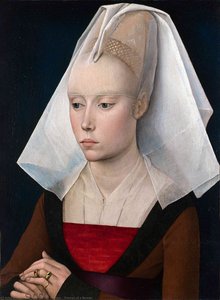
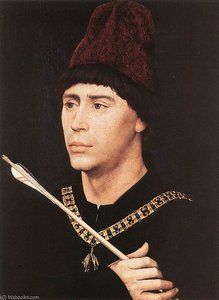
- Portrait of a Woman (1464): An early example of his ability to capture timeless beauty through delicate oil techniques.
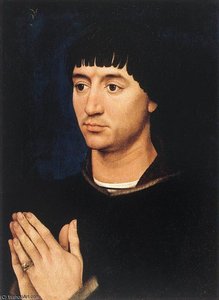
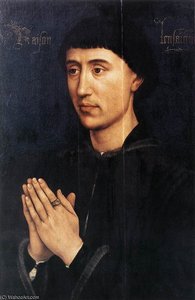
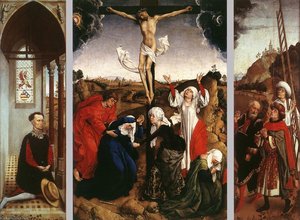
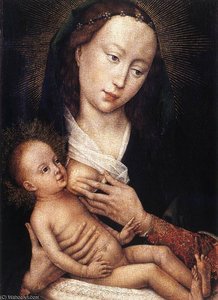
- Portrait Diptych of Laurent Froimont: A captivating study in serene beauty and intricate detail, showcasing the artist's skill in capturing individual character within a structured format.
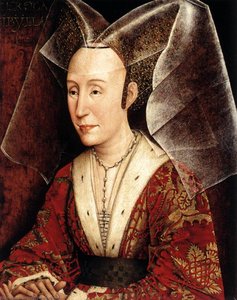
- Isabella of Portugal: A stunning Early Netherlandish portrait that exemplifies his use of rich colors and textures to convey historical grandeur and royal dignity.
Historical Significance and Artistic Impact
The historical significance of Goswijn van der Weyden lies in his role as a stylistic conduit. He did not merely replicate the past; he prepared the ground for the future. By integrating the precision of the Early Netherlandish tradition with the more dynamic, expressive elements of Antwerp Mannerism, he helped shape the visual language of the Northern Renaissance. His ability to manipulate light and shadow to create atmosphere foreshadowed the dramatic shifts that would later define much of European painting. Today, his works remain vital touchstones for understanding the transition from the late Middle Ages into the vibrant, complex era of the Renaissance, standing as enduring monuments to a life dedicated to the pursuit of artistic truth.
Goswijn van der Weyden
1465 - 1538 , Belgium
Quick Facts
- Artistic Movement Or Style: Renaissance; Antwerp Mannerism
- Artists Or Movements Influenced By This Artist: ['Early Netherlandish']
- Artists Who Influenced This Artist: ['Rogier van der Weyden']
- Date Of Birth: c. 1465
- Date Of Death: 1538
- Full Name: Goswijn van der Weyden
- Nationality: Flemish
- Notable Artworks:
- The Gift of Kalmthout
- Christ appears to Mary
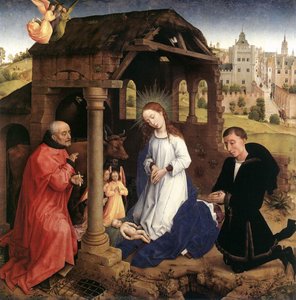
- Bladelin Triptych (central panel)
- Place Of Birth: Brussels, Belgium
Related Articles
Van Gogh's Masterpieces: Explore 25 Iconic Paintings & Art for Your Home
Journey through Vincent van Gogh's 25 most iconic paintings! Explore 'Starry Night', 'Sunflowers,' and more—discover the stories, techniques & emotions behind these Post-Impressionist masterpieces. Find museum-quality art reproductions for your home at ArtsDot.com.
Early Netherlandish Masters: 10 Paintings That Revolutionized Art & Decor
Journey into the Early Netherlandish Renaissance! Explore 10 iconic paintings by Jan van Eyck, Rogier van der Weyden & more. Discover stunning detail, symbolism, and oil painting techniques. Find museum-quality art reproductions for your home at ArtsDot.com.

Early Netherlandish Masters: 10 Paintings That Revolutionized Art & Decor
Journey into the world of Early Netherlandish painting! Explore 10 masterpieces by Jan van Eyck, Rogier van der Weyden & more. Discover stunning detail, symbolism & Renaissance art for your home decor. Find museum-quality reproductions on ArtsDot.com
Hugo van der Goes: Devotion, Innovation & the Psychological Depth of Early Netherlandish Painting
Explore the revolutionary art of Hugo van der Goes – a master of Early Netherlandish painting renowned for his dramatic realism, psychological depth & profound influence on Renaissance artists. Discover his iconic works and lasting legacy.

Rembrandt's Masterpieces: Explore 25 Iconic Paintings & Prints | ArtsDot
Journey through Rembrandt van Rijn's 25 most iconic paintings & etchings. Explore Dutch Golden Age masterpieces, dramatic chiaroscuro, and timeless portraits. Find museum-quality art reproductions to elevate your home decor on ArtsDot.com.