

 Preview
 Send
Send Share
Share
 Details

 Download
 Similars
 X-Ray
X-Ray Diaporama
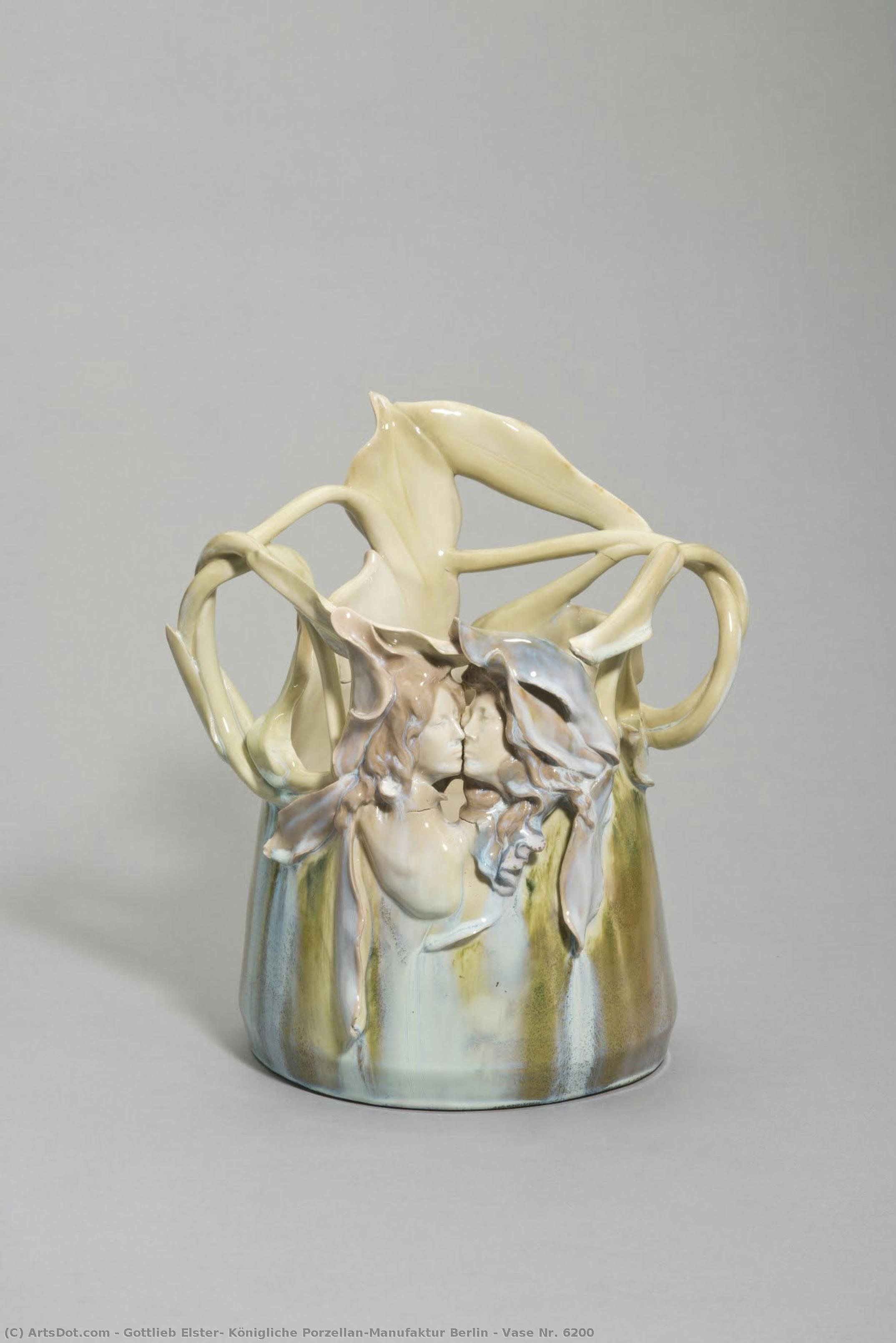
Vase Nr. 6200

 Read More
Purchase a high-resolution, enhanced digital image, far superior to the online preview.
Each file is meticulously prepared by our in-house specialists using advanced tools and expert manual retouching. We ensure every image has exceptional clarity, precise color accuracy, and fine detail.
The final file is delivered via email within 72 hours, optimized for immediate use in professional, editorial, and print environments. This is the same quality trusted by top-tier design studios, publishers, and galleries.
Digital Image
Download a high-resolution file for personal display, printing, and creative projects. ( Buy Print Buy Hand Made Painting)
Included in Every Digital Image Order
Expert Digital Delivery, Guaranteed
When you choose ArtsDot.com, you're not just getting an image - you're receiving a professionally enhanced digital artwork, crafted with precision and backed by a satisfaction guarantee. Here's everything that comes with your order, automatically:

Fast Email Delivery
Your high-resolution digital image file will be emailed to you within 72 hours of ordering - ready for immediate use.

AI-Enhanced Digital File
Your artwork is professionally optimized using advanced AI tools and manual editing, ensuring maximum detail, clarity, and color accuracy.

Free Lifetime Re-Delivery
Accidentally deleted or lost your file? No worries - we'll resend it to you anytime, free of charge.

No Import Fees - Ever
Enjoy your artwork instantly with zero customs, duties, or delivery fees - digital downloads are always tax-free.

Color Accuracy Guarantee
We ensure your digital image reflects the original colors as closely as possible using professional tools and color management.

60-Day Satisfaction Guarantee
If you're not satisfied with your digital image, we'll revise it or refund 100% within 60 days - no questions asked.

100% Money-Back Guarantee
Not satisfied? Get a full refund within 60 days of receiving your digital file - no questions asked.

Bulk Order Discounts
Buy 3 images, save 10% - Buy 5, save 15% - Buy 10+, save 20%. Great for creative projects, galleries, and agencies.
Related Artworks





Artist Biography
A Life Sculpted in Bronze and Porcelain: The World of Gottlieb Elster
Gottlieb Elster, born in the quiet town of Kreiensen, Germany, on October 8th, 1867, was a sculptor whose career, though tragically cut short, left an indelible mark on the landscape of German art at the turn of the 20th century. His story is one of dedicated study, artistic collaboration, and a sensitive embrace of both classical tradition and the burgeoning Jugendstil movement—a German variant of Art Nouveau. Elster’s path wasn't forged in isolation; it was shaped by rigorous academic training followed by immersion within the vibrant artistic communities of Munich, Berlin, and Weimar. He died on December 6th, 1917, in Braunschweig, leaving behind a legacy that continues to resonate through his monumental public sculptures and exquisitely detailed porcelain works.Formative Years and Artistic Apprenticeship
Elster’s early education laid the foundation for his future mastery. He began his studies at the Technische Hochschule Braunschweig in 1884, acquiring a strong technical grounding that would prove invaluable throughout his career. This initial phase emphasized precision and material understanding—skills essential for realizing ambitious sculptural projects. A move to Munich followed from 1888 to 1891, where he honed his figurative skills at the Academy of Fine Arts. However, it was in Berlin that Elster truly began to flourish, entering into a period of apprenticeship under the tutelage of prominent sculptors like Otto Lessing and Fritz Schaper. Crucially, he worked alongside Adolf Brütt until 1905, absorbing not only technical expertise but also a sensibility for large-scale public monument design. This collaborative environment fostered his growth, allowing him to refine his artistic voice while contributing to significant projects of the era.Director of Weimar and a Synthesis of Styles
A pivotal moment in Elster’s career arrived in 1910 when he succeeded Adolf Brütt as Director of the Weimar Sculpture School and its associated foundry. This position not only affirmed his standing within the German art world but also provided him with unparalleled opportunities to experiment and innovate. The Weimar years saw a blossoming of his artistic vision, characterized by a unique synthesis of classical influences and the organic forms favored by the Jugendstil movement. He wasn’t merely replicating past styles; he was actively blending them, creating works that felt both timeless and distinctly modern. This period also highlighted his versatility—he excelled in both monumental bronze sculptures intended for public spaces and delicate porcelain pieces showcasing remarkable technical skill.Major Achievements and Lasting Impact
Elster’s oeuvre is marked by several significant achievements that demonstrate the breadth of his talent. The 1903 statue of Frederick the Great in Rheinsberg stands as a testament to his ability to capture historical figures with both dignity and vitality, though its temporary removal during the East German period underscores the complexities of artistic legacy within shifting political landscapes—it was thankfully reinstalled in 1995. Perhaps even more iconic is the 1910 Monument of Heinrich von Kleist in Frankfurt (Oder), a powerful tribute to the renowned playwright that continues to command attention today. His 1911 seated sculpture of Queen Louise, gracing the Trianon-Park in Berlin-Weißen See, exemplifies his skill in portraying nuanced emotion and regal bearing. Beyond these large-scale works, Elster’s contributions to porcelain artistry—created in collaboration with the Königliche Porzellan-Manufaktur Berlin—reveal a meticulous attention to detail and an exquisite sense of form. His pieces weren't simply decorative objects; they were embodiments of artistic refinement.A Legacy Forged in Detail
Gottlieb Elster’s untimely death in 1917 at the age of fifty brought a premature end to a promising career, but his influence continued to be felt through the works he left behind and the students he mentored. He exemplified the role of applied arts in shaping early 20th-century European artistic innovation. His sculptures and medals—often fetching significant prices at auction—are not merely historical artifacts; they are testaments to a unique blend of technical precision, stylistic elegance, and emotional depth. Elster’s ability to seamlessly integrate classical tradition with the flowing lines of Jugendstil established him as a key figure in the transition from historicism to modernism within German art. He remains a compelling example of an artist who found beauty in both grandeur and subtlety, leaving behind a legacy that continues to inspire awe and admiration.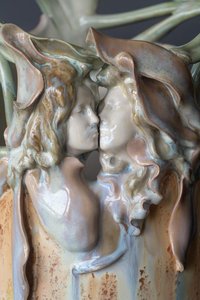
gottlieb elster, königliche porzellan-manufaktur berlin
1867 - 1917 , Germany
Quick Facts
- Artistic Movement Or Style: Jugendstil
- Artists Who Influenced This Artist:
- Otto Lessing
- Fritz Schaper
- Adolf Brütt
- Date Of Birth: October 8, 1867
- Date Of Death: December 6, 1917
- Full Name: Gottlieb Elster
- Nationality: German
- Notable Artworks:
- Statue of Frederick the Great
- Monument of Heinrich von Kleist
- Seated sculpture of Queen Louise
- Place Of Birth: Greene, Germany

