 Preview
 Send
Send Share
Share
 Details

 Download
 Similars
 X-Ray
X-Ray Diaporama
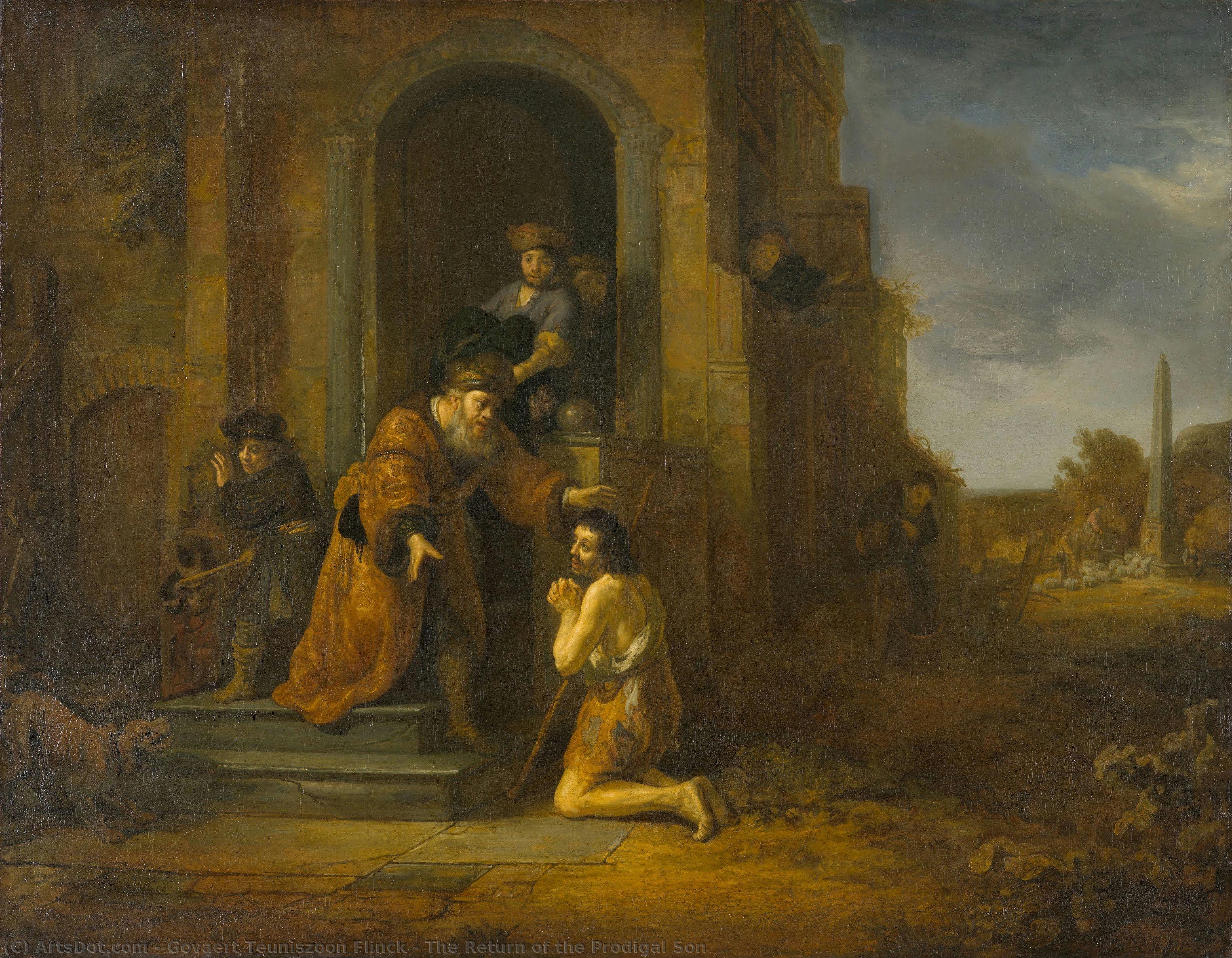
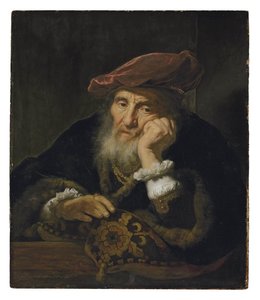
The Return of the Prodigal Son
 171.0 x 133.0 cm
 Read More
Hand Made Oil Reproduction
Hand-painted oil on canvas in your size and frame, made to order by our artists. ( Buy Print Buy Image)




































Pick from our preset sizes that match the artwork's original proportions.

You may enter your own dimensions to fit a specific frame or space. If your selected size does not match the original image's proportions, we will either crop the artwork or extend the painting with additional hand-painted elements. A digital mockup will be sent for your approval before production begins.
Please note that the on-screen preview does not reflect the actual cropping or extension. Only the mockup will accurately show the final composition.
While custom sizes are available, we recommend selecting a dimension from the predefined list to preserve the original proportions.
After order, ArtsDot.com team will email client for instructions and provide a mockup preview
Worldwide Delivery () in 3/4 weeks instead of standard 5 weeks. (25 August). No compromise on quality.

Free Worldwide Express Shipping

High-Quality Linen Canvas

Full Shipping Insurance

Customs Tax Refund Guarantee

True Color Matching Guarantee

60-Day Return Policy (Defects Only)

100% Money-Back Guarantee

Bulk Discount Offer
 Glass option is only available in size under 110 CM

The Return of the Prodigal Son
Reproduction Medium
Reproduction Size
-


Total Price
$ 263
Related Artworks









Artist Biography
The Radiant Legacy of Govaert Teuniszoon Flinck
In the golden, amber-hued atmosphere of the seventeenth-century Dutch Republic, few names shimmered with as much promise and technical brilliance as Govaert Teuniszoon Flinck. Born in 1615 in the German city of Kleve, Flinck’s journey from a draper's son to one of Amsterdam’s most sought-after masters is a testament to a passion that could not be suppressed by parental expectation. Though his father initially intended for him to follow the respectable path of a cloth merchant, the young artist’s secret devotion to drawing and etching eventually led him toward the light of the canvas. Through the guidance of the Mennonite preacher and painter Lambert Jacobsz, FlinCT found his true calling, moving from the quiet corners of Leeuwarden to the bustling, cosmopolitan heart of Amsterdam, where he would forever alter the trajectory of Dutch Baroque painting.
The early years of Flinck’s career were defined by a profound and intimate connection to the legendary Rembrandt van Rijn. Arriving in Amsterdam around 1633, Flinck entered Rembrandt's studio, absorbing the master's revolutionary use of chiaroscuro—that dramatic interplay of shadow and light that breathes life into the inanimate. This period was so transformative that Flinck’s early works possessed a stylistic kinship with Rembrandt that often bewildered even the most discerning collectors; his ability to mimic the heavy impasto and emotional depth of his mentor was nothing short man, a feat of technical virtuosity. Yet, as his talent matured, Flinck began to emerge from the shadow of his teacher, developing a voice that was uniquely his own, characterized by a growing elegance and a lighter, more luminous palette.
A Transition Toward Elegance and Grandeur
As the mid-seventeenth century progressed, the artistic tides in Amsterdam began to shift away from the somber, introspective moods of the early Baroque toward a more polished and celebratory aesthetic. Flinck was at the forefront of this evolution. Influenced by the sophisticated grace of Flemish masters like Anthony van Dyck, he transitioned from the gritty realism of his youth toward a style marked by refinement, brightness, and a certain aristocratic poise. This stylistic metamorphosis allowed him to capture the burgeoning prestige of the Dutch merchant class, as he became the preferred portraitist for those seeking to project both wealth and character. His portraits were not merely likenesses but psychological studies, imbued with a subtle dignity that resonated with the era's social aspirations.
Beyond the intimate scale of portraiture, Flinck achieved monumental success through his large-scale historical and allegorical compositions. He possessed a rare ability to weave complex narratives into grand, theatrical scenes that commanded the attention of public spaces. His commissions were as prestigious as they were ambitious:
- Civic Grandeur: His work for the new Amsterdam Town Hall showcased his ability to handle massive scale and intricate detail, contributing to the visual identity of a rising global power.
- Royal Patronage: The creation of allegorical paintings for Frederick William, Elector of Brandenburg, demonstrated his capacity to infuse art with the pomp and pathos required by European royalty.
- Architectural Integration: His involvement in decorating significant residences, such as Huis ten Bosch, solidified his reputation as a painter capable of transforming physical spaces into realms of mythic beauty.
The Enduring Impression of a Master
Tragically, the flame of Flinck’s life was extinguished far too soon. Dying in 1660 at the age of only forty-five, he left behind a body of work that stands as a bridge between the intense emotionalism of Rembrandt and the refined elegance of the later Dutch Golden Age. While history occasionally struggles to untangle his early hand from that of his master, the true value of Flinck lies in his distinct ability to marry tenebrism with a newfound clarity and light. He was an artist who could navigate the darkness of human emotion while simultaneously celebrating the brilliance of human achievement.
Today, Govaert Teuniszoon Flinck is remembered not merely as a brilliant pupil, but as a transformative force in his own right. His legacy resides in the way he captured the shifting soul of a nation—moving from the introspective struggles of a young republic to the confident, luminous splendor of a global empire. Through his brush, the textures of silk, the glint of light on armor, and the subtle nuances of a human gaze remain eternally preserved, inviting every viewer to witness the vibrant heartbeat of the Dutch Golden Age.
govaert teuniszoon flinck
1615 - 1660 , Germany
Quick Facts
- Artistic Movement Or Style: Dutch Golden Age
- Artists Or Movements Influenced By This Artist: ['Caravaggio']
- Artists Who Influenced This Artist: ['Rembrandt van Rijn']
- Date Of Birth: January 25, 1615
- Date Of Death: February 2, 1660
- Full Name: Govert Teuniszoon Flinck
- Nationality: Dutch
- Notable Artworks:
- Portrait of a Lady
- The Return of the Prodigal Son
- Place Of Birth: Cologne, Germany