 Preview
 Send
Send Share
Share
 Details

 Download
 Similars
 X-Ray
X-Ray Diaporama
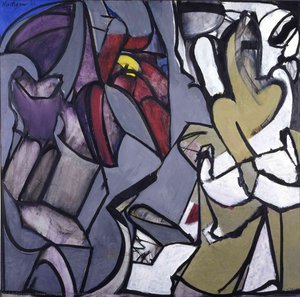
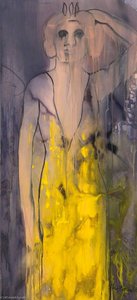
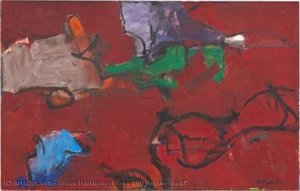
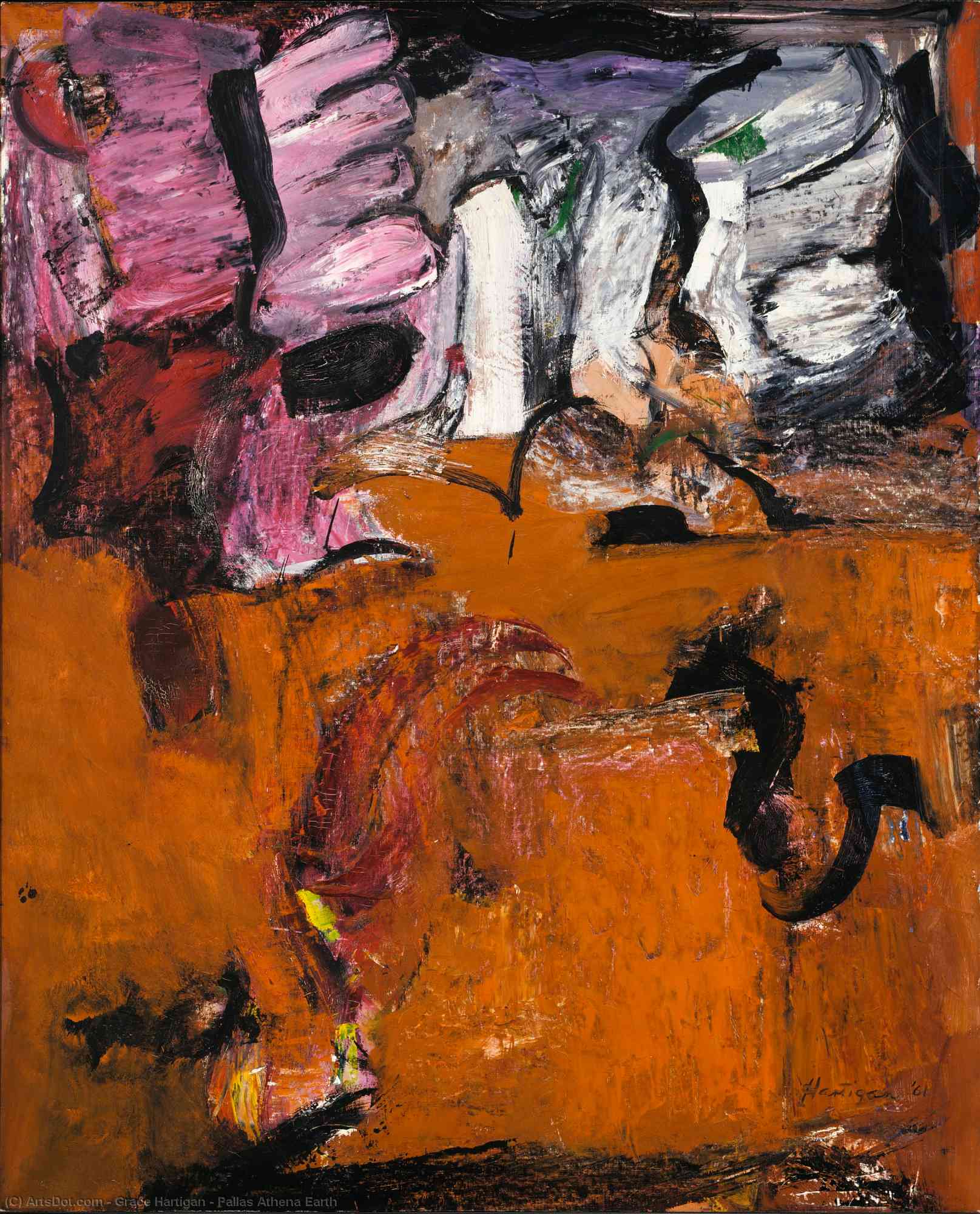
Pallas Athena Earth
 1961
1961 163.0 x 132.0 cm
 Read More
Hand Made Oil Reproduction
Hand-painted oil on canvas in your size and frame, made to order by our artists. ( Buy Print Buy Image)




































Pick from our preset sizes that match the artwork's original proportions.

You may enter your own dimensions to fit a specific frame or space. If your selected size does not match the original image's proportions, we will either crop the artwork or extend the painting with additional hand-painted elements. A digital mockup will be sent for your approval before production begins.
Please note that the on-screen preview does not reflect the actual cropping or extension. Only the mockup will accurately show the final composition.
While custom sizes are available, we recommend selecting a dimension from the predefined list to preserve the original proportions.
After order, ArtsDot.com team will email client for instructions and provide a mockup preview
Worldwide Delivery () in 3/4 weeks instead of standard 5 weeks. (20 August). No compromise on quality.

Free Worldwide Express Shipping

High-Quality Linen Canvas

Full Shipping Insurance

Customs Tax Refund Guarantee

True Color Matching Guarantee

60-Day Return Policy (Defects Only)

100% Money-Back Guarantee

Bulk Discount Offer
 Glass option is only available in size under 110 CM

Pallas Athena Earth
Reproduction Medium
Reproduction Size
-


Total Price
$ 263
Related Artworks
Artist Biography
A Restless Spirit: The Life and Art of Grace Hartigan
Grace Hartigan, born in Newark, New Jersey, in 1922, was a pivotal figure in the evolution of American art during the mid-20th century. Her journey as an artist wasn’t one of predictable progression but rather a bold exploration marked by constant reinvention and a refusal to be confined by prevailing artistic doctrines. From her early life, filled with both encouragement and reservation regarding her creative inclinations—her father and grandmother nurturing her imagination while her mother expressed doubts—Hartigan developed a fiercely independent spirit that would define her career. A youthful marriage at seventeen led to an anticipated move to Alaska, which ultimately rerouted the family to California, where Hartigan’s artistic ambitions began to take root with her husband's support. Balancing financial stability through work as an airplane factory draftsman with dedicated study under Isaac Lane Muse, she was introduced to the transformative works of Henri Matisse and Kimon Nicolaïdes’s principles of drawing, laying the foundation for her unique visual language. Famously, Hartigan declared, “I didn't choose painting. It chose me. I didn't have any talent. I just had genius,” a statement embodying both confidence and an acknowledgement of art as an irresistible force in her life.Embracing the New York School and Challenging Abstraction
The year 1945 marked Hartigan’s arrival in New York City, where she quickly immersed herself in the vibrant downtown artistic community that would become known as the New York School. She forged connections with key figures of Abstract Expressionism—Jackson Pollock, Larry Rivers, Helen Frankenthaler, Willem and Elaine de Kooning, and poet Frank O'Hara among them—absorbing their influences while simultaneously forging her own path. Early recognition came in 1950 with inclusion in the “New Talent” exhibition at Koontz Gallery, solidifying her position within this influential group of artists. Her initial works were deeply engaged with total abstraction, exemplified by pieces like “Six by Six” (1951), demonstrating a commitment to non-representational forms and color exploration. However, Hartigan’s restless spirit soon led her to question the tenets of pure abstraction. Beginning in the early 1950s, she began incorporating recognizable motifs and characters into her paintings, a move that would prove both liberating and controversial. She famously painted after works by old masters like Rubens, Dürer, and Matisse, not as imitation but as a means of dissecting space, light, form, and structure. This shift ignited a significant rift with the influential art critic Clement Greenberg, a staunch advocate for pure abstraction, leading Hartigan to deliberately distance herself from his sphere of influence.Bridal Visions, Poetic Collaborations, and Personal Memorials
Hartigan’s artistic explorations took on distinctive thematic resonance throughout her career. The “Brides” series, inspired by the mannequins in bridal shop windows along Grand Street in Manhattan, emerged as a powerful exploration of societal expectations surrounding women and marriage, culminating in celebrated works like “Grand Streets Brides” (1954). Her collaborative spirit found expression in 1952 with poet Frank O'Hara on the "Oranges" project, an innovative integration of text and image where fourteen paintings were created inspired by his poems. This collaboration highlighted her interest in interdisciplinary dialogue and the power of combining visual and literary forms. Beyond these series, Hartigan also created deeply personal “Memorial Paintings,” abstract compositions commemorating the deaths of friends and family members—Martha Jackson, Franz Kline, Frank O’Hara, her father, and Winston Price—transforming grief into a powerful artistic statement. Her 1962 painting of Marilyn Monroe offered a fragmented, semi-abstract portrayal that moved beyond the actress's public persona to capture a sense of vulnerability and inner turmoil. Later works, such as "Reisterstown Mall" (1965), demonstrated a return to recognizable imagery within an abstract framework, showcasing her continued ability to synthesize diverse artistic approaches.Legacy and Lasting Influence
Grace Hartigan stands as a key figure in the second generation of American Abstract Expressionists, building upon the foundations laid by earlier pioneers while simultaneously forging her own unique path. Her exceptional ability to seamlessly blend abstraction with figurative elements set her apart and contributed significantly to the evolution of post-war art. She was an independent voice, refusing to be constrained by prevailing trends or critical expectations, even when it meant facing opposition from influential figures like Clement Greenberg. Her bold use of color, gestural brushwork, and exploration of personal themes continue to inspire artists today. Hartigan’s legacy extends beyond her paintings; as a dedicated educator at the Maryland Institute College of Art for many years, she fostered adventurous artistic inquiry in countless young students. She challenged conventional notions of what it meant to be an artist—a woman artist—in a male-dominated field, and her work remains a testament to the power of individual vision and unwavering commitment to creative exploration. Her paintings are held in numerous major institutions, including the Museum of Modern Art, the Smithsonian American Art Museum, and the Guggenheim, ensuring that her contributions to American art will continue to be celebrated for generations to come.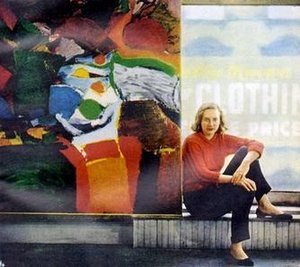
Grace Hartigan
1922 - 2008 , United States of America
Quick Facts
- Artistic Movement Or Style: Abstract Expressionism
- Artists Or Movements Influenced By This Artist:
- Post-War Art
- Pop art
- Artists Who Influenced This Artist:
- Matisse
- Kimon Nicolaïdes
- Pollock
- de Kooning
- Date Of Birth: 1922
- Date Of Death: 2008
- Full Name: Grace Hartigan
- Nationality: American
- Notable Artworks:
- Six by Six
- River Bathers
- Grand Streets Brides
- Modern Cycle
- Marilyn
- Place Of Birth: Newark, USA