 Preview
 Send
Send Share
Share
 Details

 Download
 Similars
 X-Ray
X-Ray Diaporama
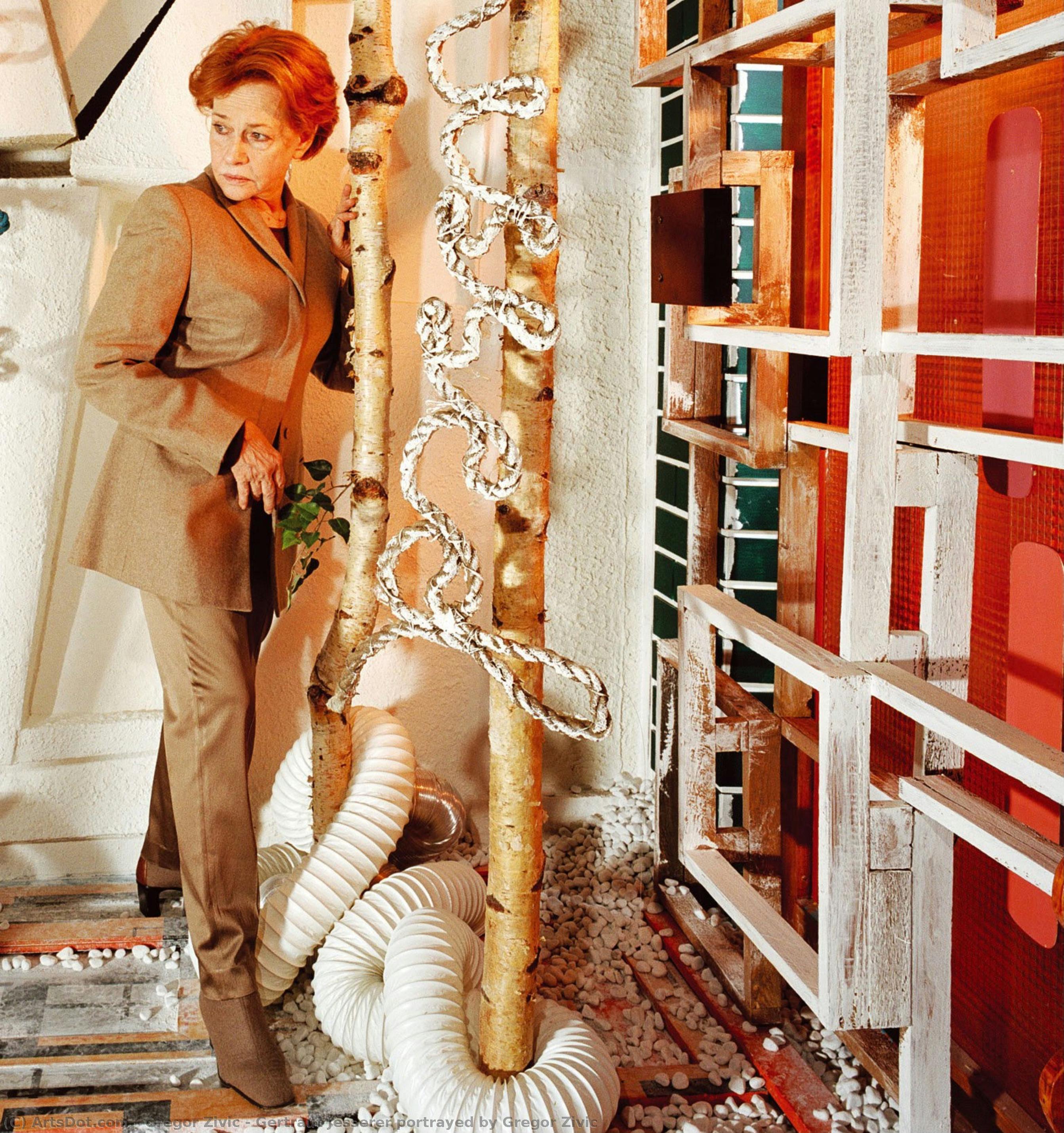
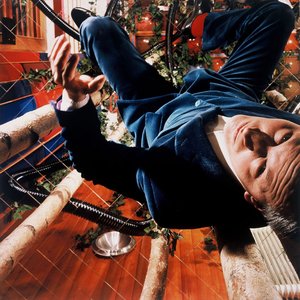
Gertraut Jesserer portrayed by Gregor Zivic
 Acrylic On Canvas
- WallArt
- Abstract Expressionism
 2006
2006- Modern
 132.0 x 125.0 cm
 Burgtheater
 Read More
Hand Made Oil Reproduction
Hand-painted oil on canvas in your size and frame, made to order by our artists. ( Buy Print Buy Image)




P118B $10

P118H $10

P118W $10

P438Z $10

P508JH $12

P508YH $12

P805H $10

P805Z $10

P919BZ $10

P919G $10

P919XJ $10

P959ZH $10

P968JZ $12

W106C $8

W218G $10

W218JH $8

W218Y $10

W307PJ $10

W316G $10

W316PJ $8

W316Y $10

W398PJ $8

W4111J $10

W500HY $15

W500JH $15

W692G $12

W849H $8

W940BG $15

W953PJ $8




Pick from our preset sizes that match the artwork's original proportions.

You may enter your own dimensions to fit a specific frame or space. If your selected size does not match the original image's proportions, we will either crop the artwork or extend the painting with additional hand-painted elements. A digital mockup will be sent for your approval before production begins.
Please note that the on-screen preview does not reflect the actual cropping or extension. Only the mockup will accurately show the final composition.
While custom sizes are available, we recommend selecting a dimension from the predefined list to preserve the original proportions.
After order, ArtsDot.com team will email client for instructions and provide a mockup preview
Worldwide Delivery () in 3/4 weeks instead of standard 5 weeks. (24 August). No compromise on quality.

Free Worldwide Express Shipping

High-Quality Linen Canvas

Full Shipping Insurance

Customs Tax Refund Guarantee

True Color Matching Guarantee

60-Day Return Policy (Defects Only)

100% Money-Back Guarantee

Bulk Discount Offer
 Glass option is only available in size under 110 CM

Gertraut Jesserer portrayed by Gregor Zivic
Reproduction Medium
Reproduction Size
-


Total Price
$ 263
Artwork Description
Gertraut Jesserer portrayed by Gregor Zivic: A Portrait of Quiet Intensity
Gregor Zivic’s “Gertraut Jesserer portrayed by Gregor Zivic” (2006) is more than a simple depiction of a woman; it's an evocative exploration of human connection and the subtle power of observation. The painting immediately draws the eye to Gertraut Jesserer herself, presented with a dignified stillness against the backdrop of a vibrant red wall – a color choice that injects a dramatic energy into the scene.
- Subject Matter: The central figure, Gertraut Jesserer, is rendered in meticulous detail. Her attire—a suit and tie—suggests a professional or perhaps even intellectual background, hinting at a personality both composed and thoughtful.
- Composition: Zivic masterfully employs the tree as a compositional anchor, its rope encircling it adding an element of restraint and perhaps even vulnerability to the scene. The two figures in the background, subtly placed, introduce a narrative layer, inviting speculation about their relationship to Gertraut and the overall context of the image.
- Color Palette: The dominant red wall creates a striking contrast with the muted tones of Jesserer’s clothing and the natural hues of the tree. This deliberate use of color amplifies the emotional impact of the painting, suggesting passion, intensity, or perhaps even warning.
The Artistic Vision of Gregor Zivic
Gregor Zivic, born in Regensburg, Austria in 1961, is a contemporary artist deeply rooted in the traditions of figurative painting while embracing a distinctly modern sensibility. His work often explores themes of human interaction and psychological depth, frequently utilizing a restrained palette and precise rendering to achieve his desired effect. Zivic’s approach reflects a broader trend within late 20th-century art – a return to representational forms after the dominance of abstract expressionism, but with a renewed focus on emotional resonance and narrative storytelling.
Influenced by masters like Rembrandt, Zivic's technique is characterized by careful attention to light and shadow, creating a sense of realism that is both captivating and subtly unsettling. The artist’s ability to capture the nuances of human expression—the slight furrow of Jesserer’s brow, the poised hand resting on the tree—demonstrates a profound understanding of the subject's inner life.
Technique and Materials
This particular reproduction is executed with exceptional skill, utilizing traditional oil painting techniques. The artist’s brushwork is precise yet fluid, allowing for subtle gradations in tone and texture. The layering of paint creates a rich depth of color and form, enhancing the three-dimensional quality of the image. The meticulous attention to detail—from the fabric of Jesserer's suit to the bark of the tree—is a testament to Zivic’s dedication to his craft.
- Medium: Oil on canvas
- Size: 132 x 125 cm – A substantial size that allows for detailed observation and creates a commanding presence.
- Hand-Painted Reproduction: This artwork is meticulously hand-painted by skilled artisans, ensuring the highest level of quality and authenticity. Each brushstroke captures the essence of Zivic’s original vision.
Symbolism and Emotional Impact
"Gertraut Jesserer portrayed by Gregor Zivic" transcends a simple portrait; it invites contemplation about themes of responsibility, connection, and perhaps even isolation. The rope around the tree could symbolize restraint, protection, or even a burden carried by Gertraut herself. The painting’s quiet intensity evokes a sense of melancholy and introspection, prompting viewers to consider the complexities of human emotion and experience.
Related Artworks



Artist Biography
Rembrandt Gladys Schmitt: A Pioneer of Color and Form in the Early 1960s
The year 1961 marks a pivotal moment, not just for the art world, but for the burgeoning movement of abstract expressionism that was rapidly redefining visual language. It’s within this vibrant context that we encounter Rembrandt Gladys Schmitt (1938-2017), an American artist whose quietly powerful work emerged from the fertile ground of mid-century abstraction and offered a unique perspective on color, form, and the human experience. While often overshadowed by more flamboyant contemporaries, Schmitt's contribution to the period is significant – she developed a distinctive style characterized by layered washes of pigment, subtle shifts in texture, and an underlying sense of meditative contemplation.
Schmitt’s early life was steeped in artistic influence. Born in 1938 in New York City, she received her initial training at the Art Students League under renowned instructors like George Inness Jr. and Hans Hofmann, both pivotal figures in shaping American abstract art. Hofmann's emphasis on color theory and his belief that “color is the language of painting” profoundly impacted Schmitt’s approach. She embraced Hofmann’s philosophy, moving beyond representational forms to explore the expressive potential of pure color and its interaction with surface. This foundational training laid the groundwork for her later explorations into layered abstraction.
The Development of a Distinctive Style
Schmitt's artistic journey wasn't marked by dramatic stylistic shifts but rather a gradual refinement of her technique and vision. During the early 1960s, she began to experiment with large-scale canvases, utilizing thin washes of acrylic paint applied in multiple layers. This layering process created a remarkable sense of depth and luminosity, as colors bled into one another and subtle textures emerged from the accumulation of pigment. Unlike some of her contemporaries who favored bold, gestural brushstrokes, Schmitt’s application was deliberate and controlled, resulting in compositions that felt both expansive and intimate.
Influences beyond Hofmann were at play. The vibrant color palettes of Matisse and the atmospheric landscapes of Turner subtly informed her work. However, Schmitt forged her own path, moving away from direct imitation and instead distilling these influences into a uniquely personal aesthetic. Her paintings often evoke a sense of quiet contemplation, inviting viewers to lose themselves in the interplay of color and form. The works of the period frequently depict ambiguous shapes and forms, suggesting landscapes or interiors without explicitly defining them – a deliberate choice that encourages individual interpretation.
Key Works and Exhibitions
While Schmitt’s output wasn't voluminous, several key paintings stand out as exemplifying her distinctive style. “Untitled (Blue Wash)” from 1962 is considered one of her most important works, showcasing the layering technique she perfected. The painting’s dominant blue tones are subtly offset by hints of pink and green, creating a complex and emotionally resonant surface. Similarly, "Red Field" (1963) demonstrates her mastery of color relationships, with layers of red pigment building to create an almost sculptural effect.
Schmitt's work was exhibited in several important group shows during the early 1960s, including the “New American Painting” exhibition at the Herbert Lehman Center for the Arts in New York City (1962) and the “Young Americans” show at the Stable Gallery (1963). These exhibitions provided a platform for emerging abstract artists like Schmitt to gain recognition within the broader art community. Despite not achieving widespread fame during her lifetime, these early showings established her as a promising talent.
Legacy and Historical Significance
Rembrandt Gladys Schmitt’s contribution to American abstract expressionism is often underestimated, yet her work deserves greater attention. She was part of a generation of artists who challenged traditional notions of painting and paved the way for subsequent developments in color field abstraction and minimalist art. Her meticulous layering technique, combined with her sensitive use of color, created paintings that are both visually arresting and deeply contemplative.
Schmitt’s legacy extends beyond her individual works; she represents a quiet but persistent voice within a dynamic period of artistic innovation. Studying her work offers valuable insight into the evolution of abstract art in the early 1960s, revealing a nuanced approach to color, form, and the exploration of inner space – a testament to her enduring artistry.
gregor zivic
1961 - , Austria
Quick Facts
- Artistic Movement Or Style: Hand-painted reproductions
- Artists Or Movements Influenced By This Artist: ['Obelisk Art History']
- Artists Who Influenced This Artist:
- Ad Reinhardt
- Faeq Hassan
- Marc Chagall
- Cy Twombly
- Bernice Bing
- Date Of Birth: 1961
- Full Name: WahooArt
- Notable Artworks:
- Abstract Painting no. 4
- Bedouins Weaving
- Chloe's Judgement
- Duo
- Hammer Noises
- Place Of Birth: WahooArt
Related Articles
Abstract Expressionism's 10 Defining Masterpieces |
Explore 10 defining Abstract Expressionism masterpieces by Pollock, Rothko & de Kooning. Discover the stories behind these iconic paintings and find museum-quality art reproductions to elevate your home decor on .
Kandinsky's Masterpieces: 25 Paintings That Define Abstract Art | ArtsDot
Journey through Wassily Kandinsky's 25 most iconic abstract paintings. Explore his revolutionary use of color, form & spiritual expressionism. Find museum-quality Kandinsky reproductions and elevate your home decor with ArtsDot.com. Discover all masterpieces on ArtsDot.com!
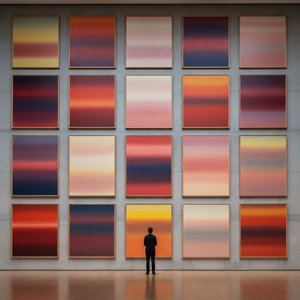
Mark Rothko's Masterpieces: 25 Paintings That Define Abstract Expressionism | ArtsDot
Explore 25 iconic Mark Rothko paintings that define Abstract Expressionism. Discover the stories, colors & emotions behind these masterpieces. Find museum-quality art reproductions and curated decor ideas at ArtsDot.com.

Geometric Abstraction's 10 Defining Masterpieces | Art for Your Home - ArtsDot
Explore 10 defining masterpieces of Geometric Abstraction! Discover Kandinsky, Mondrian & Malevich’s iconic works. Find museum-quality art reproductions and curated decor ideas to elevate your home at ArtsDot.com.
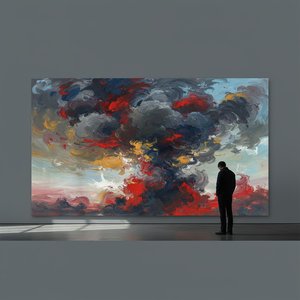
Beyond Representation: Exploring the Emotional Landscape of Abstract Expressionism
Explore the profound emotional world of Abstract Expressionism with ArtsDot. Discover key artists like Pollock & Rothko, learn about collecting, and find museum-quality reproductions to inspire your space.