 Preview
 Send
Send Share
Share
 Details

 Download
 Similars
 X-Ray
X-Ray Diaporama
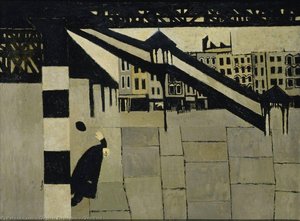
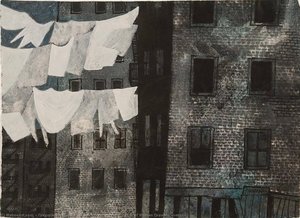
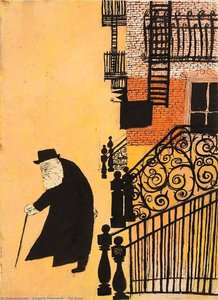
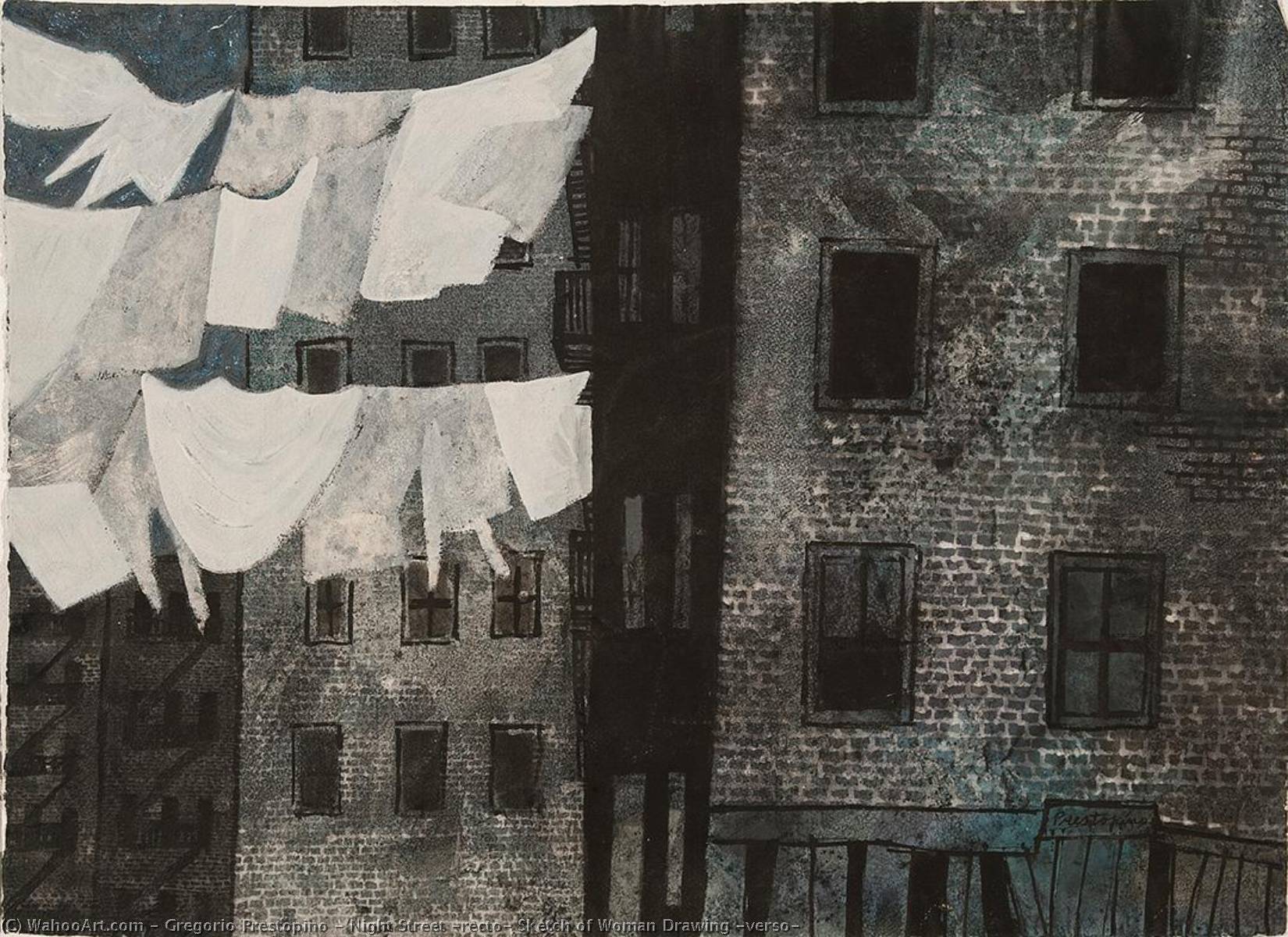
Night Street (recto) Sketch of Woman Drawing (verso)
 1956
1956 76.0 x 55.0 cm
 Read More
Giclée / Art Print
Museum-quality giclée or canvas print with fast production and flexible finish options. ( Buy Hand Made Painting Buy Image)




































Pick from our preset sizes that match the artwork's original proportions.

You may enter your own dimensions to fit a specific frame or space. If your selected size does not match the original image's proportions, we will either crop the artwork or extend the image with a mirrored or solid-fill edge. A digital mockup will be sent for your approval before production begins.
Please note that the on-screen preview does not reflect the actual cropping or extension. Only the mockup will accurately show the final composition.
While custom sizes are available, we recommend selecting a dimension from the predefined list to preserve the original proportions.
Worldwide Delivery () in 2 weeks instead of standard 4/5 weeks. (3 September)

Free Worldwide Express Shipping

High-Quality Linen Canvas

Full Shipping Insurance

Customs Tax Refund Guarantee

True Color Matching Guarantee

60-Day Return Policy (Defects Only)

100% Money-Back Guarantee

Bulk Discount Offer
 Glass option is only available in size under 110 CM

Night Street (recto) Sketch of Woman Drawing (verso)
Giclée / Art Print
Reproduction Size
-


Total Price
$ 63
Related Artworks








Artist Biography
The Soul of the City: The Life and Legacy of Gregorio Prestopino
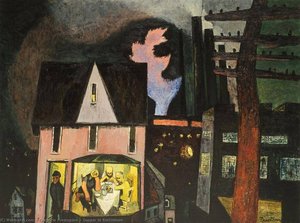
In the vibrant, crowded streets of New York City’s Little Italy, a profound artistic vision began to take shape. Born in 1907 to Italian immigrants Antonino Prestopini and Letteria Rando, Gregorio Prestopino was destined to become one of the most poignant chroniclers of the American urban experience. His early years were marked by a precocious talent that earned him a scholarship to the prestigious National Academy of Design. It was here, under the mentorship of figures like Charles Hawthorne, that Prestopino developed a rigorous foundation in observation. This training did more than teach him how to render form; it instilled in him a deep reverence for the minute details of life, a quality that would later allow him to transform the mundane activities of city dwellers into profound meditations on the human condition.
As his style matured, Prestopino moved away from the soft edges of Impressionism toward the gritty, unvarnished truth of Social Realism. He found kinship with the Ashcan School, drawing inspiration from the unflinching depictions of laborers and marginalized communities seen in the works of Reginald Marsh. His canvases became windows into the heart of the Great Depression, capturing the heavy atmosphere of industrial life and the quiet dignity of the working class. In masterpieces such as Mill Workers, created in 1939, he utilized the textured depth of gouache to portray the collective spirit of those gathered outside factory gates, blending a sense of social urgency with an intimate, almost tender, observation of everyday struggle.
A Mastery of Light and Shadow
The trajectory of Prestopino’s career reached a transformative milestone in 1972 when he was awarded the prestigious Rome Prize. This period of immersion in European art history allowed him to refine his technical command, particularly through the study of chiaroscuro. By mastering the dramatic interplay between light and shadow, he infused his later works with a theatrical intensity that elevated his subjects beyond mere reportage. Whether painting a bustling street scene or a solitary figure, Prestopino used light to sculpt emotion, creating a sense of depth that was both physical and psychological.
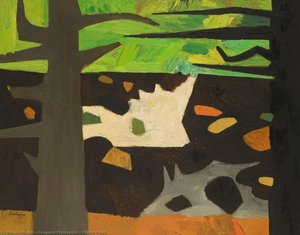
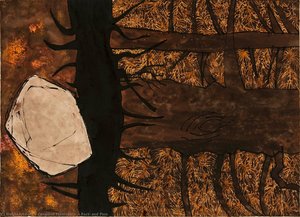
His artistic evolution also saw him embracing more expressive modes, blending the boundaries between realism and modernism. In works like Brown Brook, one can witness a shift toward bolder colors and geometric forms, where the energy of Expressionism meets a structured, modern sensibility. This versatility allowed him to remain relevant across decades of shifting aesthetic trends, moving from the stark social commentary of the 1930s to the more complex, textured landscapes of his later years.
The Harlem Studio and Historical Significance
Perhaps the most evocative chapter of Prestopino’s life was his time spent in Harlem. Establishing a studio in this culturally rich neighborhood, he became an integral part of the local artistic fabric. His presence was so deeply felt that filmmakers John Hubley and Faith Elliot famously captured the immediacy of his process in the film Harlem Wednesday, documenting the artist as he worked directly before his canvases. This period solidified his reputation as a painter who did not merely observe the city from a distance but lived within its pulse, capturing the very essence of urban humanity.
Prestopino’s significance lies in his refusal to abandon the human image during an era when much of the art world was turning toward total abstraction. Alongside contemporaries like Ben Shahn and Philip Evergood, he championed a way of seeing that honored the figure and the social reality it inhabited. His legacy is preserved in the permanent collections of institutions such as the Smithsonian American Art Museum, where his works continue to resonate with their characteristic warmth, honesty, and enduring truth.
gregorio prestopino
1907 - 1984
Quick Facts
- Artistic Movement Or Style: American Realism; Expressionism
- Artists Or Movements Influenced By This Artist:
- Ben Shahn
- Philip Evergood
- Artists Who Influenced This Artist:
- Charles Hawthorne
- French Impressionists
- Date Of Birth: June 21, 1907
- Date Of Death: December 19, 1984
- Full Name: Gregorio Prestopino
- Nationality: American
- Notable Artworks:
- Mill Workers
- Grey Wind
- Supper in Bethlehem
- Place Of Birth: New York City, United States