

 Preview
 Send
Send Share
Share
 Details

 Download
 Similars
 X-Ray
X-Ray Diaporama
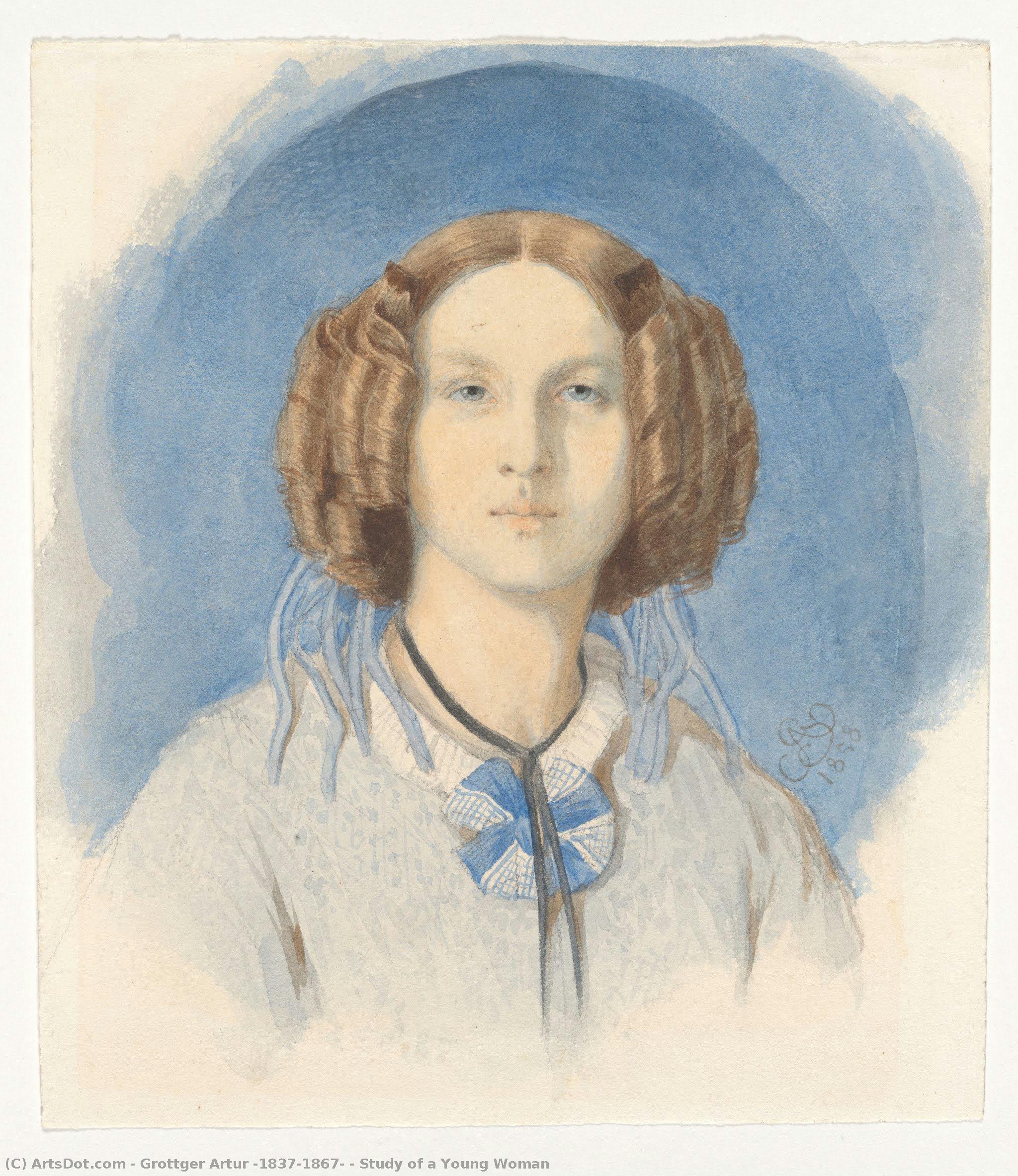
Study of a Young Woman


 Read More
Purchase a high-resolution, enhanced digital image, far superior to the online preview.
Each file is meticulously prepared by our in-house specialists using advanced tools and expert manual retouching. We ensure every image has exceptional clarity, precise color accuracy, and fine detail.
The final file is delivered via email within 72 hours, optimized for immediate use in professional, editorial, and print environments. This is the same quality trusted by top-tier design studios, publishers, and galleries.
Digital Image
Download a high-resolution file for personal display, printing, and creative projects. ( Buy Print Buy Hand Made Painting)
Included in Every Digital Image Order
Expert Digital Delivery, Guaranteed
When you choose ArtsDot.com, you're not just getting an image - you're receiving a professionally enhanced digital artwork, crafted with precision and backed by a satisfaction guarantee. Here's everything that comes with your order, automatically:

Fast Email Delivery
Your high-resolution digital image file will be emailed to you within 72 hours of ordering - ready for immediate use.

AI-Enhanced Digital File
Your artwork is professionally optimized using advanced AI tools and manual editing, ensuring maximum detail, clarity, and color accuracy.

Free Lifetime Re-Delivery
Accidentally deleted or lost your file? No worries - we'll resend it to you anytime, free of charge.

No Import Fees - Ever
Enjoy your artwork instantly with zero customs, duties, or delivery fees - digital downloads are always tax-free.

Color Accuracy Guarantee
We ensure your digital image reflects the original colors as closely as possible using professional tools and color management.

60-Day Satisfaction Guarantee
If you're not satisfied with your digital image, we'll revise it or refund 100% within 60 days - no questions asked.

100% Money-Back Guarantee
Not satisfied? Get a full refund within 60 days of receiving your digital file - no questions asked.

Bulk Order Discounts
Buy 3 images, save 10% - Buy 5, save 15% - Buy 10+, save 20%. Great for creative projects, galleries, and agencies.
A Portrait of Quiet Intensity: Unveiling Artur Grottger’s “Study of a Young Woman”
Artur Grottger's "Study of a Young Woman," painted in 1863, is not merely a depiction of a face; it’s a profound meditation on vulnerability, observation, and the subtle complexities of human emotion. Born in Ukraine amidst the turmoil of the partitions of Poland, Grottger’s life was tragically cut short at just 30 years old, yet his artistic legacy endures through works like this – pieces imbued with an arresting stillness and a haunting sense of introspection. The painting immediately draws the viewer in with its stark simplicity: a young woman, rendered in muted tones of blue and brown, dominates the canvas. Her gaze is direct, unwavering, holding a quiet intensity that feels both challenging and deeply melancholic.
Grottger’s style aligns closely with late Romanticism, inheriting the movement's emphasis on emotional depth and dramatic lighting while forging his own distinctive path. Influenced by Caspar David Friedrich’s evocative landscapes and the introspective nature of German art, Grottger masterfully employs chiaroscuro – a technique of strong contrasts between light and dark – to sculpt the figure’s face and create an atmosphere of profound solitude. The background is deliberately devoid of detail, pushing the focus entirely onto the subject's expression and posture. This deliberate reduction serves not to diminish the painting but rather to amplify its emotional resonance.
The Weight of Observation: Symbolism and Context
Beyond a simple portrait, “Study of a Young Woman” is laden with symbolic weight. The woman’s severe expression – a subtle furrow in her brow, a slight downturn of the mouth – suggests a burden carried within. Considering Grottger's own life, marked by illness and early death, this interpretation gains further depth. The painting was created during a period of immense political upheaval in Poland, a nation struggling for its identity amidst foreign powers. This context informs the work’s quiet dignity; it speaks to resilience and the preservation of inner strength in the face of adversity.
Furthermore, the woman's attire – a simple blue ribbon around her neck – is not overtly symbolic but contributes to the overall sense of understated elegance. It hints at a restrained beauty, suggesting a life lived with quiet grace despite potential hardships. The painting’s composition, reminiscent of Dutch Golden Age portraiture yet imbued with Romantic sensibilities, reflects Grottger's diverse artistic influences and his desire to transcend traditional conventions.
A Masterpiece in Miniature: Technique and Legacy
Grottger’s technical skill is evident in the meticulous detail he applies to the woman’s face. Each line, each shadow, contributes to a remarkably lifelike portrayal that transcends mere representation. The artist's use of oil paint allows for subtle gradations of tone, creating a sense of texture and depth rarely achieved in earlier portrait styles. The painting’s small size – approximately 23 x 18 centimeters – adds to its intimacy, inviting the viewer to engage with the subject on a deeply personal level.
Today, “Study of a Young Woman” resides within the collections of major museums worldwide, including the Metropolitan Museum of Art in New York. It stands as a testament to Grottger’s artistic genius and his ability to capture the essence of human experience with remarkable sensitivity. Reproductions of this poignant portrait offer a window into a bygone era, inviting us to contemplate the enduring power of art to evoke emotion and provoke reflection.
Related Artworks
Artist Biography
Early Life and Education
- Born: November 11, 1837, in Otynevychi, Ukraine
- Died: December 13, 1867, in Amélie-les-Bains, France
- His father, Jan Józef Grottger, was a Polish officer and amateur artist.
- Received initial drawing lessons from his father.
- Studied under Jan Kanty Maszkowski in Lviv (1849).
- Attended the School of Fine Arts in Kraków (1852-1854) with Wojciech Korneli Stattler and Władysław Łuszczkiewicz.
Career and Artistic Development
- Studied at the Academy of Fine Arts in Vienna (1854-1859) under Karl Blaas, Karl Mayer, Karl Wurzinger, Peter Geiger, and Christian Ruben.
- Worked as an illustrator for newspapers like Mussustunden and Illustrierte Zeitung in Vienna.
- Traveled extensively throughout Europe, including Munich, Venice, and Hungary, supported by Count Alexander von Pappenheim.
- Developed a distinctive style characterized by late Romanticism, influenced by Caspar David Friedrich.
- Created series of patriotic drawings depicting the January Uprising (1863) and its aftermath: Warszawa I (1861), Warszawa II (1862), Polonia (1863), and Lituania (1864-1866).
- Worked on the series *Wojna* (War) in 1866, intended for the International Exposition of 1867 in Paris.
Major Works and Artistic Significance
- Warszawa I & II: Depict scenes from the November Uprising and its consequences.
- Polonia: A powerful representation of Polish national identity and suffering.
- Lituania: Explores themes of Lithuanian history and culture within a Polish context.
- Wojna (War): A series of drawings examining the horrors and moral decay caused by war, intended for international exhibition.
- His works are considered foundational to Polish martyrological iconography, shaping national memory and aspirations.
Influences and Legacy
- Caspar David Friedrich: Influenced his romantic sensibility and use of landscape.
- Jan Maszkowski & Juliusz Kossak: Early mentors who provided foundational artistic training.
- Count Alexander von Pappenheim: A significant patron who supported Grottger's travels and career.
- His art significantly contributed to the development of Polish Romanticism.
- Grottger’s works are now housed in museums such as the Leopold Museum in Vienna, Austria.
- He remains a celebrated figure in Polish art history for his patriotic themes and artistic skill.
Personal Life and Later Years
- In 1866, he became engaged to Wanda Monné, who served as his muse.
- His deteriorating health led him to Pau, France, where he died in 1867 at the age of 30.
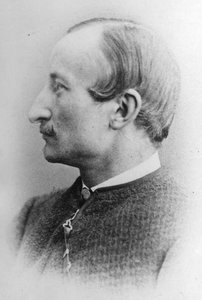
grottger artur (1837-1867)
1837 - 1867 , Ukraine
Quick Facts
- Artistic Movement Or Style: Late Romanticism
- Artists Who Influenced This Artist:
- Jan Kanty Maszkowski
- Hubert Robert
- Thomas Wyck
- Jan Miel
- Alexander Clarot
- Date Of Birth: 11 November 1837
- Date Of Death: 13 December 1867
- Full Name: Artur Grottger
- Nationality: Polish
- Notable Artworks:
- Dirck Hals: The Solo
- Warszawa I
- Warszawa II
- Polonia
- Lituania
- Place Of Birth: Ohtinivka, Ukraine

