 Preview
 Send
Send Share
Share
 Details

 Download
 Similars
 X-Ray
X-Ray Diaporama
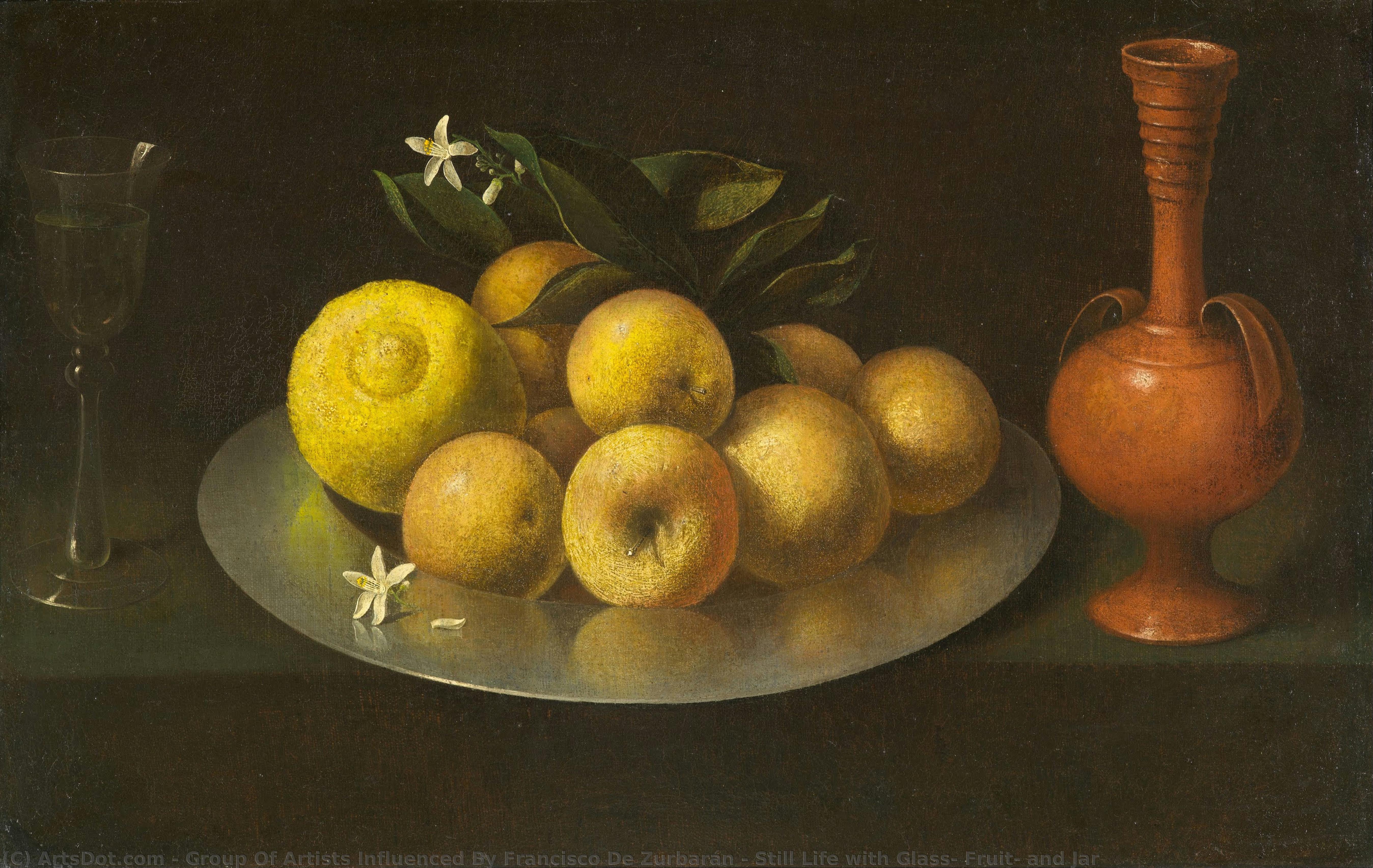
Still Life with Glass, Fruit, and Jar
 62.0 x 39.0 cm
 Read More
Hand Made Oil Reproduction
Hand-painted oil on canvas in your size and frame, made to order by our artists. ( Buy Print Buy Image)




































Pick from our preset sizes that match the artwork's original proportions.

You may enter your own dimensions to fit a specific frame or space. If your selected size does not match the original image's proportions, we will either crop the artwork or extend the painting with additional hand-painted elements. A digital mockup will be sent for your approval before production begins.
Please note that the on-screen preview does not reflect the actual cropping or extension. Only the mockup will accurately show the final composition.
While custom sizes are available, we recommend selecting a dimension from the predefined list to preserve the original proportions.
After order, ArtsDot.com team will email client for instructions and provide a mockup preview
Worldwide Delivery () in 3/4 weeks instead of standard 5 weeks. (1 September). No compromise on quality.

Free Worldwide Express Shipping

High-Quality Linen Canvas

Full Shipping Insurance

Customs Tax Refund Guarantee

True Color Matching Guarantee

60-Day Return Policy (Defects Only)

100% Money-Back Guarantee

Bulk Discount Offer
 Glass option is only available in size under 110 CM

Still Life with Glass, Fruit, and Jar
Reproduction Medium
Reproduction Size
-


Total Price
$ 263
Related Artworks








Artist Biography
Echoes of Devotion: The Group of Artists Influenced by Francisco de Zurbarán
The story of this collective – a “Group of Artists Influenced by Francisco de Zurbarán” – isn’t one of shared studios or manifestos, but rather a compelling resonance. It's the tale of painters across Spain and beyond who absorbed the profound spiritual intensity and austere realism of the master, Francisco de Zurbarán (1598-1664), and translated his vision into their own unique expressions. To understand this group is to appreciate the enduring power of artistic legacy, a ripple effect emanating from one exceptional talent. Zurbarán, working primarily in Seville during the Spanish Golden Age, established a style characterized by dramatic chiaroscuro – stark contrasts between light and shadow – and an almost photographic precision in depicting textures, particularly fabrics and flesh. His subjects were overwhelmingly religious: monks, saints, martyrs, and scenes from the lives of Christ and the Virgin Mary. He wasn’t merely *representing* faith; he was attempting to embody it on canvas, conveying a sense of profound humility, contemplation, and even mystical experience. This commitment to spiritual depth became the defining characteristic that subsequent artists sought to emulate.The Seeds of Influence: Zurbarán's Artistic World
Zurbarán’s impact wasn’t immediate or widespread during his lifetime. While respected by his patrons – primarily monastic orders – he didn’t cultivate a large workshop in the manner of other prominent artists like Velázquez. His influence grew posthumously, spreading through engravings of his works and the dissemination of his style via traveling painters and students. The early adopters were largely located in Andalusia, the region where Zurbarán himself flourished. These artists weren't slavish imitators; they selectively absorbed elements of his technique and aesthetic. They admired his ability to render the weight and volume of figures, his masterful use of light to create a sense of drama and focus, and – crucially – his capacity to evoke an atmosphere of solemnity and piety. The Carthusian monks, for example, were particularly devoted patrons of Zurbarán, commissioning numerous paintings for their monasteries. Artists who worked on commissions for similar religious institutions naturally encountered his style and incorporated it into their own work. Beyond Andalusia, the influence extended to painters in Madrid, Valencia, and even further afield, demonstrating the reach of his artistic principles.Distinct Voices, Shared Reverence: Characteristics of the Group
Identifying members of this “group” is a nuanced undertaking. It’s not about strict stylistic conformity but rather a discernible *tendency* towards Zurbarán-esque qualities. Several key characteristics unite these artists:- Chiaroscuro: A pronounced use of dramatic light and shadow, often focusing attention on the central figure or subject matter.
- Realism and Detail: An emphasis on accurate representation, particularly in textures – clothing, skin, wood grain – mirroring Zurbarán’s meticulous approach.
- Religious Subject Matter: A preference for depicting scenes from the Bible, lives of saints, and monastic life, reflecting Zurbarán's core focus.
- Somber Palette: A tendency towards darker, earthier tones – browns, blacks, ochres – creating a sense of gravity and restraint.
- Psychological Intensity: An attempt to convey the inner emotional states of their subjects, often through facial expressions and body language.
Beyond Technique: The Enduring Legacy
The significance of this group lies not just in their technical skill but also in their contribution to preserving and extending a particular artistic vision. In an era marked by Baroque exuberance, these artists championed a more restrained and contemplative aesthetic. They understood that true spiritual power wasn’t necessarily found in elaborate ornamentation or dynamic compositions, but rather in the quiet dignity of faith and the raw honesty of human experience. Their work served as a visual counterpoint to the more theatrical styles prevalent at the time, offering an alternative path for artists seeking to express religious devotion. Furthermore, their continued engagement with Zurbarán’s legacy ensured that his artistic principles remained relevant long after his death. They helped to shape the development of Spanish painting in the 17th and 18th centuries, influencing generations of artists who sought to capture the essence of faith on canvas. The “Group of Artists Influenced by Francisco de Zurbarán” represents a powerful testament to the enduring power of artistic inspiration and the profound impact one master can have on the course of art history.
Quick Facts
- Artistic Movement Or Style: Spanish Baroque painting
- Artists Who Influenced This Artist: ['Francisco De Zurbarán']
- Date Of Death: Living
- Full Name: Group Of Artists Influenced By Francisco De Zurbarán