 Preview
 Send
Send Share
Share
 Details

 Download
 Similars
 X-Ray
X-Ray Diaporama
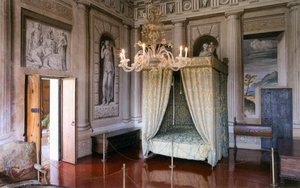
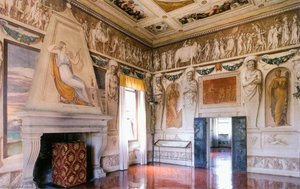
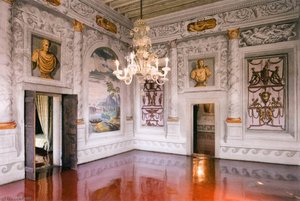
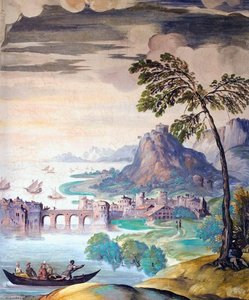
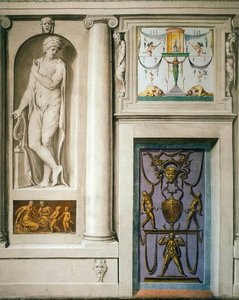
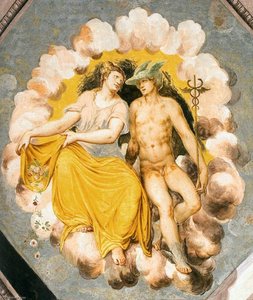
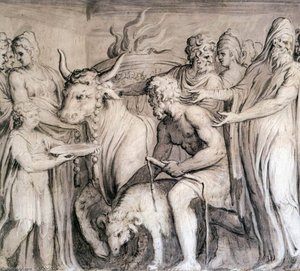
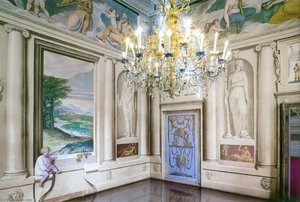
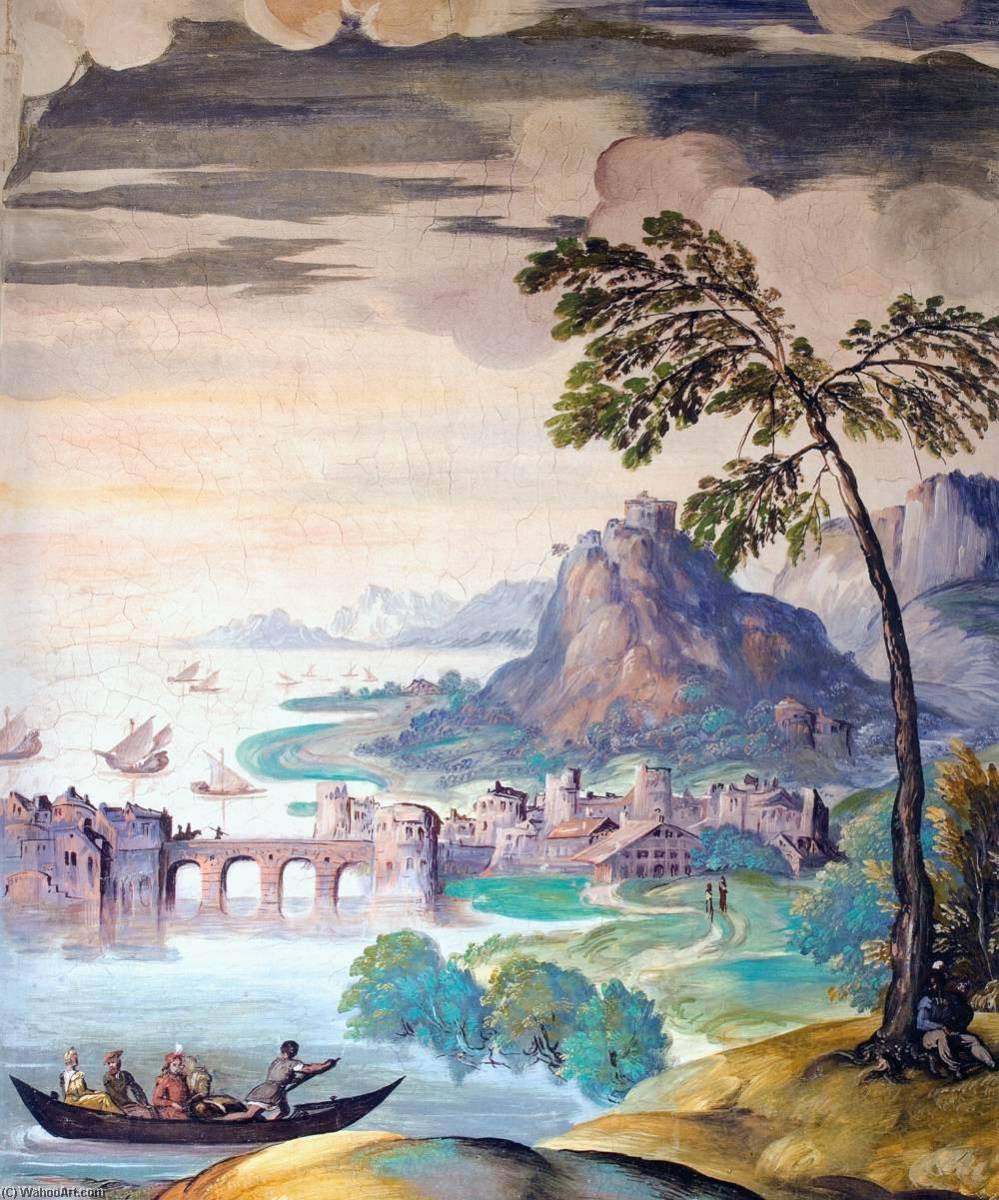
Hall of the Caesars (detail)

 Read More
Giclée / Art Print
Museum-quality giclée or canvas print with fast production and flexible finish options. ( Buy Hand Made Painting Buy Image)




































Pick from our preset sizes that match the artwork's original proportions.

You may enter your own dimensions to fit a specific frame or space. If your selected size does not match the original image's proportions, we will either crop the artwork or extend the image with a mirrored or solid-fill edge. A digital mockup will be sent for your approval before production begins.
Please note that the on-screen preview does not reflect the actual cropping or extension. Only the mockup will accurately show the final composition.
While custom sizes are available, we recommend selecting a dimension from the predefined list to preserve the original proportions.
Worldwide Delivery () in 2 weeks instead of standard 4/5 weeks. (29 August)

Free Worldwide Express Shipping

High-Quality Linen Canvas

Full Shipping Insurance

Customs Tax Refund Guarantee

True Color Matching Guarantee

60-Day Return Policy (Defects Only)

100% Money-Back Guarantee

Bulk Discount Offer
 Glass option is only available in size under 110 CM

Hall of the Caesars (detail)
Giclée / Art Print
Reproduction Size
-


Total Price
$ 63
Related Artworks









Artist Biography
A Visionary of Mannerist Splendor
Gualtiero Padovano, born circa 1510 in the historic city of Padova, stands as a pivotal figure within the Venetian Renaissance and remains arguably its most ambitious practitioner of the Mannerist style. While history often casts the long shadows of contemporaries like Titian and Tintoretto over the era, Padovano carved out a unique legacy through his monumental frescoes that redefined the boundaries of scale and psychological intensity. His life, though relatively brief, was marked by an unwavering dedication to artistic grandeur, transforming the walls of the most sacred spaces in Rome into theaters of cosmic drama.
The foundations of Padovano’s artistry were laid deep within the intellectual soil of humanist scholarship. His formative years at Padova University, where he immersed himself in the study of theology and philosophy alongside luminaries such as Andrea Palladio, provided him with a profound understanding of classical ideals. This rigorous academic training instilled in him a meticulous approach to observation and a sophisticated grasp of perspective. It was this rare marriage of theological depth and artistic precision that allowed him to move beyond mere decoration, enabling him to translate complex spiritual and mythological narratives into visually arresting compositions characterized by masterful chiaroscuro and dramatic tension.
The Majesty of the Vatican Frescoes
The zenith of Padovano’s career arrived with his prestigious commission for the Vatican, a task that would catapult him to international prominence. Tasked with decorating the Hall of the Gods and the Hall of the Sacrifices under the patronage of Pope Paul III in 1546, he embarked on what is widely considered his magnum opus. In these halls, Padovano moved away from the harmonious, idealized beauty of the High Renaissance, instead embracing the unsettling distortions and elongated forms that define Mannerism. His work sought to evoke a sense of cosmic awe and psychological depth, often utilizing complex mythological narratives drawn from the works of Hesiod and Virgil.
In the Hall of the Gods, Padovano’s brush captured scenes of divine confrontation and primal creation. He utilized the architecture of the room to enhance the illusion of movement, creating a sense of swirling energy that seemed to break free from the stone surfaces. His ability to weave together intricate theological concepts with visceral, often violent imagery created an atmosphere of profound spiritual weight. This period of his work represents a deliberate stylistic departure, where the goal was not to replicate reality, but to manipulate it—using unsettling proportions and vibrant, sometimes jarring color palettes to stir the soul of the viewer.
Legacy and Artistic Significance
Beyond the Vatican, Padovano’s influence resonated through the great villas and palazzos of Northern Italy. His work in the Hall of the Triumphs at Villa Godi Malinverni showcases his ability to blend classical elegance with the burgeoning Mannerist spirit, decorating spaces that would become landmarks of Venetian architectural history. His mastery extended to various subjects, from the allegorical depictions of virtue to the intricate details of mythological deities, always maintaining a signature sense of drama and movement.
The historical significance of Gualtiero Padovano lies in his role as an innovator who bridged the gap between the balanced stability of the Renaissance and the expressive, often turbulent energy of the Mannerist period. His contributions to the art of fresco painting remain a testament to a period of intense intellectual and creative transformation. To study Padovano is to witness the moment when art began to look inward, exploring the complexities of human emotion and the terrifying beauty of the divine through a lens of deliberate, masterful distortion.
gualtiero padovano
1510 - 1552
Quick Facts
- Artistic Movement Or Style: Mannerist Fresco
- Date Of Birth: ca. 1510
- Date Of Death: 1552
- Full Name: Gualtiero Padovano
- Nationality: Italian
- Notable Artworks:
- Hall of the Triumphs (detail)
- Ceiling in the Loggia (detail)
- Hall of the Sacrifices (detail)
- Place Of Birth: Padova, Italy