 Preview
 Send
Send Share
Share
 Details

 Download
 Similars
 X-Ray
X-Ray Diaporama
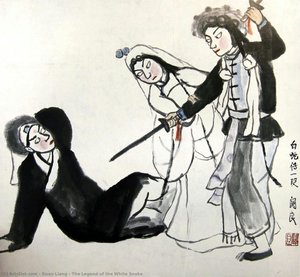
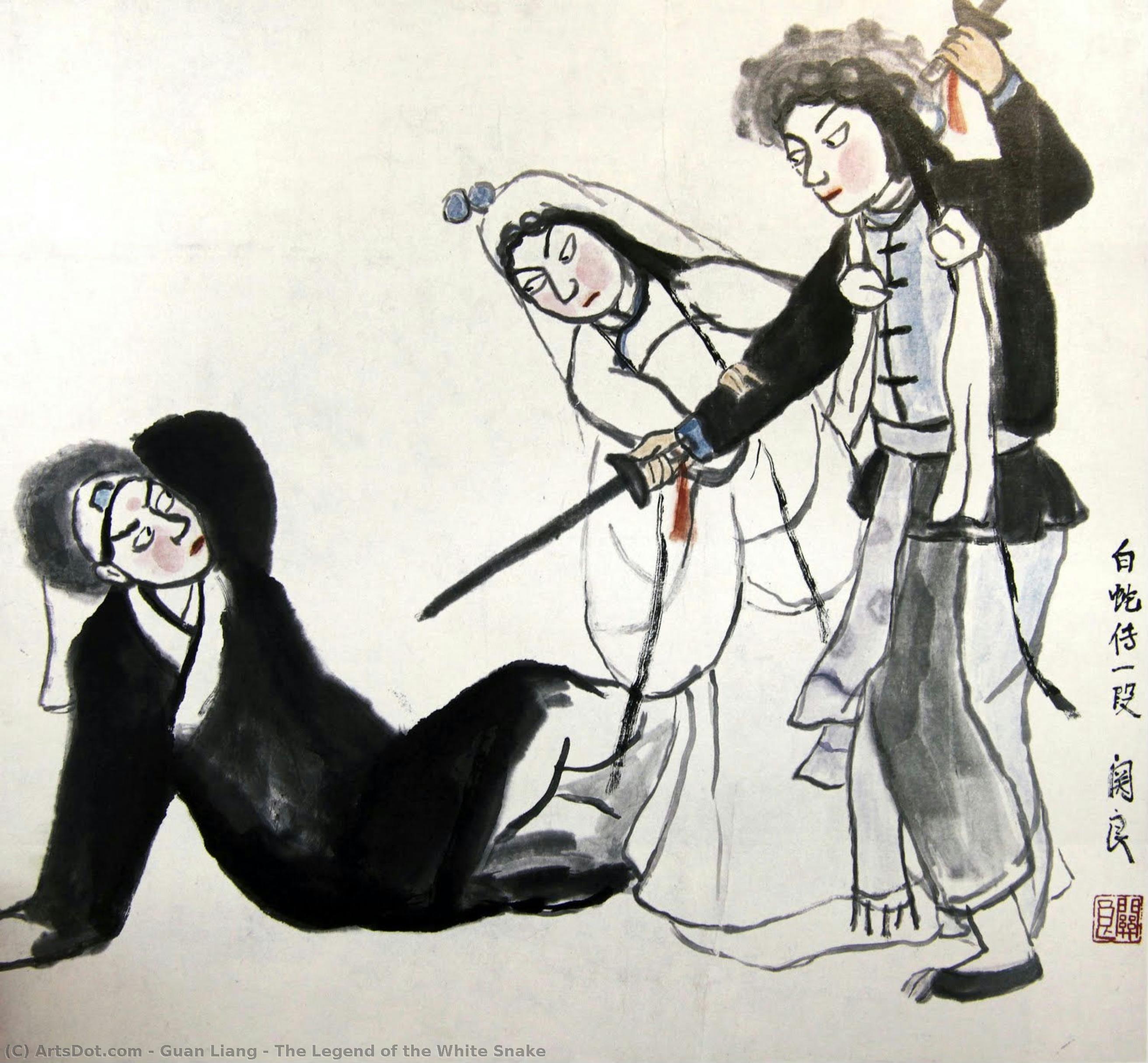
The Legend of the White Snake

 Read More
Giclée / Art Print
Museum-quality giclée or canvas print with fast production and flexible finish options. ( Buy Hand Made Painting Buy Image)




































Pick from our preset sizes that match the artwork's original proportions.

You may enter your own dimensions to fit a specific frame or space. If your selected size does not match the original image's proportions, we will either crop the artwork or extend the image with a mirrored or solid-fill edge. A digital mockup will be sent for your approval before production begins.
Please note that the on-screen preview does not reflect the actual cropping or extension. Only the mockup will accurately show the final composition.
While custom sizes are available, we recommend selecting a dimension from the predefined list to preserve the original proportions.
Worldwide Delivery () in 2 weeks instead of standard 4/5 weeks. (23 August)

Free Worldwide Express Shipping

High-Quality Linen Canvas

Full Shipping Insurance

Customs Tax Refund Guarantee

True Color Matching Guarantee

60-Day Return Policy (Defects Only)

100% Money-Back Guarantee

Bulk Discount Offer
 Glass option is only available in size under 110 CM

The Legend of the White Snake
Giclée / Art Print
Reproduction Size
-


Total Price
$ 63
Collectible Description
Related Artworks




Artist Biography
Guan Liang: Pioneer of Peking Opera Ink Wash Painting
Guan Liang (關良), born in Panyu, Guangdong province in 1900, stands as a pivotal figure in the history of Chinese art – specifically recognized for his groundbreaking fusion of Western painting techniques with traditional ink wash painting, primarily focused on depictions of Peking opera characters. He wasn’t merely an artist; he was a cultural ambassador who bridged artistic traditions and propelled them into a new era.- Early Life & Education: Guan Liang's formative years were spent in Tokyo, Japan, where he pursued intensive studies under Fujishima Takeji, mastering the principles of oil painting – a discipline largely absent from Chinese art at the time. This exposure to Western aesthetics profoundly shaped his artistic vision and would later inform his innovative approach.
- Return to China & Artistic Beginnings: Upon returning to China in 1922, Guan Liang established himself as a teacher at Shanghai Fine Arts School and the National Academy of Art (now China Academy of Art), nurturing generations of aspiring artists. He quickly gained recognition for his talent and dedication to preserving Chinese artistic heritage.
- The Northern Expedition & Artistic Activism: A fervent patriot, Guan Liang joined the Northern Expedition in 1927 against the warlords, serving as Arts and Publicity Director for the expedition army. This involvement instilled in him a deep understanding of social responsibility and fueled his commitment to artistic expression as a tool for cultural advancement.
- Recognition & Exhibitions: Guan Liang’s artistic reputation soared throughout the 1930s and 40s, culminating in his debut solo exhibition in Chengdu, Sichuan province in 1940. Notably, he was selected by the government to participate in the Berlin Arts Institute Exhibition in East Germany in 1957, showcasing China’s artistic achievements on an international stage.
- Shanghai Years & Legacy: Guan Liang settled in Shanghai in the 1960s, establishing a prolific career and becoming Vice Chairman of the Shanghai Branch of the Chinese Artists Association. He continued his scholarly pursuits at Shanghai Jiaotong University as Director of the Art Research Office, cementing his role as an influential educator and researcher. His enduring contribution to Chinese art was commemorated by a memorial exhibition at the Shanghai Art Museum in 1987.
The Innovation of Peking Opera Representation
Guan Liang’s artistic breakthrough came from recognizing the potential for Western painting methods to revitalize traditional ink wash painting—specifically its ability to capture the dynamism and expressive nuances of Peking opera performances. Unlike previous artists who primarily focused on static portraits or landscapes, Guan Liang sought to convey the emotional intensity and dramatic storytelling inherent in these theatrical productions. He achieved this remarkable feat by meticulously studying Peking Opera costumes, makeup, and gestures, translating them into detailed ink wash compositions that captured their essence with unprecedented accuracy and artistry.- “Stealing the Royal Horse” (盜御馬): This iconic work exemplifies Guan Liang’s mastery of technique and his dedication to portraying opera characters with profound psychological depth. The painting skillfully utilizes tonal variations and brushstrokes to convey the urgency and drama of the scene, capturing the emotional turmoil experienced by its protagonists.
- “Farewell to My Concubine” (霸王別姬): Arguably Guan Liang’s most celebrated masterpiece, “Farewell to My Concubine” is considered a seminal achievement in Peking Opera ink wash painting. The composition brilliantly captures the poignant farewell between Xiang Yu and Liu Bang, conveying their sorrowful emotions through masterful brushwork and evocative color palettes.
Influence & Historical Significance
Guan Liang’s pioneering approach irrevocably altered the trajectory of Chinese ink wash painting, establishing him as the first artist to successfully integrate Western techniques into this venerable tradition. His work served as an inspiration for subsequent generations of artists and solidified Peking Opera's place in the canon of Chinese art history. Guan Liang’s legacy extends beyond his artistic creations; he championed cultural preservation and fostered a dialogue between Eastern and Western artistic philosophies, leaving an indelible mark on China’s cultural landscape. He was also featured in “Noted Painters at the China Art Museum” showcasing his contribution to modern chinese painting.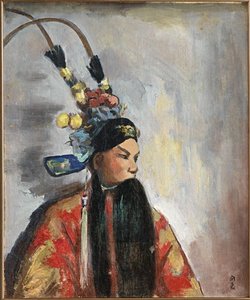
Guan Liang
1900 - 1986 , China
Quick Facts
- Artistic Movement Or Style: Ink Wash Painting
- Artists Or Movements Influenced By This Artist: ['Peking Opera']
- Artists Who Influenced This Artist: ['Fujishima Takeji']
- Date Of Birth: 1900
- Date Of Death: 1986
- Full Name: Guan Liang
- Nationality: Chinese
- Notable Artworks:
- Stealing the Royal Horse
- Farewell to My Concubine
- Place Of Birth: Panyu, China