

 Preview
 Send
Send Share
Share
 Details

 Download
 Similars
 X-Ray
X-Ray Diaporama
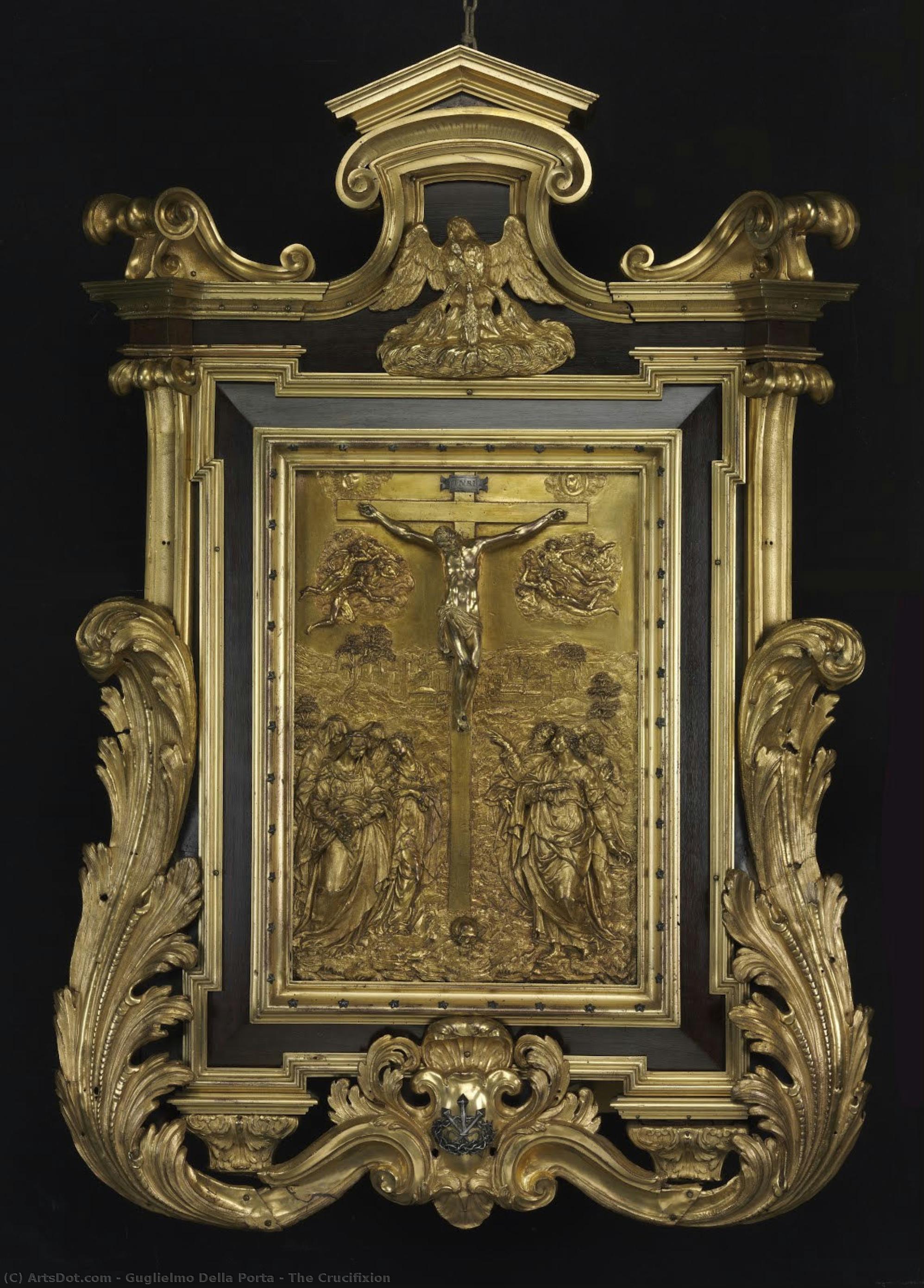
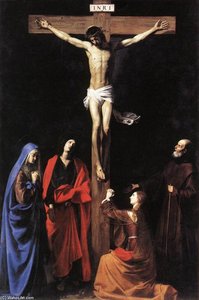
The Crucifixion
 Oil
Oil- WallArt
- Mannerism
 1600
1600- Renaissance
 92.0 x 69.0 cm
 Museum of Fine Arts
 Read More
Purchase a high-resolution, enhanced digital image, far superior to the online preview.
Each file is meticulously prepared by our in-house specialists using advanced tools and expert manual retouching. We ensure every image has exceptional clarity, precise color accuracy, and fine detail.
The final file is delivered via email within 72 hours, optimized for immediate use in professional, editorial, and print environments. This is the same quality trusted by top-tier design studios, publishers, and galleries.
Digital Image
Download a high-resolution file for personal display, printing, and creative projects. ( Buy Print Buy Hand Made Painting)
Included in Every Digital Image Order
Expert Digital Delivery, Guaranteed
When you choose ArtsDot.com, you're not just getting an image - you're receiving a professionally enhanced digital artwork, crafted with precision and backed by a satisfaction guarantee. Here's everything that comes with your order, automatically:

Fast Email Delivery
Your high-resolution digital image file will be emailed to you within 72 hours of ordering - ready for immediate use.

AI-Enhanced Digital File
Your artwork is professionally optimized using advanced AI tools and manual editing, ensuring maximum detail, clarity, and color accuracy.

Free Lifetime Re-Delivery
Accidentally deleted or lost your file? No worries - we'll resend it to you anytime, free of charge.

No Import Fees - Ever
Enjoy your artwork instantly with zero customs, duties, or delivery fees - digital downloads are always tax-free.

Color Accuracy Guarantee
We ensure your digital image reflects the original colors as closely as possible using professional tools and color management.

60-Day Satisfaction Guarantee
If you're not satisfied with your digital image, we'll revise it or refund 100% within 60 days - no questions asked.

100% Money-Back Guarantee
Not satisfied? Get a full refund within 60 days of receiving your digital file - no questions asked.

Bulk Order Discounts
Buy 3 images, save 10% - Buy 5, save 15% - Buy 10+, save 20%. Great for creative projects, galleries, and agencies.
Related Artworks
Artist Biography
Guglielmo della Porta: Sculptor of Milanese Mannerism
Guglielmo della Porta, born in Northern Italy around 1505 and passing away in Rome in 1577, stands as a pivotal figure within the evolving landscape of Renaissance sculpture. More than simply a craftsman, he was a student deeply influenced by the giants of his time – Leonardo da Vinci and Perin del Vaga – and a key contributor to the stylistic shifts that defined the Mannerist period. His journey, beginning in the workshops of his family and culminating in the service of the Papacy, reveals a trajectory marked by apprenticeship, experimentation, and ultimately, a distinctive artistic voice. Della Porta’s legacy isn't found in grand, revolutionary gestures but rather in the meticulous detail, sophisticated compositions, and subtle emotionality that characterize his enduring works.Initially trained under his uncle, Giovanni Giacomo, della Porta spent formative years within the bustling construction site of Milan Cathedral. This early experience exposed him to the monumental scale and diverse techniques employed in creating a civic masterpiece – a crucial foundation for his future endeavors. A particularly significant aspect of this period was his task of reinterpreting Leonardo da Vinci’s designs, an assignment that undoubtedly shaped his understanding of proportion, perspective, and the integration of classical ideals within a contemporary context. Leonardo's influence is palpable in della Porta’s later work, particularly in his embrace of dynamic poses and complex spatial arrangements.
Around 1530, della Porta relocated to Genoa, where he continued to hone his skills under the tutelage of Perin del Vaga, a painter known for his elegant style and mastery of illusionistic space. This move proved transformative, exposing him to the vibrant artistic scene of the Ligurian city and providing opportunities to work on prestigious commissions, including those for Villa del Principe and Palazzo di Andrea Doria. These projects demanded not only technical proficiency but also an understanding of luxurious materials and sophisticated decorative schemes – elements that would become hallmarks of his later style.
The Influence of Leonardo and Perin del Vaga
Della Porta’s artistic development was profoundly shaped by two distinct yet complementary influences: the intellectual rigor of Leonardo da Vinci and the refined elegance of Perin del Vaga. Leonardo, a master of observation and anatomical accuracy, instilled in della Porta a deep appreciation for realism and a meticulous approach to rendering form. The sculptor's ability to capture subtle nuances of expression and movement is a testament to this early training. Simultaneously, Perin del Vaga’s emphasis on decorative effects, sophisticated color palettes, and the creation of illusionistic spaces provided della Porta with a framework for developing his own unique style – one characterized by a masterful manipulation of light, shadow, and texture.
The interplay between these two influences is particularly evident in his early works. Della Porta’s sculptures often exhibit a remarkable balance between anatomical precision and decorative embellishment, reflecting the synthesis of Leonardo's scientific approach and Perin del Vaga’s artistic sensibilities. This fusion would become increasingly pronounced throughout his career, culminating in his later commissions for the Papacy.
Major Works and Artistic Style
Della Porta’s oeuvre encompasses a diverse range of projects, reflecting his versatility as a sculptor, architect, and draftsman. His contributions to the Tomb of Pope Paul III in St. Peter's Basilica stand as perhaps his most significant achievement – a monumental undertaking that showcased his mastery of marble carving, architectural design, and sculptural composition. The tomb’s intricate details, dynamic poses, and sophisticated use of light and shadow demonstrate della Porta’s ability to synthesize classical ideals with contemporary artistic trends.
Other notable works include the Bust of Pope Paul III, a remarkably lifelike portrait that captures the dignity and gravitas of the Papal figure; and his involvement in the decoration of the Chapel of Peter and Paul in Genoa Cathedral. Throughout his career, della Porta consistently demonstrated an aptitude for capturing human emotion and portraying figures with a sense of psychological depth – qualities that distinguish his work from more purely formalistic Mannerist sculptures.
Legacy and Historical Significance
Guglielmo della Porta’s impact on the development of Italian sculpture during the late Renaissance is undeniable. He was not merely a follower of established styles but rather an innovator who skillfully blended classical influences with contemporary artistic trends, forging a distinctive Mannerist aesthetic. His meticulous attention to detail, sophisticated compositions, and subtle emotionality continue to resonate with viewers today.
Furthermore, della Porta’s career exemplifies the interconnectedness of art and architecture during the Renaissance – a period in which sculptors often served as architects, designers, and draftsmen. His work reflects a holistic approach to artistic creation, demonstrating his ability to integrate sculpture into broader architectural contexts and contribute to the overall aesthetic harmony of buildings and public spaces. He remains an important figure for understanding the transition between the High Renaissance and the Baroque period.
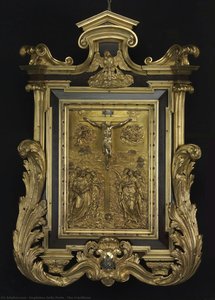
Guglielmo della Porta
1515 - 1577 , Italy
Quick Facts
- Artistic Movement Or Style: Mannerist sculpture
- Artists Or Movements Influenced By This Artist: ['Michelangelo']
- Artists Who Influenced This Artist:
- Leonardo da Vinci
- Perin del Vaga
- Date Of Birth: Northern Italy, Italy (1515)
- Date Of Death: 1577
- Full Name: Guglielmo della Porta
- Nationality: Italian
- Notable Artworks:
- Bust of Pope Paul III
- Tomb of Pope Paul III
- Place Of Birth: Italy

