

 Preview
 Send
Send Share
Share
 Details

 Download
 Similars
 X-Ray
X-Ray Diaporama
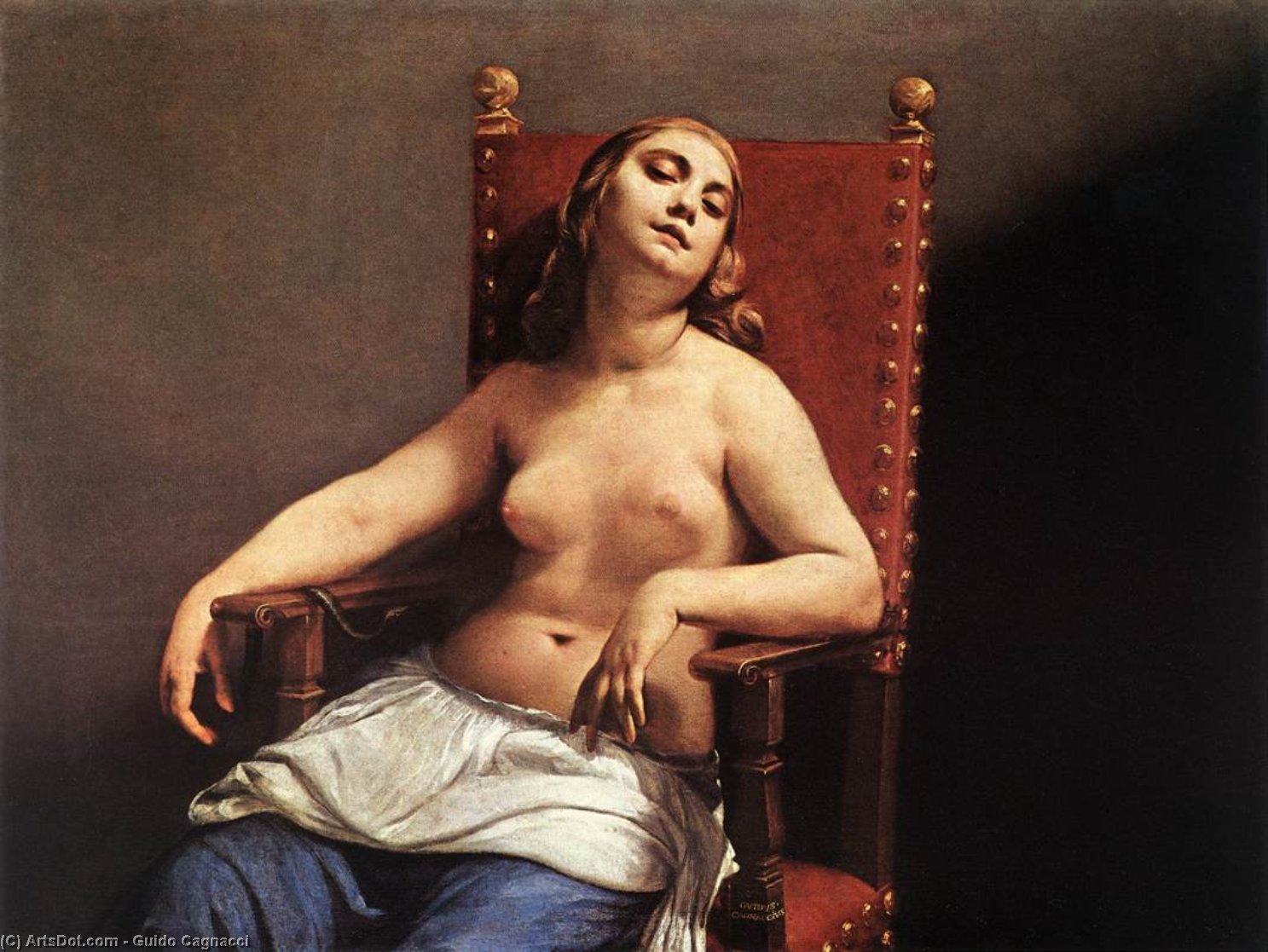
The Death of Cleopatra
 Oil
Oil- WallArt
- Baroque
 1660
1660- Early Modern
 120.0 x 158.0 cm
 Pinacoteca di Brera
 Read More
Purchase a high-resolution, enhanced digital image, far superior to the online preview.
Each file is meticulously prepared by our in-house specialists using advanced tools and expert manual retouching. We ensure every image has exceptional clarity, precise color accuracy, and fine detail.
The final file is delivered via email within 72 hours, optimized for immediate use in professional, editorial, and print environments. This is the same quality trusted by top-tier design studios, publishers, and galleries.
Digital Image
Download a high-resolution file for personal display, printing, and creative projects. ( Buy Print Buy Hand Made Painting)
Included in Every Digital Image Order
Expert Digital Delivery, Guaranteed
When you choose ArtsDot.com, you're not just getting an image - you're receiving a professionally enhanced digital artwork, crafted with precision and backed by a satisfaction guarantee. Here's everything that comes with your order, automatically:

Fast Email Delivery
Your high-resolution digital image file will be emailed to you within 72 hours of ordering - ready for immediate use.

AI-Enhanced Digital File
Your artwork is professionally optimized using advanced AI tools and manual editing, ensuring maximum detail, clarity, and color accuracy.

Free Lifetime Re-Delivery
Accidentally deleted or lost your file? No worries - we'll resend it to you anytime, free of charge.

No Import Fees - Ever
Enjoy your artwork instantly with zero customs, duties, or delivery fees - digital downloads are always tax-free.

Color Accuracy Guarantee
We ensure your digital image reflects the original colors as closely as possible using professional tools and color management.

60-Day Satisfaction Guarantee
If you're not satisfied with your digital image, we'll revise it or refund 100% within 60 days - no questions asked.

100% Money-Back Guarantee
Not satisfied? Get a full refund within 60 days of receiving your digital file - no questions asked.

Bulk Order Discounts
Buy 3 images, save 10% - Buy 5, save 15% - Buy 10+, save 20%. Great for creative projects, galleries, and agencies.
Collectible Description
A Tragic Elegance: The Final Moments of Cleopatra
In the profound stillness of Guido Cagnacci’s The Death of Cleopatra, we are invited into a scene of unparalleled dramatic intensity and somber beauty. This Baroque masterpiece captures the poignant climax of one of history's most legendary tragedies: the passing of the Egyptian Queen following the defeat of her lover, Mark Antony. Rather than focusing solely on the violence of death, Cagnulated directs our gaze toward the heavy, suffocating atmosphere of grief and the quietude of a life slipping away. The composition presents a queen in a state of profound repose, her head resting delicately upon her hand, appearing almost as if caught in a deep, melancholic slumber. This ambiguity between sleep and death creates a haunting tension that lingers in the mind of every viewer.
The painting is a masterclass in the use of chiaroscuro, where the interplay of light and shadow breathes life into the textures of the scene. A soft, ethereal light pierces through the darkness of the chamber, illuminating the luminous skin of Cleopatra and the opulent folds of her white attire. This light does more than just reveal form; it acts as a spotlight on the tragedy itself, highlighting the contrast between the physical splendor of the queen’s surroundings—the rich red cushions and heavy fabrics—and the tragic fragility of her mortal existence. For the discerning collector or interior designer, this interplay of light offers a sophisticated focal point that can transform a room, bringing a sense of classical drama and intellectual depth to any curated space.
The Mastery of Baroque Sensuality and Technique
Guido Cagnacci, an artist whose talent was whispered to be a gift from nature itself, brings a unique, sensual dimension to the Baroque tradition. Influenced by the grace of Guido Reni and the dramatic weight of the Bolognese school, Cagnacci moves beyond mere historical documentation to explore the emotional interiority of his subject. His technique is characterized by an extraordinary ability to render textures—the smoothness of silk, the softness of skin, and the heavy weight of velvet—making the scene feel tangibly present. The artist’s brushwork allows the viewer to feel the coolness of the room and the warmth of the flickering light, creating an immersive experience that transcends the canvas.
Beyond its aesthetic brilliance, the work serves as a profound meditation on power, loss, and the fleeting nature of glory. The presence of surrounding figures, often depicted in various states of mourning, adds layers of narrative complexity, suggesting a shared communal grief that echoes through the halls of history. To possess a reproduction of this caliber is to hold a piece of the seventeenth century's most emotive storytelling. It is an investment in art that does not merely decorate a wall but narrates a story of human vulnerability and enduring majesty, making it an ideal centerpiece for those who appreciate fine art that provokes thought, emotion, and conversation.
Related Artworks
Artist Biography
Early Life and Artistic Beginnings
Guido Cagnacci, born on January 19, 1601, in the modest city of Sant'Angelo in Romagna, emerged from a family of artisans—his father, Matteo Cagnacci, was a tanner and furrier. While his origins remain somewhat shrouded in mystery, with speculation pointing to possible roots in Castel Durante or Rimini, it is clear that young Guido possessed an innate artistic talent. Unlike many artists of the era who underwent rigorous formal apprenticeships from childhood, Cagnacci appears largely self-taught, described by eighteenth-century biographer Giovan Battista Costa as having been “given such marvelous talent from nature” that he embarked on his artistic journey with minimal guidance. This precocious ability led his father to seek more structured training for him, initially in Bologna around 1618 and subsequently with two sojourns in Rome. Though the precise identity of his mentors remains debated, it is widely believed that Ludovico Carracci and Guido Reni profoundly influenced his early development within the Bolognese School. These formative experiences laid the groundwork for a style that would eventually distinguish him as a unique voice within the Baroque landscape.A Developing Style: Bologna, Rome, and Regional Influences
Cagnacci’s artistic education was not confined to a single studio or city. His time in Bologna exposed him to the classical ideals and polished techniques of the Carracci family, while his travels to Rome brought him into contact with the dramatic intensity of Guercino and the refined elegance of Guido Reni. He also encountered the French painter Simon Vouet during his Roman periods, further broadening his stylistic horizons. This confluence of influences is evident in his early works, which often feature devotional subjects executed with a growing mastery of chiaroscuro—the dramatic interplay of light and shadow that became a hallmark of Baroque painting. However, Cagnacci wasn’t merely an imitator; he began to infuse his compositions with a distinctive sensuality and psychological depth. After periods in Bologna and Rome, he established himself as a working artist in Rimini from 1627 to 1642, before relocating to Forlì. His time in Forlì proved particularly significant, allowing him to study the works of Melozzo da Forlì, whose innovative use of perspective and dynamic compositions further shaped his artistic vision.Mature Works: Sensuality, Drama, and Controversy
The mature phase of Cagnacci’s career, spanning roughly from the 1640s until his death in 1663, is characterized by a bold exploration of sensual subjects and an increasingly sophisticated use of chiaroscuro. He became renowned for his depictions of *Mary Magdalene*, often portrayed as a beautiful, repentant woman lost in ecstatic contemplation, and his interpretations of classical myths, particularly those featuring *Cleopatra*. These paintings are not simply exercises in technical skill; they possess a remarkable psychological intensity and an almost unsettling realism. Cagnacci’s figures are imbued with a palpable physicality and emotional vulnerability that captivated—and sometimes scandalized—his contemporaries. His work often pushed the boundaries of acceptable decorum, leading to accusations of indecency and challenging prevailing artistic conventions. The artist's intimate portraits also gained recognition for their ability to capture not only physical likeness but also the inner life of his sitters.Rediscovery and Historical Significance
Despite achieving considerable success during his lifetime—he enjoyed patronage from prominent noble families in Romagna and beyond—Guido Cagnacci’s reputation waned after his death. His works fell into relative obscurity for centuries, largely forgotten by art historians and the wider public. It wasn't until the 20th century that a concerted effort was made to rediscover and re-evaluate his oeuvre. Scholars began to recognize the unique qualities of his style—the masterful chiaroscuro, the sensual realism, and the psychological depth—and to appreciate his contribution to the Baroque tradition. Today, Cagnacci is celebrated as an important figure in Italian Baroque painting, a bridge between the classical ideals of the Bolognese School and the more dramatic, emotionally charged styles that emerged later in the century. His paintings offer a fascinating glimpse into the artistic sensibilities of his time, challenging us to reconsider our understanding of beauty, sensuality, and the power of representation. His legacy lies not only in his technical virtuosity but also in his willingness to explore complex themes and push the boundaries of artistic expression. Cagnacci’s work continues to resonate with contemporary audiences, reminding us of the enduring power of art to provoke, inspire, and challenge our perceptions.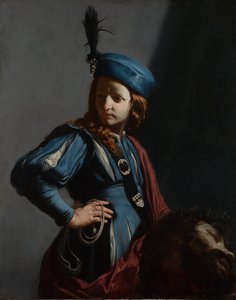
guido cagnacci
1601 - 1663 , Italy
Quick Facts
- Artistic Movement Or Style: Baroque
- Artists Who Influenced This Artist:
- Ludovico Carracci
- Guido Reni
- Guercino
- Date Of Birth: January 19, 1601
- Date Of Death: 1663
- Full Name: Guido Cagnacci
- Nationality: Italian
- Notable Artworks:
- Mary Magdalene
- Cleopatra paintings
- Place Of Birth: Santarcangelo di Romagna, Italy

