 Preview
 Send
Send Share
Share
 Details

 Download
 Similars
 X-Ray
X-Ray Diaporama
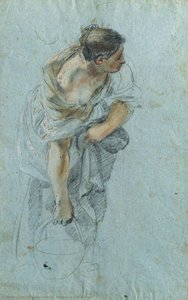
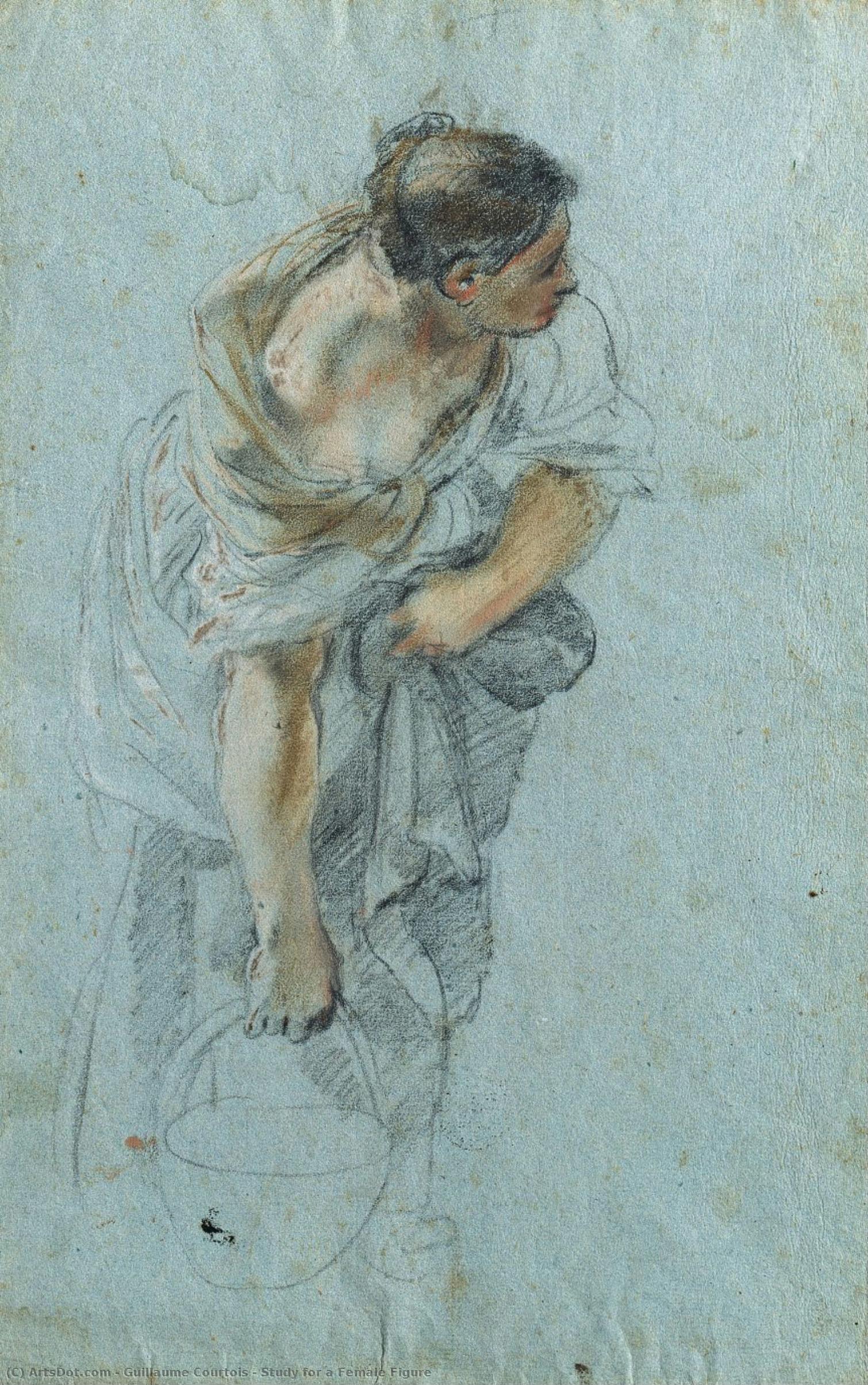
Study for a Female Figure
 1645
1645 274.0 x 418.0 cm
 Kunstpalast
 Read More
Hand Made Oil Reproduction
Hand-painted oil on canvas in your size and frame, made to order by our artists. ( Buy Print Buy Image)




































Pick from our preset sizes that match the artwork's original proportions.

You may enter your own dimensions to fit a specific frame or space. If your selected size does not match the original image's proportions, we will either crop the artwork or extend the painting with additional hand-painted elements. A digital mockup will be sent for your approval before production begins.
Please note that the on-screen preview does not reflect the actual cropping or extension. Only the mockup will accurately show the final composition.
While custom sizes are available, we recommend selecting a dimension from the predefined list to preserve the original proportions.
After order, ArtsDot.com team will email client for instructions and provide a mockup preview
Worldwide Delivery () in 3/4 weeks instead of standard 5 weeks. (17 August). No compromise on quality.

Free Worldwide Express Shipping

High-Quality Linen Canvas

Full Shipping Insurance

Customs Tax Refund Guarantee

True Color Matching Guarantee

60-Day Return Policy (Defects Only)

100% Money-Back Guarantee

Bulk Discount Offer
 Glass option is only available in size under 110 CM

Study for a Female Figure
Reproduction Medium
Reproduction Size
-


Total Price
$ 263
Related Artworks

Artist Biography
The Life and Legacy of Guillaume Courtois
In the vibrant, sun-drenched landscape of the seventeenth-century Baroque era, few figures embody the cosmopolitan spirit of the age as elegantly as Guillaume Courtois. Known to many in Italy by his Italianized name, Guglielmo Cortese, or more evocatively as Il Borgognone, this French-Italian master navigated the complex artistic currents of Rome with profound skill. Born in 1628 in Saint-Hippolyte, France, Courtois was part of a remarkable family of painters; his father, Jean-Pierre, and his brothers, Jacques and Jean-François, all shared a destiny entwined with the brush and the canvas. The early movements of the Courtois family suggest a nomadic apprenticeship through the great artistic hubs of Italy—Milan, Bologna, Venice, Florence, and Siena—a journey that would eventually imbue his work with a rich, pan-European sophistication.
The true crucible of Courtois’s talent was Rome, the beating heart of the Baroque movement. While historical accounts vary on the exact timing of his arrival, it is widely believed that he immersed himself in the Roman studio culture during his formative years. Whether he entered the prestigious workshop of Pietro da Cortona as a young man or later found his footing under the master's influence in the mid-1650s, the impact on his aesthetic was undeniable. His style became a masterful synthesis of influences: the grand, sweeping compositions of Cortona, the dramatic vitality of Giovanni Lanfranco, and the refined classicism of Andrea Sacchi. By studying the Bolognese masters and the emotive power of Guercino, Courtois developed a signature approach that avoided the excessive mannerisms of previous eras in favor of a balanced, classicizing grace reminiscent of Carlo Maratta.
Mastery of Narrative and Scale
Courtois was far more than a mere observer of the Roman art scene; he was a vital participant in its most ambitious decorative projects. His versatility allowed him to command various roles within the hierarchy of painting, ranging from the creation of grand historical narratives to the delicate task of staffage—the placement of small, lively figures that breathe life into larger landscapes or architectural settings. He earned a reputation as a formidable history painter, capable of translating complex Christian religious themes and intricate mythological legends into visual poetry. His ability to manage large-scale compositions made him a sought-after talent for the era's most prestigious patrons.
Beyond the quiet dignity of his religious works, Courtois possessed a dynamic energy that earned him the moniker of a battle painter. This was particularly evident in his contributions to the decorative cycles of the Jesuit congregation, where he captured the movement, chaos, and drama of conflict with remarkable precision. His work often featured:
- Dynamic Composition: A seamless integration of figures within vast, atmospheric environments.
- Luminous Color Palettes: A sophisticated use of light and shadow to direct the viewer's eye through complex scenes.
- Human Emotion: The ability to imbue even small, secondary figures with a sense of individual character and narrative weight.
Historical Significance and Enduring Influence
The career of Guillaume Courtois represents a bridge between the exuberant heights of the High Baroque and the more restrained, classical sensibilities that would follow. His life in Rome was one of high-level patronage and artistic evolution, leaving behind a legacy that extended to his pupils, such as Jean-Blaise Chardon and Antonio Dupré. Though his life was cut short by gout in 1679, the impact of his "Burgundian" style remained etched in the Roman tradition.
Today, Courtois is remembered not just as a painter of scenes, but as a master of atmosphere. His ability to blend the French sensibility for clarity with the Italian passion for drama allowed him to create works that feel both monumental and intimately human. In the annals of art history, Il Borgognone stands as a testament to the era of the traveling artist—a man whose identity was shaped by the many cities he traversed and whose brush captured the very soul of the Baroque age.
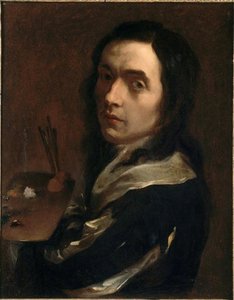
guillaume courtois
1628 - 1679 , France
Quick Facts
- Artistic Movement Or Style: Baroque, Classicizing
- Artists Who Influenced This Artist:
- Pietro da Cortona
- Giovanni Lanfranco
- Andrea Sacchi
- Guercino
- Date Of Birth: 1628
- Date Of Death: 1679
- Full Name: Guillaume Courtois
- Nationality: French-Italian
- Place Of Birth: Saint-Hippolyte, France