 Preview
 Send
Send Share
Share
 Details

 Download
 Similars
 X-Ray
X-Ray Diaporama
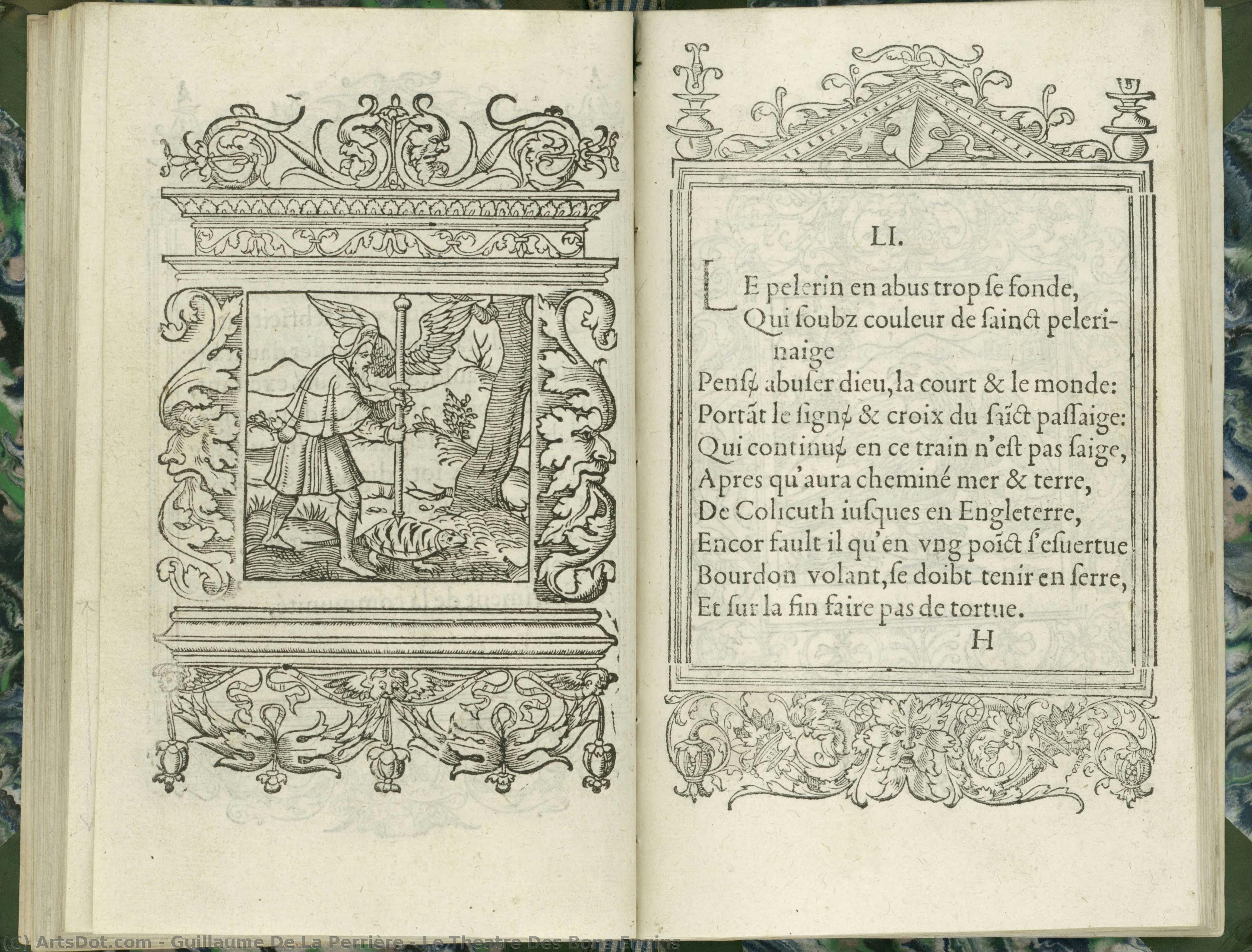
Le Theatre Des Bons Engins
 1540
1540 17.0 x 23.0 cm
 Read More
Giclée / Art Print
Museum-quality giclée or canvas print with fast production and flexible finish options. ( Buy Hand Made Painting Buy Image)




































Pick from our preset sizes that match the artwork's original proportions.

You may enter your own dimensions to fit a specific frame or space. If your selected size does not match the original image's proportions, we will either crop the artwork or extend the image with a mirrored or solid-fill edge. A digital mockup will be sent for your approval before production begins.
Please note that the on-screen preview does not reflect the actual cropping or extension. Only the mockup will accurately show the final composition.
While custom sizes are available, we recommend selecting a dimension from the predefined list to preserve the original proportions.
Worldwide Delivery () in 2 weeks instead of standard 4/5 weeks. (23 August)

Free Worldwide Express Shipping

High-Quality Linen Canvas

Full Shipping Insurance

Customs Tax Refund Guarantee

True Color Matching Guarantee

60-Day Return Policy (Defects Only)

100% Money-Back Guarantee

Bulk Discount Offer
 Glass option is only available in size under 110 CM

Le Theatre Des Bons Engins
Giclée / Art Print
Reproduction Size
-


Total Price
$ 63
Related Artworks










Artist Biography
Michelangelo Buonarroti: A Titan of the Renaissance
Michelangelo, a name synonymous with artistic genius and unparalleled mastery, remains one of the most influential figures in Western art history. Born in Caprese in 1475, he was not merely an artist; he was a sculptor, painter, architect, and poet – a true embodiment of the Renaissance ideal of the “uomo universale.” His life, marked by both extraordinary triumphs and periods of personal struggle, culminated in works that continue to captivate and inspire awe centuries later. This biography delves into the remarkable journey of this Florentine master, exploring his formative years, groundbreaking innovations, and enduring legacy.Early Life and Artistic Training
Michelangelo’s early life was steeped in family tradition – his father, Lodovico Buonarroti Simoni, was a notary who encouraged his son's artistic inclinations. Despite initial resistance from his family, who viewed sculpting as an unsuitable profession for a gentleman, Michelangelo received rudimentary training in Florence under the sculptor Domenico Ghirlandaio. However, it was his apprenticeship with Bertoldo di Giovanni, a sculptor working for the Medici court, that truly ignited his passion and honed his skills. This period exposed him to classical sculpture and instilled in him a deep appreciation for anatomical accuracy and dynamic movement – principles he would later translate into his own groundbreaking works. Crucially, Michelangelo’s early exposure to the humanist ideals of the Renaissance fostered a desire to understand the human form not just as it appeared, but as it was constructed—a foundation that profoundly shaped his artistic vision.Sculptural Masterpieces: David and Pietà
Michelangelo's sculptural output is arguably even more celebrated than his paintings. The creation of *David* in 1504 marked a pivotal moment, not just for the artist but for the entire art world. This colossal marble statue, depicting the biblical hero before his battle with Goliath, showcased Michelangelo’s unparalleled ability to capture human emotion and power. The sheer scale of the sculpture, combined with its anatomical precision and dynamic pose, demonstrated a revolutionary departure from previous depictions of David—it was no longer a passive figure but an active warrior poised for action. Perhaps even more profoundly moving is *Pietà*, completed in 1499 for St. Peter’s Basilica in Rome. This exquisitely rendered sculpture depicts the Virgin Mary cradling the body of Christ, demonstrating Michelangelo's mastery of marble carving and his profound understanding of human grief. The delicate folds of Mary’s garments, the serene expression on her face, and the lifelike portrayal of Christ—all contribute to a work of unparalleled emotional depth and technical brilliance. *Pietà* remains a testament to Michelangelo’s ability to transform cold stone into an embodiment of sorrow and maternal love.The Sistine Chapel Ceiling: A Monumental Achievement
In 1508, Pope Julius II commissioned Michelangelo to paint the ceiling of the Sistine Chapel in Vatican City—a daunting task that would consume the artist for four years. Initially reluctant to undertake this monumental project, Michelangelo nevertheless accepted, transforming himself from a sculptor into a painter of extraordinary ambition. The result is arguably his most famous work: a breathtaking fresco cycle depicting scenes from Genesis, including *The Creation of Adam*, *The Deluge*, and *The Fall of Man*. The Sistine Chapel ceiling is not merely a decorative scheme; it’s a profound theological statement—a visual narrative of humanity's relationship with God. Michelangelo’s figures are rendered with incredible anatomical accuracy and dynamic energy, conveying a sense of movement and drama that was unprecedented in fresco painting. The vibrant colors, the intricate details, and the sheer scale of the work combine to create an experience that is both overwhelming and deeply moving.Later Works and Legacy
Following his success with the Sistine Chapel ceiling, Michelangelo continued to work on a variety of projects, including *The Last Judgment* in the Pauline Chapel of Santa Maria Novella in Florence (1536-1541), a monumental fresco depicting Christ’s return. He also designed the Laurentian Library at the Medici Palace in Florence and served as architect for St. Peter's Basilica, though he died before its completion. Throughout his later years, Michelangelo remained committed to his craft, producing sculptures such as *Moses* (1513-1515) and *The Pieta Romana*, demonstrating a continued exploration of human form and emotion. Michelangelo’s influence on Western art is immeasurable. His mastery of anatomy, his dynamic compositions, and his profound understanding of human psychology set a new standard for artists who followed him. He remains an enduring symbol of artistic genius—a testament to the power of human creativity and the transformative potential of art. His works continue to be studied, admired, and celebrated around the world, ensuring that Michelangelo’s legacy will endure for centuries to come.
guillaume de la perrière
1499 - 1565 , France
Quick Facts
- Artistic Movement Or Style: Early Renaissance, Mannerism, Renaissance
- Artists Or Movements Influenced By This Artist:
- Raphael
- Mannerism
- Artists Who Influenced This Artist:
- Donatello
- Leonardo da Vinci
- Date Of Birth: March 6, 1475
- Date Of Death: February 18, 1564
- Full Name: Michelangelo di Lodovico Buonarroti Simoni
- Nationality: Italian
- Notable Artworks:
- David
- Pieta
- Sistine Chapel ceiling
- The Last Judgment
- Place Of Birth: Caprese, Italy