Artist Biography
The Enigmatic World of Spinny
Spinny, a contemporary artist whose work defies easy categorization, has emerged as a compelling voice in the 21st-century art landscape. Born into an era saturated with information and digital connectivity, Spinny’s artistic journey is marked by a deliberate exploration of fragmented narratives, memory, and the elusive nature of identity. While biographical details remain intentionally sparse – Spinny prefers to let the work speak for itself – it's understood they began exhibiting in underground art spaces during the early 2010s, quickly gaining recognition for a unique visual language that blended elements of surrealism, abstraction, and digital glitch aesthetics. This initial period was characterized by experimentation with mixed media, often incorporating found objects, altered photographs, and layers of textured paint. Spinny’s refusal to conform to established artistic norms, coupled with a captivating online presence, fostered a dedicated following and propelled them into the broader art world.
Influences and Artistic Development
Pinny's work is not easily pinned down to a single school of thought; rather, it represents a synthesis of diverse influences. Early exposure to the works of Max Ernst and Salvador Dalí instilled a fascination with the subconscious and the power of dreamlike imagery. However, Spinny diverges from traditional Surrealism by incorporating elements of contemporary digital culture. The aesthetics of early internet art, glitch art, and fragmented data streams are readily apparent in their compositions. The artist has also cited Cy Twombly's gestural abstraction as a key influence, particularly in the use of spontaneous mark-making and layered textures. A crucial turning point in Spinny’s development came with the adoption of digital tools – specifically, image manipulation software and generative algorithms. This allowed for the creation of complex, multi-layered works that explore the boundaries between analog and digital realms. The artist's exploration of memory is also deeply rooted in personal experience, though these experiences are rarely depicted directly; instead, they manifest as evocative symbols and fragmented landscapes.
Major Themes and Techniques
At the heart of Spinny’s oeuvre lies a profound meditation on the human condition in the digital age. Recurring themes include the erosion of privacy, the construction of identity online, and the anxieties surrounding technological advancement. Their works often feature distorted figures, fragmented landscapes, and ambiguous spaces that evoke a sense of disorientation and unease. Technically, Spinny is known for their mastery of mixed media techniques. They frequently combine painting, collage, digital printing, and sculpture to create richly textured surfaces that invite close inspection. The use of layering is particularly significant – images are often obscured by layers of paint, varnish, or other materials, creating a sense of depth and ambiguity. Color plays a crucial role in Spinny’s work, with a preference for muted tones, saturated hues, and unexpected combinations that create a hauntingly beautiful aesthetic. The artist also employs techniques such as decollage, where layers of material are torn or scraped away to reveal underlying images, further emphasizing the themes of fragmentation and memory.
Achievements and Historical Significance
Spinny’s work has been exhibited in numerous galleries and museums worldwide, including a critically acclaimed solo show at the Museum of Contemporary Art in Berlin in 2018. They have also received several prestigious awards, solidifying their position as a leading figure in contemporary art. However, Spinny's most significant achievement lies not simply in artistic recognition but in their ability to capture the zeitgeist of our time. Their work resonates with audiences grappling with the complexities of digital life and the challenges of navigating an increasingly fragmented world. By blurring the boundaries between analog and digital realms, Spinny forces us to question the nature of reality itself. Their influence can be seen in the work of a new generation of artists who are exploring similar themes and techniques. As technology continues to shape our lives, Spinny’s art will undoubtedly remain relevant and thought-provoking for years to come.
Current Directions
Spinny's recent works have shown a shift towards larger scale installations, incorporating sound and video elements alongside their traditional mixed media pieces. This evolution reflects an increasing interest in creating immersive experiences that engage multiple senses. The artist has also begun exploring the use of artificial intelligence in their creative process, generating abstract forms and textures using machine learning algorithms. While maintaining a commitment to themes of memory and identity, Spinny's current work is characterized by a greater sense of optimism and hope. Recent exhibitions have focused on the potential for technology to foster connection and empathy, rather than simply exacerbating existing anxieties. This new direction suggests that Spinny’s artistic journey is far from over, and they will continue to push boundaries and challenge our perceptions of art and reality.


 Preview
 Send
Send Share
Share
 Details

 Download
 Similars
 X-Ray
X-Ray Diaporama
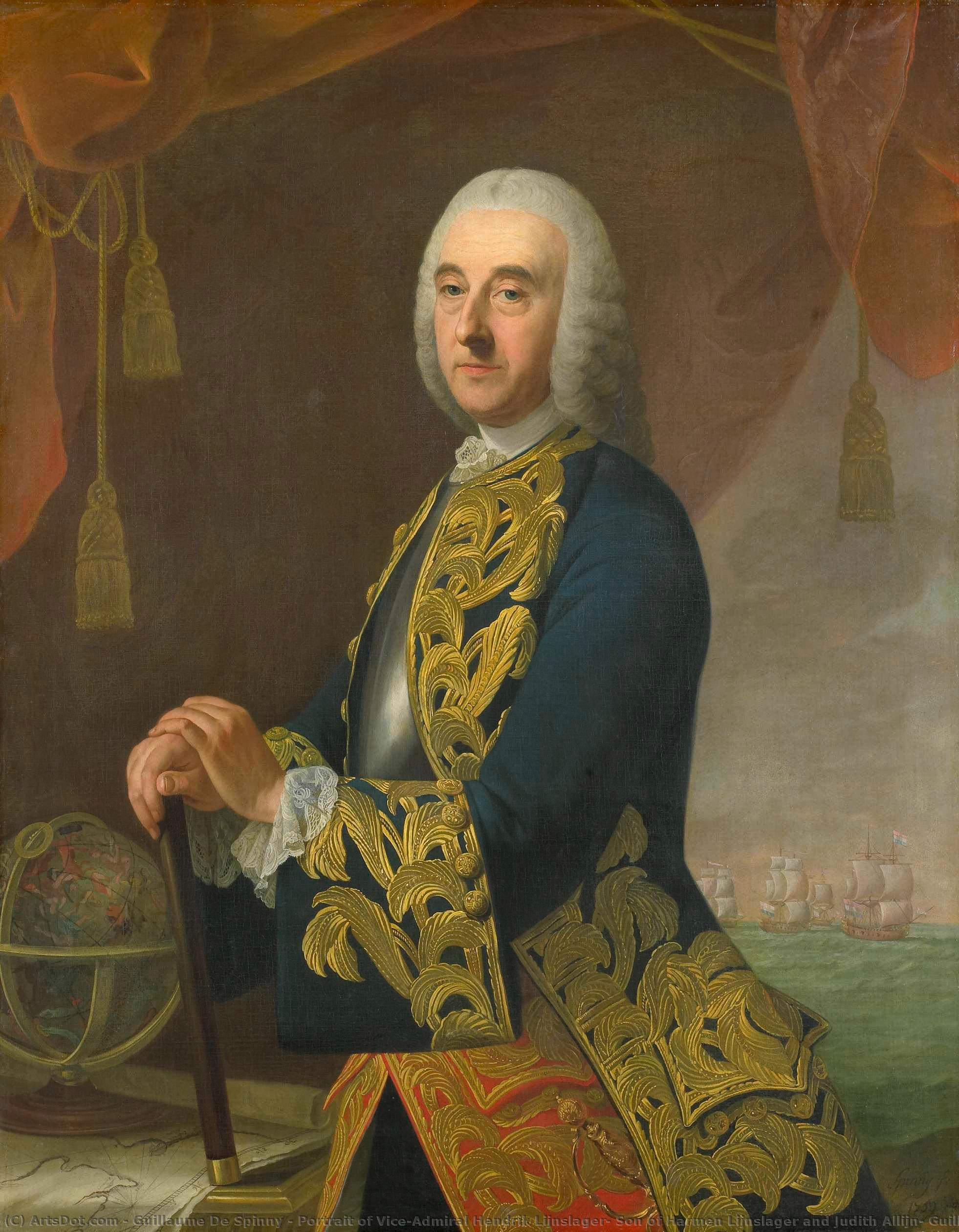
 1759
1759 113.0 x 87.0 cm
 Read More
 Buy Print





































 Glass option is only available in size under 110 CM