 Preview
 Send
Send Share
Share
 Details

 Download
 Similars
 X-Ray
X-Ray Diaporama
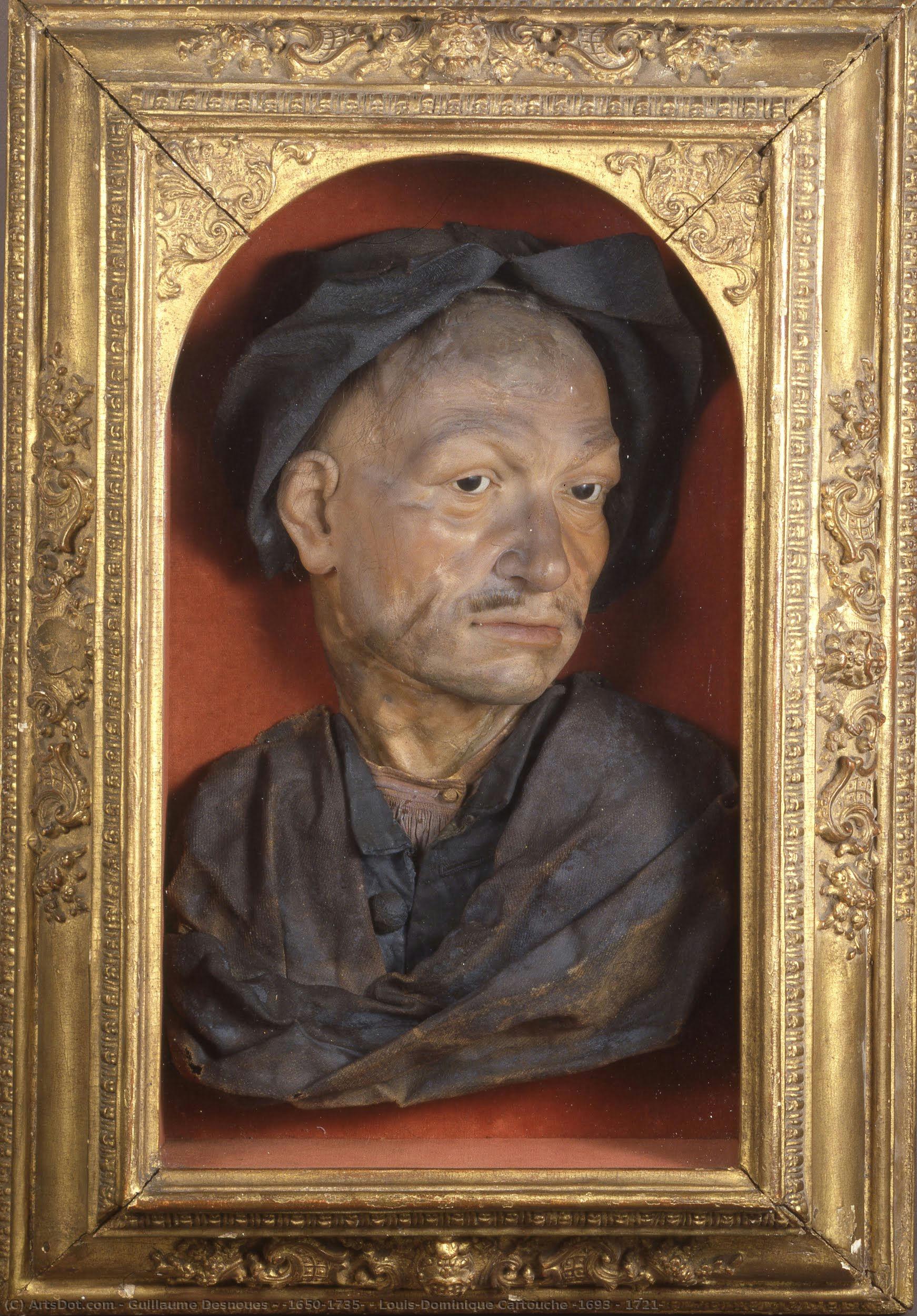
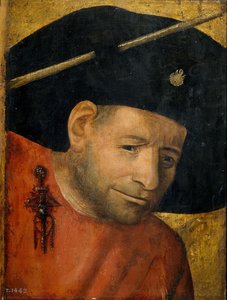
Louis-Dominique Cartouche (1693 - 1721)

 Read More
Hand Made Oil Reproduction
Hand-painted oil on canvas in your size and frame, made to order by our artists. ( Buy Print Buy Image)




































Pick from our preset sizes that match the artwork's original proportions.

You may enter your own dimensions to fit a specific frame or space. If your selected size does not match the original image's proportions, we will either crop the artwork or extend the painting with additional hand-painted elements. A digital mockup will be sent for your approval before production begins.
Please note that the on-screen preview does not reflect the actual cropping or extension. Only the mockup will accurately show the final composition.
While custom sizes are available, we recommend selecting a dimension from the predefined list to preserve the original proportions.
After order, ArtsDot.com team will email client for instructions and provide a mockup preview
Worldwide Delivery () in 3/4 weeks instead of standard 5 weeks. (5 September). No compromise on quality.

Free Worldwide Express Shipping

High-Quality Linen Canvas

Full Shipping Insurance

Customs Tax Refund Guarantee

True Color Matching Guarantee

60-Day Return Policy (Defects Only)

100% Money-Back Guarantee

Bulk Discount Offer
 Glass option is only available in size under 110 CM

Louis-Dominique Cartouche (1693 - 1721)
Reproduction Medium
Reproduction Size
-


Total Price
$ 263
Related Artworks







Artist Biography
The Intersection of Science and Artistry
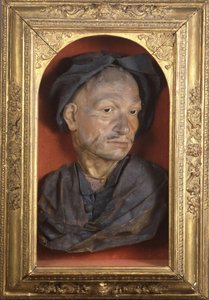
Guillaume Desnoues stands as a singular figure in the annals of French art history, a man whose life work bridged the often-widening gap between scientific observation and aesthetic mastery. Born circa 1650, Desnoues emerged during the height of the Baroque period, an era defined by its dramatic ornamentation, intellectual fervor, and an insatiable curiosity about the natural world. While his primary identity was that of a surgeon, his legacy is inextricably linked to the creation of remarkably detailed wax anatomical models—sculptures that captured the very essence of human biology with a precision that captivated audiences across the European continent.
His journey into the depths of human anatomy was not merely academic but deeply personal, fostered through the mentorship of Ambroise Lescot, a prominent surgeon and anatomist. This formative relationship propelled Desaucous into the prestigious Academy of New Discoveries of Medicine, founded by Nicolas de Blégny. It was within these halls that he honed his anatomical knowledge, embracing the burgeoning scientific advancements of the late 17th century. However, the trajectory of his life was irrevocably altered in 1691 when political upheaval forced him into exile. This period of displacement led him to Genoa, Italy, where he ascended to the position of surgeon at the local hospital and entered a transformative era of collaborative innovation.
A Legacy in Wax and Ivory
In Genoa, Desnoues established a profound connection with Gaetano Zumbo, a master of anatomical wax casts. Together, they sought to push the boundaries of how medical knowledge could be presented through art. Their partnership focused on the innovative use of colored waxes to replicate the intricate textures of flesh, veins, and organs. Yet, the path of artistic collaboration is rarely without friction; following an estrangement from Zumbo, Desnoues turned his creative energies toward a new alliance with François De la Croix, a skilled ivory sculptor. This union of medical precision and sculptural finesse allowed Desnoues to expand his repertoire, blending the organic softness of wax with the structural elegance of ivory.
The culmination of these efforts was perhaps most brilliantly realized in Paris, where Desnoues inaugurated a museum on the Rue de Tournon. This collection was nothing short of breathtaking, offering visitors a window into the human form that was as educational as it was awe-inspiring. Contemporary accounts from the era describe a sense of profound realism that left spectators spellbound:
- The Realism of Form: Observers noted that the wax models were so just and natural that even the smallest veins were visible to the naked eye.
- Chromatic Mastery: The use of varied pigments—red, white, and blue waxes—allowed for a lifelike depiction of the various fleshy parts and vascular systems of the human body.
- The Spectacle of Life: The museum featured complex displays, including a whole man and even more delicate representations, such as a child within the womb, presented with startling anatomical accuracy.
A European Odyssey and Historical Significance
Desnoues was not merely a local phenomenon but a true traveler of the Enlightenment, carrying his anatomical wonders across the great cultural hubs of Europe. During the 1710s and 1720s, his path took him through Bologna, Florence, Rome, London, and Amsterdam. Each city provided a new stage for his presentations, allowing his scientific-artistic hybrid medium to influence the medical and artistic discourses of various nations. His ability to navigate these diverse intellectual landscapes cemented his reputation as both an educator and a master sculptor.
The historical significance of Guillaume Desnoues lies in his role as a pioneer of anatomical art. At a time when the boundaries between the laboratory and the studio were fluid, he utilized the medium of wax to transform the often-gruesome reality of dissection into something profoundly beautiful and pedagogically accessible. His work served as a vital tool for medical students and a source of wonder for the public, embodying the spirit of an age that sought to illuminate the mysteries of life through the dual lenses of art and science. Through his meticulous craftsmanship, Desnoues ensured that the fleeting details of human anatomy were preserved in a permanent, sculptural form, leaving an indelible mark on the history of European medical illustration.
guillaume desnoues ? (1650-1735)
1650 - 1735 , France
Quick Facts
- Artistic Movement Or Style: Renaissance Art
- Artists Or Movements Influenced By This Artist: ['Nicolas de Blégny']
- Artists Who Influenced This Artist: ['Lescot']
- Date Of Death: 1735
- Full Name: Guillaume Desnoues
- Nationality: French
- Notable Artworks: ['Louis-Dominique Cartouche']
- Place Of Birth: France