 Preview
 Send
Send Share
Share
 Details

 Download
 Similars
 X-Ray
X-Ray Diaporama
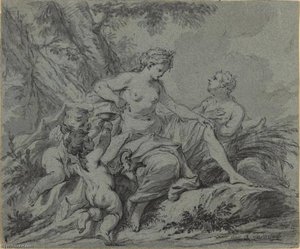
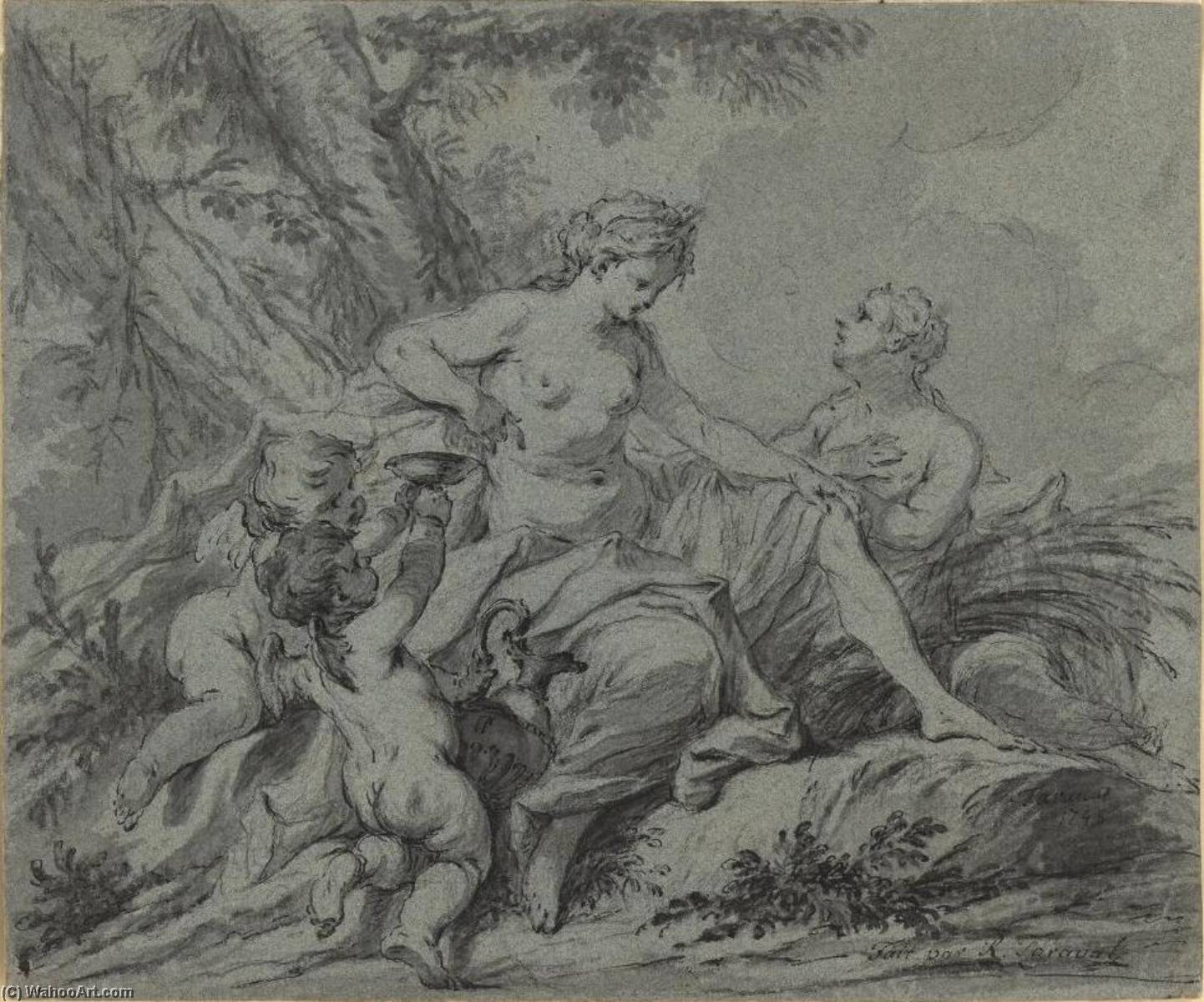
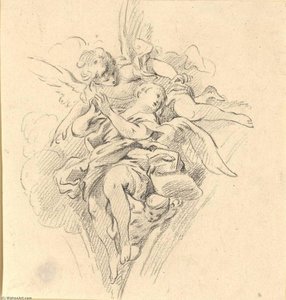
Female Figures with Putti in a Landscape
 1748
1748 20.0 x 24.0 cm
 Uppsala Universitetsbibliotek
 Read More
Hand Made Oil Reproduction
Hand-painted oil on canvas in your size and frame, made to order by our artists. ( Buy Print Buy Image)




































Pick from our preset sizes that match the artwork's original proportions.

You may enter your own dimensions to fit a specific frame or space. If your selected size does not match the original image's proportions, we will either crop the artwork or extend the painting with additional hand-painted elements. A digital mockup will be sent for your approval before production begins.
Please note that the on-screen preview does not reflect the actual cropping or extension. Only the mockup will accurately show the final composition.
While custom sizes are available, we recommend selecting a dimension from the predefined list to preserve the original proportions.
After order, ArtsDot.com team will email client for instructions and provide a mockup preview
Worldwide Delivery () in 3/4 weeks instead of standard 5 weeks. (27 August). No compromise on quality.

Free Worldwide Express Shipping

High-Quality Linen Canvas

Full Shipping Insurance

Customs Tax Refund Guarantee

True Color Matching Guarantee

60-Day Return Policy (Defects Only)

100% Money-Back Guarantee

Bulk Discount Offer
 Glass option is only available in size under 110 CM

Female Figures with Putti in a Landscape
Reproduction Medium
Reproduction Size
-


Total Price
$ 263
Related Artworks








Artist Biography
A Visionary of the Rococo: The Life and Legacy of Guillaume Thomas Taraval
In the grand, gilded corridors of eighteenth-century Europe, few artists possessed the transformative vision of Guillaume Thomas Taraval. Born in Paris in 1701 into a lineage steeped in the fine arts, Taraval’s early years were shaped by both profound loss and exceptional mentorship. Orphaned at a young age, he was raised by his foster-father, Henry Guillemard, who provided him with his first delicate lessons in the nuances of light and line. This foundational training, later refined under the tutelage of the esteemed Claude Audran, prepared Taraval for a career that would eventually bridge the cultural landscapes of France and Sweden, forever altering the aesthetic trajectory of the North.
Taraval’s arrival in Stockholm in 1732 marked the beginning of a profound artistic revolution. At a time when Swedish art was largely tethered to the heavy, somber traditions of the Baroque, Taraval introduced the airy, luminous, and playful spirit of the French Rococo. His presence in the capital was not merely that of a visiting painter but of a cultural pioneer. Within the opulent halls of the Stockholm Palace, he breathed new life into the ceilings and walls, replacing rigid structures with asymmetrical compositions, delicate pastel palettes, and an effortless sense of movement that seemed to defy the very architecture he adorned.
Mastery of Form and the Rococo Spirit
The brilliance of Taraval’s technique lay in his ability to marry monumental scale with intimate grace. He was a master of the ceiling painting, creating vast, ethereal vistas that invited the viewer to look upward into worlds of mythological splendor and pastoral tranquility. His work often featured:
- Mythological Allegories: Reimagining classical legends through a lens of idealized beauty and harmony.
- Pastoral Serenity: Capturing the gentle, romanticized essence of nature and landscape.
- Ornate Ornamentation: Utilizing the intricate, swirling motifs characteristic of the Rococo movement to enhance decorative surfaces.
Beyond these grand architectural commissions, Taraval demonstrated a remarkable versatility that allowed him to navigate various genres with equal finesse. His portraits captured the dignity and elegance of the Swedish nobility, while his still lifes showcased an exquisite, almost scientific devotion to botanical detail. Even in his more religious works, such as his altarpieces, one can sense the influence of his French training—a lightness of touch that brought a sense of divine grace through soft light and fluid forms.
Architect of an Artistic Institution
Taraval’s significance extends far beyond the aesthetic beauty of his canvases; he was a foundational architect of Swedish art education. In 1735, he was appointed as the inaugural director of the Royal Swedish Academy of Arts, a position he held until his death in 1750. This was a watershed moment for the region, as it established a formal sanctuary for scholarship, experimentation, and the cultivation of new talent. Through this institution, Taraval ensured that the principles of excellence and humanist ideals would be passed down to future generations of Scandinavian artists.
Even as he sought to modernize Swedish taste, Taraval remained deeply connected to the pulse of Parisian innovation. His journey back to Paris in 1739 allowed him to study the latest developments in French art, a period of intellectual renewal that he brought back to Stockholm upon his return in 1740. This continuous dialogue between the established traditions of France and the emerging needs of Sweden defined his career. When he passed away in Stockholm, he left behind more than just a collection of beautiful paintings; he left a legacy of cultural sophistication and an institutional framework that would sustain the Swedish art world for centuries to come.
guillaume thomas taraval
1701 - 1750
Quick Facts
- Artistic Movement Or Style: Rococo
- Artists Or Movements Influenced By This Artist: ['Swedish Rococo']
- Artists Who Influenced This Artist: ['Jean Oudry']
- Date Of Birth: 1701
- Date Of Death: 1750
- Full Name: Guillaume Thomas Taraval
- Nationality: French
- Notable Artworks:
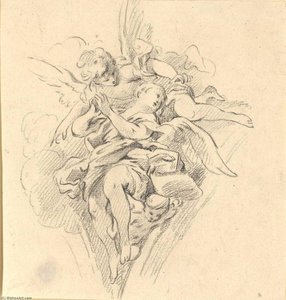
- Group of Angels
- Female Figures with Putti in a Landscape
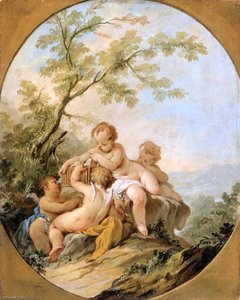
- Four Putti Playing with a Birdcage
- Place Of Birth: Paris, France