 Preview
 Send
Send Share
Share
 Details

 Download
 Similars
 X-Ray
X-Ray Diaporama
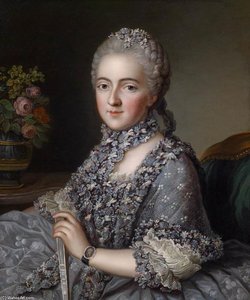
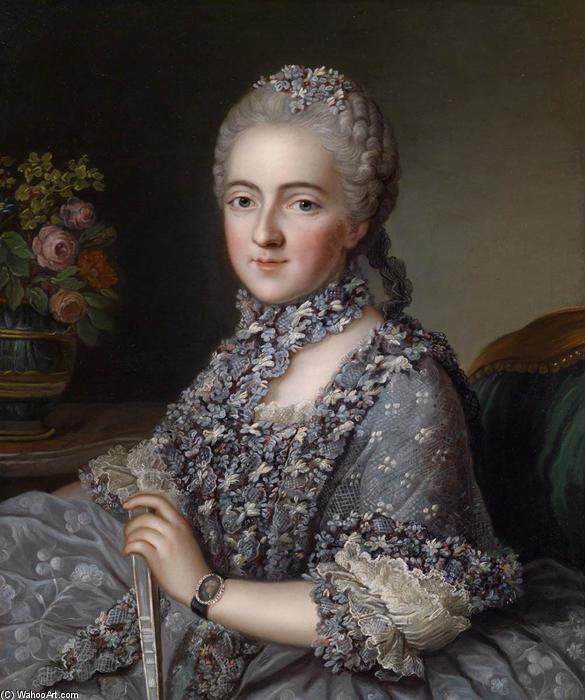
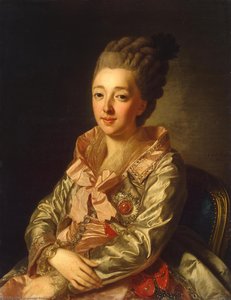
Portrait of a Lady
 66.0 x 56.0 cm
 Read More
Giclée / Art Print
Museum-quality giclée or canvas print with fast production and flexible finish options. ( Buy Hand Made Painting Buy Image)




































Pick from our preset sizes that match the artwork's original proportions.

You may enter your own dimensions to fit a specific frame or space. If your selected size does not match the original image's proportions, we will either crop the artwork or extend the image with a mirrored or solid-fill edge. A digital mockup will be sent for your approval before production begins.
Please note that the on-screen preview does not reflect the actual cropping or extension. Only the mockup will accurately show the final composition.
While custom sizes are available, we recommend selecting a dimension from the predefined list to preserve the original proportions.
Worldwide Delivery () in 2 weeks instead of standard 4/5 weeks. (27 August)

Free Worldwide Express Shipping

High-Quality Linen Canvas

Full Shipping Insurance

Customs Tax Refund Guarantee

True Color Matching Guarantee

60-Day Return Policy (Defects Only)

100% Money-Back Guarantee

Bulk Discount Offer
 Glass option is only available in size under 110 CM

Portrait of a Lady
Giclée / Art Print
Reproduction Size
-


Total Price
$ 63
Related Artworks
Artist Biography
Guillaume Voiriot (1713–1799): Parisian Portraiture and the Pursuit of Harmony
Guillaume Voiriot, born in Paris in 1712, emerged as a prominent figure in the French portrait painting scene during the Enlightenment era. His artistic journey began amidst a rich cultural landscape shaped by the influence of Lorraine’s sculptural traditions – his father instilled in him an appreciation for form and detail – propelling him towards ambitious educational endeavors.
- Early Travels & Artistic Formation: Voiriot’s formative years were marked by a pivotal decision to pursue independent study abroad, specifically at the French Academy in Rome from 1746 to 1749. This immersive experience profoundly impacted his artistic sensibilities, exposing him to the grandeur of Renaissance painting and fostering an understanding of classical ideals.
- Return to Paris & Academic Recognition: Upon returning to France, Voiriot initially gravitated towards Saint-Luc Academy as a pastelist, honing his skills in capturing subtle tonal nuances before securing a coveted position within the Académie royale de peinture et de sculpture in 1759. His talent was swiftly recognized by luminaries like Jean-Baptiste Marie Pierre and Jean-Marc Nattier, establishing him as a respected contemporary of the era’s leading artists.
- Salon Exhibitions & Parisian Society: Voiriot’s artistic career flourished during the Salon period (1759–1771), where he regularly showcased his portraits in prestigious Parisian salons. These exhibitions provided invaluable exposure and cemented his reputation as a chronicler of aristocratic life, capturing the elegance and sophistication of the French court.
Relationships & Patronage: Collaboration with Hazon & Connections to Normandy
Voiriot’s artistic network extended beyond academic circles. His friendship with architect Michel-Barthélemy Hazon fostered collaborative ventures, notably their shared expedition to Rome, facilitating connections within the Norman art community. These relationships proved instrumental in securing commissions and expanding his artistic horizons.
- Norman Patronage: Voiriot’s patronage stemmed from influential families residing in Normandy who recognized his ability to convey emotion and character through portraiture.
Style & Technique: The Pursuit of Harmony & Influences
Voiriot's artistic style is characterized by a meticulous attention to detail, combined with an unwavering commitment to achieving visual harmony—a hallmark of his era’s aesthetic sensibilities. He skillfully employed pastel and oil paints to render figures with remarkable realism, capturing subtle expressions and conveying psychological depth.
- Pastel Mastery: Voiriot's early work demonstrated a mastery of pastel technique, particularly evident in portraits like “Portrait of Monsieur Aublet,” where he achieved luminous tonal gradations and nuanced shading.
- Oil Painting Innovations: His later paintings showcased advancements in oil painting, incorporating innovative compositional strategies and color palettes inspired by Georges de La Tour’s dramatic chiaroscuro style—a stylistic influence that subtly permeated his oeuvre.
Legacy & Notable Works
Despite the loss of numerous canvases attributed to Voiriot, approximately 67 surviving works attest to his prolific output and enduring artistic legacy. Among these treasures are “Untitled (D2X78E)” and “Portrait of Madame Guiard,” which exemplify his distinctive approach to portraiture—capturing not merely likeness but also conveying the sitter’s inner life.
- Rediscovery Efforts: Ongoing research continues to illuminate Voiriot's artistic contributions, challenging existing attributions and prompting renewed appreciation for his oeuvre.
Guillaume Voiriot remains a testament to the dynamism of 18th-century French art—a painter who skillfully blended classical ideals with contemporary sensibilities, producing portraits that resonate with beauty and psychological insight.
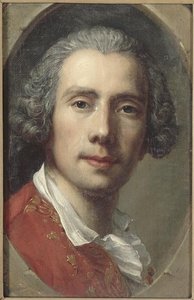
Guillaume Voiriot
1713 - 1799 , France
Quick Facts
- Artistic Movement Or Style: Portraiture
- Artists Or Movements Influenced By This Artist: ['Renaissance Painting']
- Artists Who Influenced This Artist: ['Georges de La Tour']
- Date Of Birth: November 20, 1712
- Full Name: Guillaume Voiriot
- Nationality: French
- Notable Artworks: ['Portrait of Monsieur Aublet']
- Place Of Birth: Paris, France