 Preview
 Send
Send Share
Share
 Details

 Download
 Similars
 X-Ray
X-Ray Diaporama
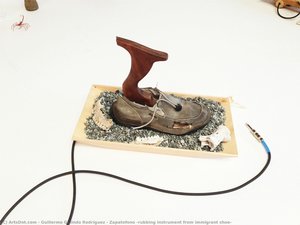
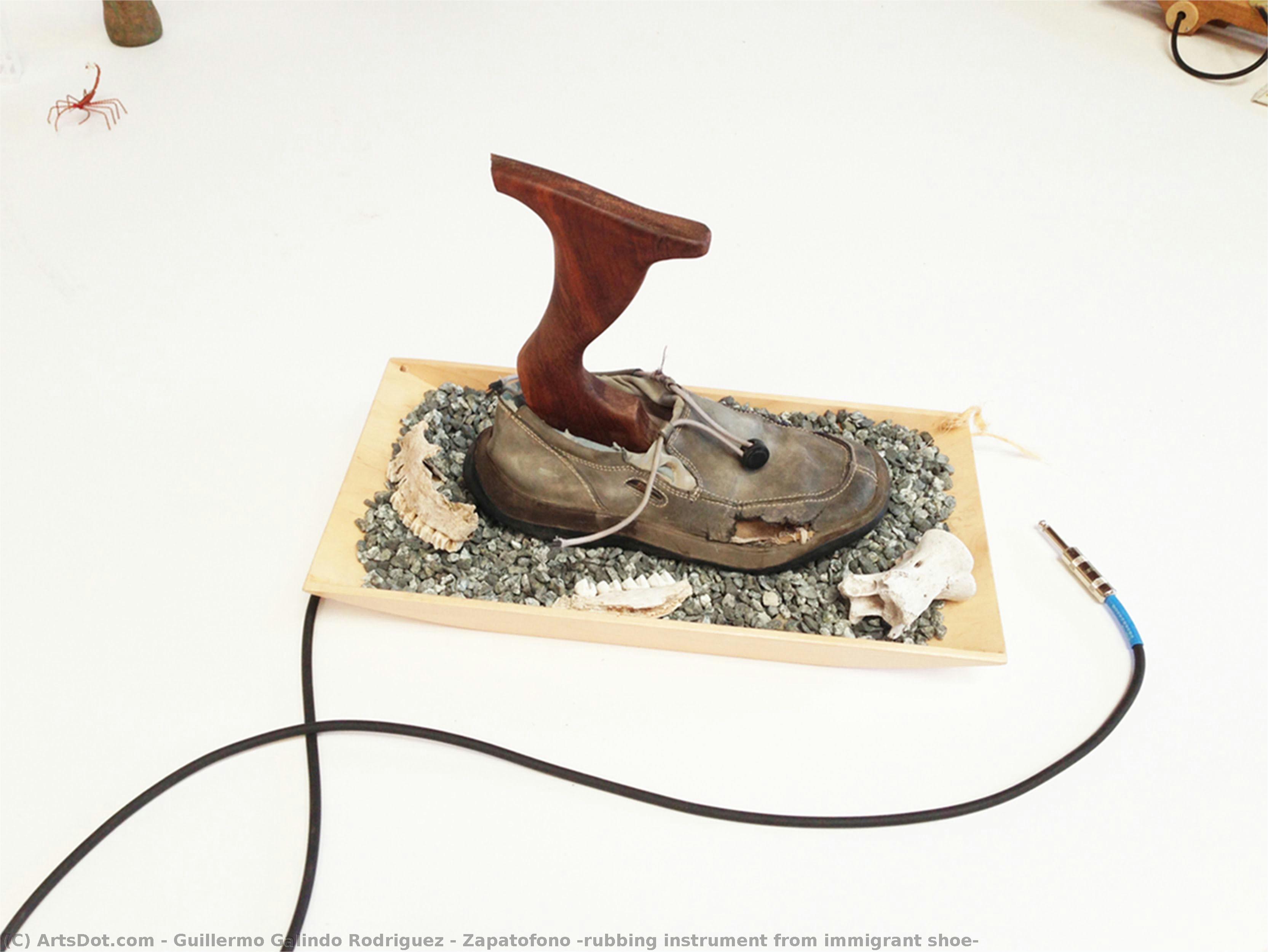
Zapatofono (rubbing instrument from immigrant shoe)


 Read More
Hand Made Oil Reproduction
Hand-painted oil on canvas in your size and frame, made to order by our artists. ( Buy Print Buy Image)




































Pick from our preset sizes that match the artwork's original proportions.

You may enter your own dimensions to fit a specific frame or space. If your selected size does not match the original image's proportions, we will either crop the artwork or extend the painting with additional hand-painted elements. A digital mockup will be sent for your approval before production begins.
Please note that the on-screen preview does not reflect the actual cropping or extension. Only the mockup will accurately show the final composition.
While custom sizes are available, we recommend selecting a dimension from the predefined list to preserve the original proportions.
After order, ArtsDot.com team will email client for instructions and provide a mockup preview
Worldwide Delivery () in 3/4 weeks instead of standard 5 weeks. (25 August). No compromise on quality.

Free Worldwide Express Shipping

High-Quality Linen Canvas

Full Shipping Insurance

Customs Tax Refund Guarantee

True Color Matching Guarantee

60-Day Return Policy (Defects Only)

100% Money-Back Guarantee

Bulk Discount Offer
 Glass option is only available in size under 110 CM

Zapatofono (rubbing instrument from immigrant shoe)
Reproduction Medium
Reproduction Size
-


Total Price
$ 263
Related Artworks
Artist Biography
A Sonic Archaeologist: The Life and Art of Guillermo Galindo
Guillermo Galindo (born in Mexico City, 1960) is a profoundly innovative artist whose work transcends conventional categorization. He isn’t simply a composer, sculptor, or performance artist; he's a sonic archaeologist, meticulously excavating the stories embedded within objects and landscapes, particularly those surrounding the U.S.-Mexico border. Galindo’s journey began with formal training in design and music—a Bachelor of Arts in Graphic Design followed by both a Bachelor’s and Master’s degree in Composition from the Escuela Nacional de Música, Berklee College of Music, and Mills College respectively. However, his artistic trajectory took an unexpected turn as he moved away from traditional Western classical forms and embraced experimental music, sound art, and performance that directly engages with social and political realities. This shift wasn't merely stylistic; it was a fundamental reorientation towards using art as a vehicle for dialogue, resistance, and the amplification of marginalized voices.From Classical Roots to Border Cantos
Initially steeped in the traditions of Western classical music, Galindo found himself increasingly drawn to exploring alternative sonic territories. He began constructing his own instruments—often from discarded materials or objects imbued with personal significance—and incorporating public participation into his performances. This period marked a crucial departure from the solitary nature of composition towards collaborative and interactive art-making. The turning point in Galindo’s career came with his sustained engagement with the U.S.-Mexico border region. Witnessing firsthand the human consequences of immigration policies, he embarked on a series of projects collectively known as Border Cantos. These works are not simply *about* the border; they *are* born from it—constructed using materials found in the desert, incorporating sounds recorded at the border wall, and often involving collaborations with migrants themselves. Border Cantos: Sight & Sound Explorations from the Mexican-American Border, a collaboration with photographer Richard Misrach, exemplifies this approach. The project combines Misrach’s starkly beautiful photographs of the border landscape with Galindo’s haunting soundscapes created from repurposed materials left behind by migrants—shoes, clothing, water bottles—transforming these discarded objects into instruments of remembrance and protest.The Language of Objects: Instrument Building as Storytelling
Central to Galindo's artistic practice is his unique approach to instrument building. He doesn’t view these creations merely as tools for producing sound but as vessels containing stories, memories, and the weight of human experience. The Zapatofono, a rubbing instrument crafted from an immigrant shoe, is perhaps the most iconic example. By transforming a discarded object—a symbol of arduous journeys and uncertain futures—into a musical instrument, Galindo invites viewers to contemplate the physical and emotional toll of migration. The act of playing the Zapatofono becomes a form of sonic archaeology, unearthing the hidden narratives embedded within the material itself. Similarly, his use of discarded materials like chain-link fence segments (reminiscent of the border wall) or plastic water bottles speaks to the broader environmental and political consequences of border policies. He often builds instruments that require collective participation, fostering a sense of community and shared responsibility in the act of creating sound.Influences and Artistic Development
Galindo’s artistic development has been shaped by a diverse range of influences. His early training in classical music provided him with a strong foundation in composition and orchestration. However, his embrace of experimental music drew inspiration from composers like John Cage and Pauline Oliveros, who challenged traditional notions of sound and performance. He also cites Mesoamerican traditions—particularly the belief that personal objects retain an individual’s life force—as a key influence on his work. This concept informs his practice of transforming discarded materials into instruments imbued with symbolic meaning. Furthermore, Galindo's engagement with political activism and social justice movements has profoundly shaped his artistic vision, leading him to create works that directly address issues of immigration, identity, and the U.S.-Mexico border.Historical Significance and Legacy
Guillermo Galindo’s work occupies a unique position within contemporary art. He challenges traditional boundaries between music, sculpture, performance, and activism, creating immersive experiences that engage viewers on multiple levels. His Border Cantos project has been widely recognized for its powerful exploration of the human consequences of immigration policies and its innovative use of sound and materials. Galindo’s art is not simply a reflection of reality; it's an intervention—a call to action, a lament for those lost, and a testament to the resilience of the human spirit. He has redefined what constitutes artistic expression by using found objects as instruments and transforming them into powerful statements about social issues. His legacy lies in his ability to create art that is both aesthetically compelling and politically charged, fostering dialogue and challenging viewers to confront uncomfortable truths about our world.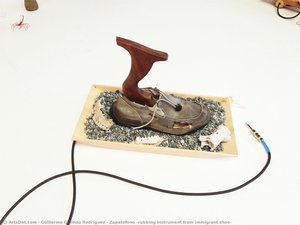
guillermo galindo rodriguez
1960 - , Mexico
Quick Facts
- Artistic Movement Or Style: Experimental music, Performance art
- Date Of Birth: 1960
- Full Name: Guillermo Galindo Rodriguez
- Nationality: Mexican
- Notable Artworks: ['Zapatofono']
- Place Of Birth: Mexico City, Mexico
Related Articles

Beyond Representation: Conceptual Art & the Enduring Legacy of Ideas
Explore the profound impact of Conceptual Art with ArtsDot. Discover its history, key artists like Duchamp & Kosuth, and learn how to collect this influential movement. Expert insights for discerning art collectors.
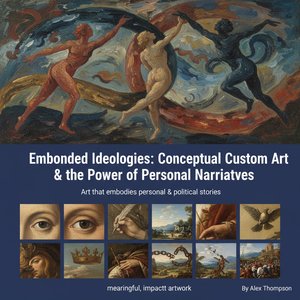
Embodied Ideologies: Conceptual Custom Art & the Power of Personal Narratives
Explore the power of conceptual custom art. Discover how hand-painted oil paintings embody personal & political narratives. Expert guidance for collectors seeking meaningful, impactful artwork.
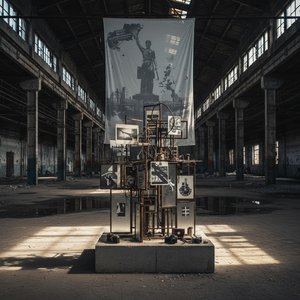
Pavlo Makov: Deconstructing Soviet Legacy Through Conceptual Photography & Installation Art
Explore the compelling work of Ukrainian artist Pavlo Makov, renowned for his conceptual photography deconstructing Soviet legacy. Discover his unique artistic process and investment potential.
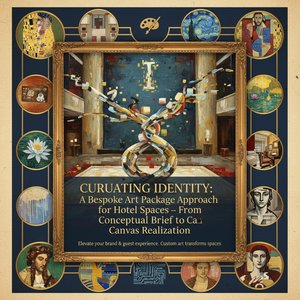
Curating Identity: A Bespoke Art Package Approach for Hotel Spaces – From Conceptual Brief to Canvas Realization
Elevate your hotel's brand & guest experience with bespoke art packages from expert consultants. Custom artwork, high-quality reproductions & strategic curation for lasting impact. Discover how art transforms spaces.
Christopher Williams: Deconstructing Representation & Materiality in Contemporary Art
Explore the groundbreaking work of Christopher Williams, a pivotal figure in contemporary art. This analysis delves into his deconstruction of representation, materiality, and institutional critique – essential reading for serious collectors.