 Preview
 Send
Send Share
Share
 Details

 Download
 Similars
 X-Ray
X-Ray Diaporama
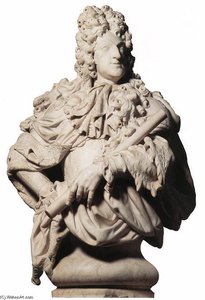
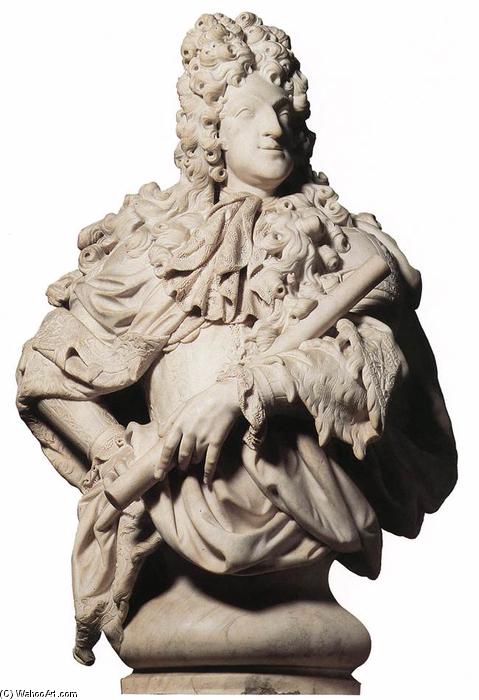
Maximilian Emmanuel of Bavaria


 Read More
Giclée / Art Print
Museum-quality giclée or canvas print with fast production and flexible finish options. ( Buy Hand Made Painting Buy Image)




































Pick from our preset sizes that match the artwork's original proportions.

You may enter your own dimensions to fit a specific frame or space. If your selected size does not match the original image's proportions, we will either crop the artwork or extend the image with a mirrored or solid-fill edge. A digital mockup will be sent for your approval before production begins.
Please note that the on-screen preview does not reflect the actual cropping or extension. Only the mockup will accurately show the final composition.
While custom sizes are available, we recommend selecting a dimension from the predefined list to preserve the original proportions.
Worldwide Delivery () in 2 weeks instead of standard 4/5 weeks. (29 August)

Free Worldwide Express Shipping

High-Quality Linen Canvas

Full Shipping Insurance

Customs Tax Refund Guarantee

True Color Matching Guarantee

60-Day Return Policy (Defects Only)

100% Money-Back Guarantee

Bulk Discount Offer
 Glass option is only available in size under 110 CM

Maximilian Emmanuel of Bavaria
Giclée / Art Print
Reproduction Size
-


Total Price
$ 63
Related Artworks



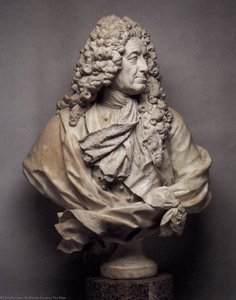
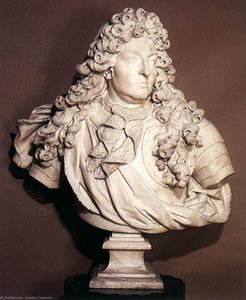
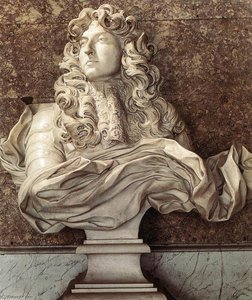


Artist Biography
The Sculpted Legacy of Guillielmus Kerricx
In the vibrant, bustling heart of the seventeenth-century Flemish art scene, few names evoke the tactile elegance of the Baroque era quite like Guillielmus Kerricx. Born in the historic town of Dendermonde in 1652, Kerricx emerged as a master whose hands could breathe life into cold marble and stone. While history often remembers the sweeping canvases of his contemporaries, Kerricx carved a distinct niche for himself within the Guild of St. Luke in Antwerp, establishing a reputation that bridged the gap between the dramatic intensity of the late Baroque and the burgeoning grace of the Rococo style. His journey was one of profound craftsmanship, moving from the rigorous training of an apprentice to the leadership of a prolific workshop that would influence the sculptural landscape of Antwerp for decades.
The essence of Kerricx’s artistry lay in his ability to navigate the transition between two monumental eras. His early works were deeply rooted in the Antwerp late Baroque tradition, characterized by a sense of movement, emotional weight, and a theatrical use of form. Yet, as his career matured, one could observe a subtle shift toward a more refined and elegant aesthetic. This evolution was not merely a change in fashion but a testament to his technical versatility. Whether he was sculpting the solemnity of funerary monuments or the delicate features of saintly statues for local churches, Kerricx possessed an uncanny ability to imbue his subjects with a sense of quiet dignity and spiritual presence.
Mastery of Form and Devotion
Kerricx’s contributions to the religious and civic fabric of Antwerp were immense. His workshop became a cornerstone of ecclesiastical art, producing much of the intricate church furniture and sculptural ornamentation that defined the period's sacred spaces. His skill was particularly evident in his marble reliefs and portrait busts, where he demonstrated a masterful command over texture and light. One of his most celebrated achievements remains the 1694 marble depiction of Maximilian Emmanuel of Bavaria, a work that showcases his ability to capture both the regal authority of a ruler and the delicate anatomical precision required of high-tier sculpture.
Beyond the grandeur of his public commissions, Kerricx’s work is noted for its intimate psychological depth. His approach to portraiture went beyond mere likeness; he sought to capture the inner character of his subjects through the subtle arrangement of drapery and the nuanced expression of facial features. This dedication to realism ensured that his works were not merely decorative objects but enduring legacies of human identity. The following elements define the breadth of his artistic output:
- Ecclesiastical Art: The creation of statues of saints and ornate church furniture that served as focal points for devotion in Antwerp's many cathedrals.
- Portraiture in Stone: Highly detailed portrait busts that utilized the interplay of light and shadow to convey status and personality.
- Architectural Integration: A seamless blending of sculpture with architectural elements, particularly in his work on funerary monuments and religious reliefs.
A Lasting Impression on Flemish Art
The significance of Guillielmus Kerricx extends far beyond his individual lifetime. As a master of the Guild, he played a vital role in maintaining the high standards of Flemish craftsmanship, mentoring a lineage of artists that included his son, Willem Ignatius Kerricx. This continuity allowed the family workshop to remain a dominant force in Antwerp’s artistic community well into the middle of the eighteenth century. His ability to adapt to the changing tastes of Europe—moving from the heavy, dramatic shadows of the seventeenth century toward the lighter, more decorative sensibilities of the next—marks him as a pivotal figure in the transition of Flemish sculptural history.
Today, when we look upon the surviving works of Kerricx, we see more than just stone; we see the pulse of an era. His legacy is etched into the very architecture of Antwerp, a permanent reminder of a man who could transform the rigid medium of marble into a flowing narrative of faith, power, and human emotion. Through his meticulous attention to detail and his profound understanding of form, Kerricx ensured that his name would remain forever intertwined with the golden age of Flemish art.
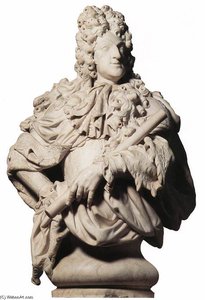
guillielmus kerricx
1652 - 1719 , France
Quick Facts
- Artistic Movement Or Style: Baroque
- Artists Or Movements Influenced By This Artist: ['Rubens']
- Artists Who Influenced This Artist: ['Peter Paul Rubens']
- Date Of Birth: 1652 Dendermonde France
- Date Of Death: 1719 Antwerpen
- Full Name: Guillielmus Kerricx
- Nationality: Flemish
- Notable Artworks: ['Portrait of Maximilian Emmanuel']
- Place Of Birth: Dendermonde France