

 Preview
 Send
Send Share
Share
 Details

 Download
 Similars
 X-Ray
X-Ray Diaporama
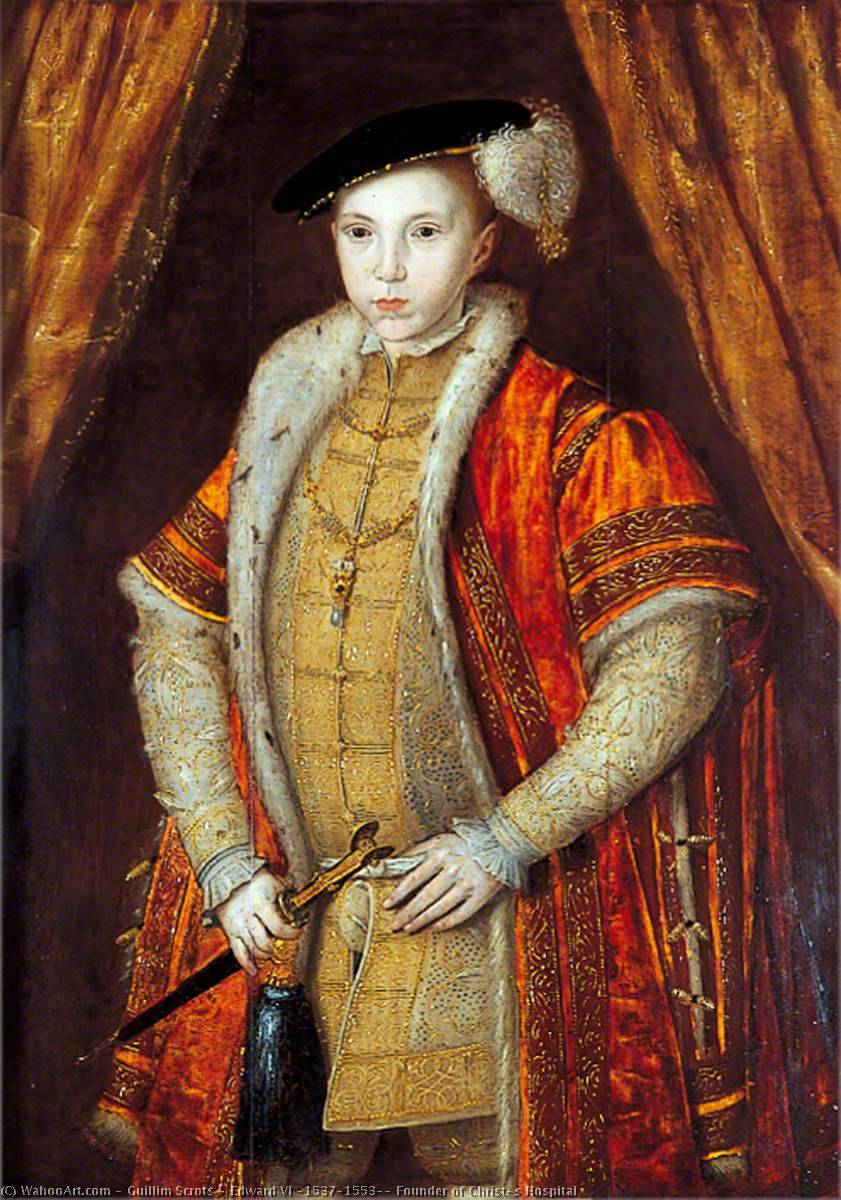
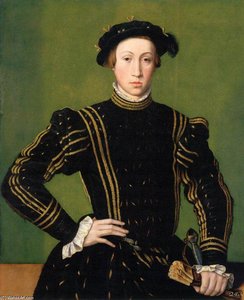
Edward VI (1537–1553), Founder of Christ's Hospital
 99.0 x 71.0 cm
 Christ's Hospital
 Read More
Purchase a high-resolution, enhanced digital image, far superior to the online preview.
Each file is meticulously prepared by our in-house specialists using advanced tools and expert manual retouching. We ensure every image has exceptional clarity, precise color accuracy, and fine detail.
The final file is delivered via email within 72 hours, optimized for immediate use in professional, editorial, and print environments. This is the same quality trusted by top-tier design studios, publishers, and galleries.
Digital Image
Download a high-resolution file for personal display, printing, and creative projects. ( Buy Print Buy Hand Made Painting)
Included in Every Digital Image Order
Expert Digital Delivery, Guaranteed
When you choose ArtsDot.com, you're not just getting an image - you're receiving a professionally enhanced digital artwork, crafted with precision and backed by a satisfaction guarantee. Here's everything that comes with your order, automatically:

Fast Email Delivery
Your high-resolution digital image file will be emailed to you within 72 hours of ordering - ready for immediate use.

AI-Enhanced Digital File
Your artwork is professionally optimized using advanced AI tools and manual editing, ensuring maximum detail, clarity, and color accuracy.

Free Lifetime Re-Delivery
Accidentally deleted or lost your file? No worries - we'll resend it to you anytime, free of charge.

No Import Fees - Ever
Enjoy your artwork instantly with zero customs, duties, or delivery fees - digital downloads are always tax-free.

Color Accuracy Guarantee
We ensure your digital image reflects the original colors as closely as possible using professional tools and color management.

60-Day Satisfaction Guarantee
If you're not satisfied with your digital image, we'll revise it or refund 100% within 60 days - no questions asked.

100% Money-Back Guarantee
Not satisfied? Get a full refund within 60 days of receiving your digital file - no questions asked.

Bulk Order Discounts
Buy 3 images, save 10% - Buy 5, save 15% - Buy 10+, save 20%. Great for creative projects, galleries, and agencies.
Related Artworks







Artist Biography
The Enigmatic Master of the Tudor Court
In the grand, shifting tapestry of the sixteenth century, few figures loom as mysteriously yet brilliantly as Guillim Scrots. A painter whose very name seems to flicker between various spellings—Scrotes, Stretes, or William—he emerged from the shadows of the Low Countries to redefine the visual language of the English monarchy. While much of his early life remains shrouded in the mists of history, his arrival on the European stage in 1537 as the court painter to Mary of Austria, Regent of the Netherlands, signaled the ascent of a true virtuoso. Scrots was not merely a chronicler of faces; he was an architect of prestige, bringing the sophisticated, burgeoning Mannerist style from the vibrant artistic hubs of Antwerp directly into the heart of the Tudor court.
His transition to England in the mid-1540s marked a seismic shift in royal patronage. Succeeding the legendary Hans Holbein the Younger, Scrots was accorded a staggering annual salary of £62 10s—a sum nearly double that of his predecessor. This extraordinary compensation speaks volumes of the immense value King Henry VIII placed on Scrots’s ability to project power through art. As the court painter, he became the primary visual instrument for a monarchy eager to assert its legitimacy and grandeur on the global stage, blending the meticulous detail of Flemish tradition with a new, dramatic flair that would captivate both monarchs and ambassadors alike.
A Symphony of Mannerist Innovation
What truly distinguished Scrots from the more naturalistic traditions of his predecessors was his embrace of the Mannerist aesthetic. This movement, characterized by an intentional departure from classical balance in favor of elegance, artifice, and complexity, found its perfect vessel in his brushwork. His compositions often featured elongated figures, meticulously rendered drapery that seemed to possess a life of its own, and a sophisticated use of light and shadow to create depth and drama. He moved beyond the mere imitation of reality, instead seeking to infuse his subjects with a heightened, almost otherworldly significance through symbolic ornamentation and classical references.
Perhaps his most breathtaking achievement was his mastery of optical illusion and perspective. Scrots possessed an uncanny ability to manipulate the viewer's perception, most famously demonstrated in his anamorphic portrait of King Edward VI. In this technical marvel, the image appears distorted and unrecognizable from a direct view, only resolving into a clear, striking profile when viewed from a sharp, oblique angle. Such "optical tricks" were not mere parlor games; they were profound statements on the nature of truth, perception, and the hidden complexities of power. This fascination with perspective allowed him to create works that functioned as both portraits and intellectual puzzles, engaging the most learned minds of the Renaissance.
Legacy and the Twilight of a Career
The career of Scrots was as intense as it was brief. He continued to serve the crown through the transition from the reign of Henry VIII to the childhood of Edward VI, providing the young king with full-length portraits that served as vital diplomatic gifts for foreign monarchs. These works, often characterized by their monumental scale and regal poise, were designed to command respect in the courts of Europe. However, the political upheavals following the death of Edward VI in 1553 likely brought an abrupt end to his royal patronage. As the throne passed to Mary I, the artist’s recorded presence in England vanished, leaving behind a legacy of brilliant, enigmatic fragments.
Though much of his biography remains lost to time, the historical significance of Guillim Scrots is undeniable. He acted as a vital bridge between the Northern Renaissance and the more stylized Mannerist era, injecting a sense of European sophistication into the English artistic consciousness. His influence can be seen in the way subsequent generations approached royal portraiture—not just as a record of likeness, but as a complex interplay of symbolism, technical prowess, and psychological depth. Today, his surviving works remain enduring testaments to a period of immense cultural transformation, reminding us of a time when art was the ultimate language of majesty.
Quick Facts
- Artistic Movement Or Style: Mannerist
- Artists Or Movements Influenced By This Artist:
- Francis I
- Ferdinand I
- Artists Who Influenced This Artist: ['Hans Holbein']
- Full Name: Guillim Scrots
- Nationality: Dutch
- Notable Artworks: ['Henry Howard, Earl of Surrey']
- Place Of Birth: Flemish

