 Preview
 Send
Send Share
Share
 Details

 Download
 Similars
 X-Ray
X-Ray Diaporama
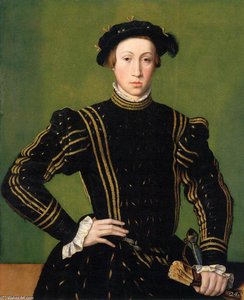
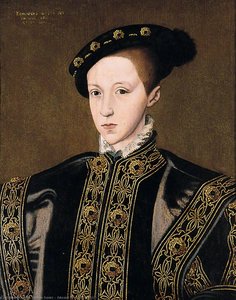
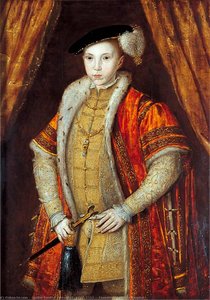
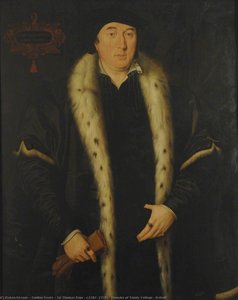
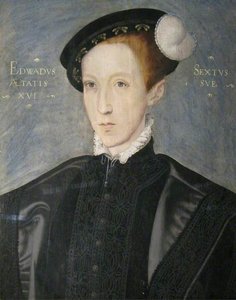
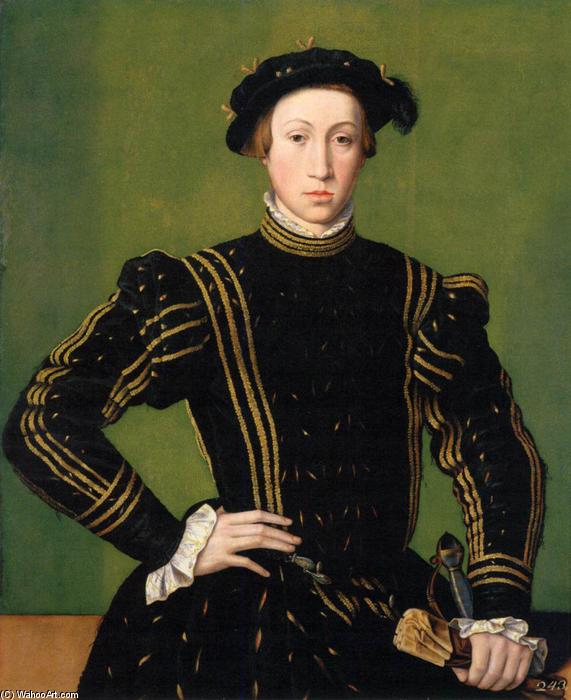
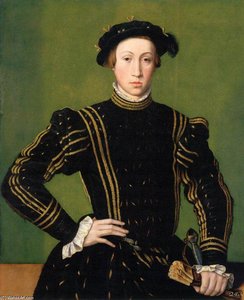
Portrait of Maximilian II


 Read More
Giclée / Art Print
Museum-quality giclée or canvas print with fast production and flexible finish options. ( Buy Hand Made Painting Buy Image)




































Pick from our preset sizes that match the artwork's original proportions.

You may enter your own dimensions to fit a specific frame or space. If your selected size does not match the original image's proportions, we will either crop the artwork or extend the image with a mirrored or solid-fill edge. A digital mockup will be sent for your approval before production begins.
Please note that the on-screen preview does not reflect the actual cropping or extension. Only the mockup will accurately show the final composition.
While custom sizes are available, we recommend selecting a dimension from the predefined list to preserve the original proportions.
Worldwide Delivery () in 2 weeks instead of standard 4/5 weeks. (21 August)

Free Worldwide Express Shipping

High-Quality Linen Canvas

Full Shipping Insurance

Customs Tax Refund Guarantee

True Color Matching Guarantee

60-Day Return Policy (Defects Only)

100% Money-Back Guarantee

Bulk Discount Offer
 Glass option is only available in size under 110 CM

Portrait of Maximilian II
Giclée / Art Print
Reproduction Size
-


Total Price
$ 63
Related Artworks







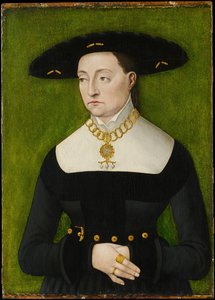
Artist Biography
Guillim Scrots: A Mannerist Innovator Shaping Tudor Portraiture
William (or Guillim) Scrots (c. 1507–1553), a Flemish painter who established himself as King’s Painter to Henry VIII in England, remains an enigmatic figure within the artistic landscape of the Tudor period. Despite limited biographical details—his early life and training shrouded in obscurity—Scrots achieved considerable renown for his distinctive approach to portraiture, particularly his masterful manipulation of perspective and incorporation of symbolic elements that reflected the broader currents of Mannerist art.
- Early Life & Training: Precise information regarding Scrots’s origins is scarce. He emerged onto the artistic scene in 1537 when appointed court painter to Mary of Austria, Regent of the Netherlands, marking a pivotal moment in his career and signaling an engagement with the burgeoning Mannerist style prevalent across Europe. However, scholarly consensus suggests that he honed his skills primarily in Antwerp, where he absorbed influences from prominent Flemish artists like Hans Holbein the Younger.
- Service Under Henry VIII: Scrots’s arrival in England in 1546 coincided with Henry VIII's ambitious patronage of the arts—a conscious effort to elevate England’s prestige on the European stage. Receiving a staggering annual salary (£62 10s), twice that of Holbein, Scrots became arguably the wealthiest artist in the kingdom and undertook several significant commissions, most notably the portraits of Edward VI and Henry Howard, Earl of Surrey.
- The Mannerist Aesthetic: Scrots’s artistic vision was firmly rooted in the Mannerist movement—characterized by elongated figures, stylized drapery, dramatic lighting, and meticulous detail. Unlike Holbein's more idealized depictions, Scrots embraced a heightened realism infused with symbolic references to classical mythology and humanist philosophy. This stylistic choice is evident in his portraits of Edward VI, where he skillfully employed anamorphic perspective—a technique popularized by Holbein—to create an illusionistic image that defied conventional viewing angles.
- Notable Works & Legacy: Among Scrots’s most celebrated achievements are the monumental portraits of Henry VIII and Elizabeth I—works that exemplify the grandeur and sophistication of Tudor royal portraiture. Furthermore, his depiction of Edward VI stands apart due to its innovative use of perspective and its incorporation of humanist symbolism. The enduring fascination with Scrots's oeuvre stems from his pioneering role in disseminating Mannerist principles within England and cementing his place as a pivotal figure in shaping the visual culture of the Renaissance.
- Assessment & Historiographical Debate: Art historians have debated Scrots’s artistic merit for decades, acknowledging his technical prowess while questioning the extent of his creative imagination. Nevertheless, Ellis Waterhouse championed Scrots's contribution to Tudor art, emphasizing his awareness of contemporary trends and his ability to elevate English portraiture to new heights. His influence extended beyond individual commissions, shaping stylistic conventions and fostering a dialogue between Mannerist innovation and humanist ideals.
Scrots’s legacy continues to inspire artists and scholars alike—a testament to the enduring power of Mannerist artistry and its transformative impact on Tudor England's artistic identity.
Quick Facts
- Artistic Movement Or Style: Mannerist
- Artists Or Movements Influenced By This Artist:
- Francis I
- Ferdinand I
- Artists Who Influenced This Artist: ['Hans Holbein']
- Full Name: Guillim Scrots
- Nationality: Dutch
- Notable Artworks: ['Henry Howard, Earl of Surrey']
- Place Of Birth: Flemish