 Preview
 Send
Send Share
Share
 Details

 Download
 Similars
 X-Ray
X-Ray Diaporama
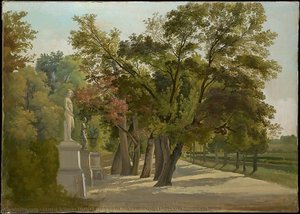
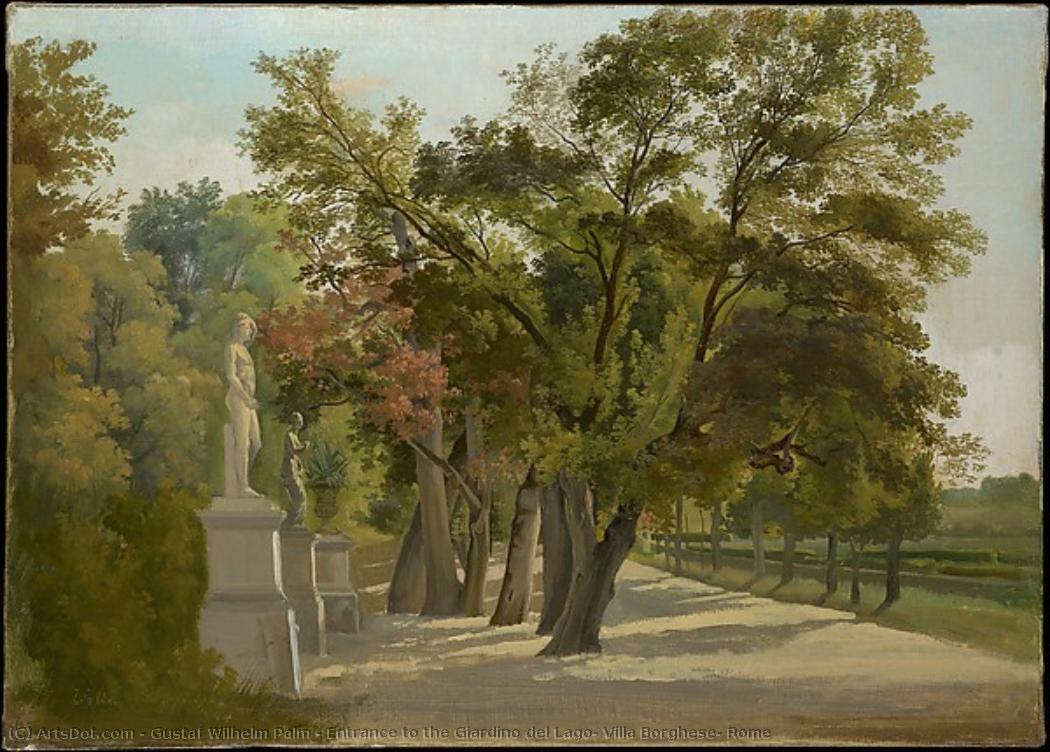
Entrance to the Giardino del Lago, Villa Borghese, Rome
 1844
1844 33.0 x 46.0 cm
 Metropolitan Museum of Art
 Read More
Hand Made Oil Reproduction
Hand-painted oil on canvas in your size and frame, made to order by our artists. ( Buy Print Buy Image)




































Pick from our preset sizes that match the artwork's original proportions.

You may enter your own dimensions to fit a specific frame or space. If your selected size does not match the original image's proportions, we will either crop the artwork or extend the painting with additional hand-painted elements. A digital mockup will be sent for your approval before production begins.
Please note that the on-screen preview does not reflect the actual cropping or extension. Only the mockup will accurately show the final composition.
While custom sizes are available, we recommend selecting a dimension from the predefined list to preserve the original proportions.
After order, ArtsDot.com team will email client for instructions and provide a mockup preview
Worldwide Delivery () in 3/4 weeks instead of standard 5 weeks. (3 September). No compromise on quality.

Free Worldwide Express Shipping

High-Quality Linen Canvas

Full Shipping Insurance

Customs Tax Refund Guarantee

True Color Matching Guarantee

60-Day Return Policy (Defects Only)

100% Money-Back Guarantee

Bulk Discount Offer
 Glass option is only available in size under 110 CM

Entrance to the Giardino del Lago, Villa Borghese, Rome
Reproduction Medium
Reproduction Size
-


Total Price
$ 263
Related Artworks










Artist Biography
The Visionary Landscapes of Gustaf Wilhelm Palm
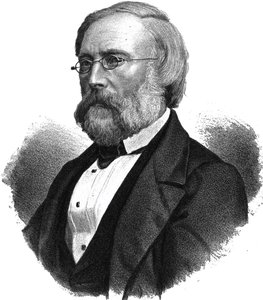
In the annals of Swedish art history, few names evoke the serene majesty of the natural world as poignantly as Gustaf Wilhelm Palm. Born on March 14, 1810, near Kristianstad, Palm emerged as a pivotal figure who bridged the gap between the emotional intensity of Romanticism and the meticulous precision of realism. His journey began not with a brush, but with the keen eye of a naturalist; his early years were defined by an intimate fascination with the biological wonders of the earth. This scientific curiosity manifested in delicate illustrations for botanical works, such as Carl Adolph Agardh’s studies on European algae, establishing a foundation of observational excellence that would later define his legendary landscapes.
Palm's artistic evolution was nurtured through a series of profound encounters with both mentors and the wild terrains of Europe. Under the guidance of Anders Arvid Arvidsson in Lund, he mastered the fundamental language of drawing, a skill that allowed him to translate the complexities of nature onto canvas. His subsequent admission to the Royal Swedish Academy of Fine Arts brought him into the orbit of masters like Sven Nilsson and Johan Gustaf Sandberg, whose commitment to realism deeply informed his technique. However, it was his 1833 expedition to Norway, traveling alongside Mikael Gustaf Anckarsvär and inspired by the dramatic vistas of Johan Christian Dahl, that truly expanded his soul. From these rugged northern landscapes, Palm learned to capture not just the physical form of a mountain or forest, but the very atmosphere—the mist, the light, and the fleeting emotional resonance of the wilderness.
A Roman Sojourn and the Neoclassical Light
The most transformative chapter of Palm’s life unfolded during his decade-long residency in Rome, spanning from 1841 to 1851. It was here, amidst the sun-drenched ruins and lush Mediterranean greenery, that he refined his identity as a premier painter of neoclassical landscapes. The Italian light, far removed from the muted tones of Scandinavia, offered him a new palette of brilliance and clarity. He became a frequent visitor to the gardens of the Villa Borghese, where he produced numerous sketches and oil studies that captured the quiet elegance of the Giardino del Lago. While Palm often viewed these Mediterranean studies as mere preparatory exercises rather than finished masterpieces, their exhibition in Stockholm in 1850 ignited a fervent passion within the Swedish public, who were captivated by his ability to transport them to the warmth of the south.
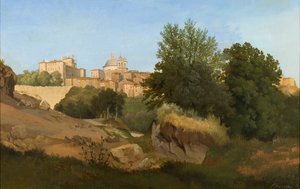
His work from this period represents a sublime marriage of styles. One can observe the lingering echoes of Carl Johan Fahlcrantz’s Romanticism in the way Palm handles light and shadow, yet this is tempered by a disciplined, almost scientific accuracy inherited from his early botanical training. Whether depicting the sweeping vistas of Ariccia or the intimate corners of an Italian garden, his canvases possess a rhythmic harmony that speaks to both the grandeur of nature and the delicate balance of its ecosystems.
Legacy and Artistic Significance
Beyond his individual canvases, Gustaf Wilhelm Palm left an indelible mark on the academic landscape of Sweden. As an art professor, he passed down the values of rigorous observation and emotional sincerity to a new generation of painters. His life’s work serves as a vital historical record of the 19th-century European landscape tradition, documenting the shift from the dramatic, often turbulent Romantic era toward a more grounded, luminous realism.
Today, his contributions are preserved in some of the world's most prestigious institutions, ensuring that his vision of the natural world remains timeless. His legacy can be summarized through several key pillars of his career:
- The Synthesis of Science and Art: His ability to merge botanical precision with painterly expression.
- Cultural Bridge-Building: Bringing the light and classical beauty of Italy to the Swedish artistic consciousness.
- Mastery of Atmosphere: The profound skill in capturing the ephemeral qualities of weather, light, and season.
- Academic Influence: His role in shaping the pedagogical standards of the Royal Swedish Academy of Fine Arts.
Ultimately, the art of Gustaf Wilhelm Palm invites us to look closer at the world around us—to see the intricate detail in a leaf and the epic drama in a distant horizon. He remains a master of the landscape, a painter who did not merely depict scenery, but captured the very breath of the earth.
Quick Facts
- Artistic Movement Or Style: Romantic Landscape Painting
- Artists Or Movements Influenced By This Artist: ['Düsseldorf School']
- Artists Who Influenced This Artist:
- Carl Johan Fahlcrantz
- Johan Christian Dahl
- Date Of Birth: March 14, 1810
- Date Of Death: September 20, 1890
- Full Name: Gustaf Wilhelm Palm
- Nationality: Swedish
- Notable Artworks:
- View of Ariccia
- Entrance to the Giardino del Lago
- Place Of Birth: Herrelöv’s Farm, Sweden