 Preview
 Send
Send Share
Share
 Details

 Download
 Similars
 X-Ray
X-Ray Diaporama
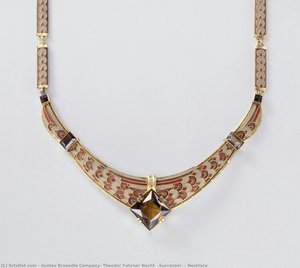
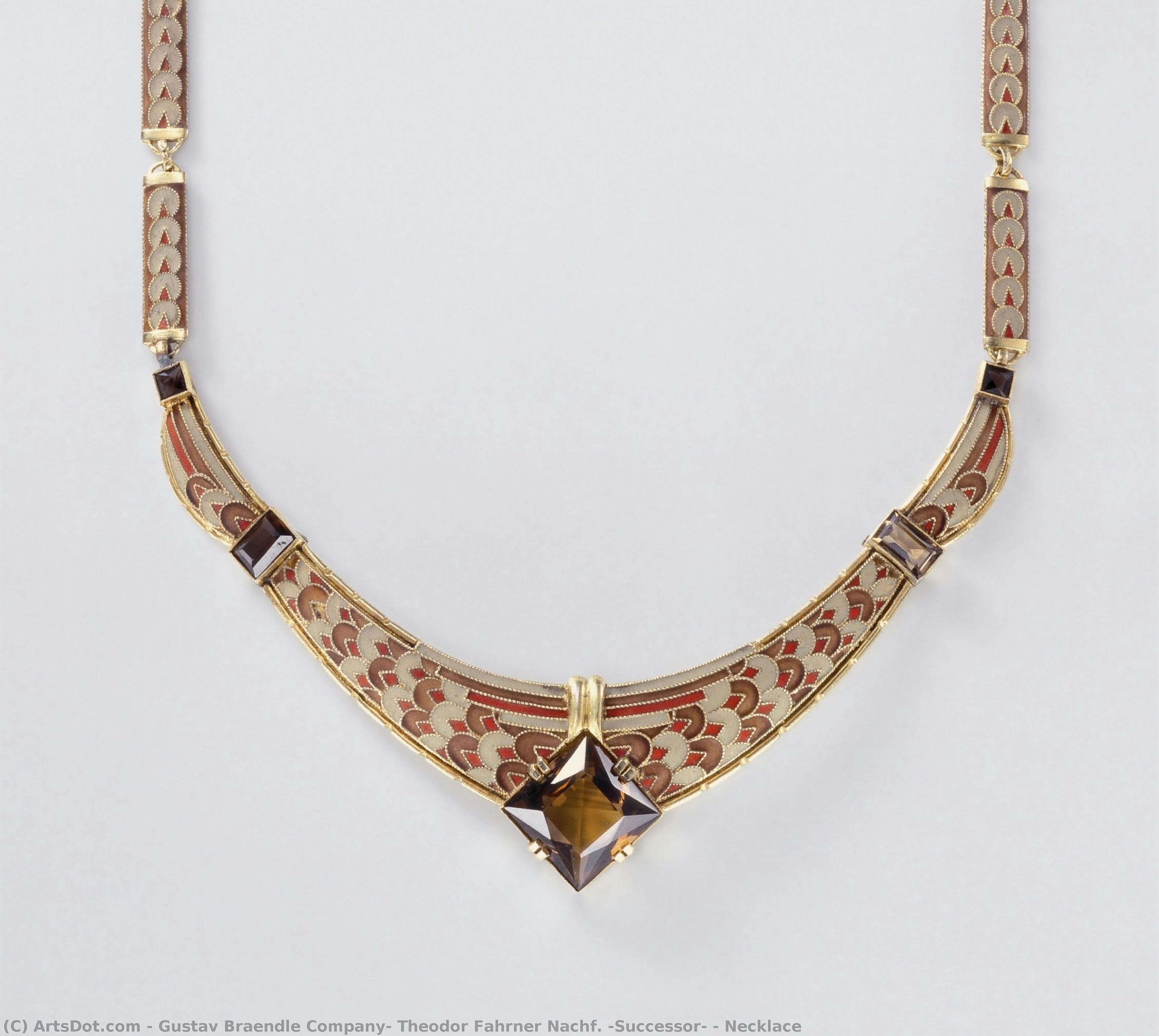
Necklace


 Read More
Giclée / Art Print
Museum-quality giclée or canvas print with fast production and flexible finish options. ( Buy Hand Made Painting Buy Image)




































Pick from our preset sizes that match the artwork's original proportions.

You may enter your own dimensions to fit a specific frame or space. If your selected size does not match the original image's proportions, we will either crop the artwork or extend the image with a mirrored or solid-fill edge. A digital mockup will be sent for your approval before production begins.
Please note that the on-screen preview does not reflect the actual cropping or extension. Only the mockup will accurately show the final composition.
While custom sizes are available, we recommend selecting a dimension from the predefined list to preserve the original proportions.
Worldwide Delivery () in 2 weeks instead of standard 4/5 weeks. (30 August)

Free Worldwide Express Shipping

High-Quality Linen Canvas

Full Shipping Insurance

Customs Tax Refund Guarantee

True Color Matching Guarantee

60-Day Return Policy (Defects Only)

100% Money-Back Guarantee

Bulk Discount Offer
 Glass option is only available in size under 110 CM

Necklace
Giclée / Art Print
Reproduction Size
-


Total Price
$ 63
Related Artworks






Artist Biography
The Enduring Legacy of Gustav Braendle and Theodor Fahrner
The story of Gustav Braendle Company, later succeeded by Theodor Fahrner Nachf., is a fascinating chronicle of artistic innovation interwoven with the industrial realities of late 19th and early 20th century Germany. It’s a tale not simply of metalwork, but of a deliberate embrace of the *Jugendstil* (Art Nouveau) movement, transforming functional objects into expressions of poetic beauty. While Gustav Braendle initially established his workshop in Pforzheim – a city already renowned for its goldsmithing traditions – it was the partnership with Theodor Fahrner that propelled the company to international acclaim. Braendle’s early work demonstrated a mastery of traditional techniques, but he possessed an inquisitive spirit, keenly observing the burgeoning artistic currents sweeping Europe. He recognized the potential in adapting the flowing lines and organic motifs of Art Nouveau to the medium of pewter and silver, seeking to democratize access to aesthetically pleasing design beyond the confines of aristocratic patronage.From Workshop to Industrial Artistry
The crucial turning point arrived with Theodor Fahrner’s involvement. Fahrner wasn't a craftsman himself, but a shrewd businessman with an exceptional eye for talent and marketing. He understood that Braendle’s designs needed a wider platform than a small workshop could provide. Fahrner established a factory in Pforzheim, skillfully blending artisanal skill with industrial production methods. This allowed for the creation of more affordable pieces, bringing *Jugendstil* design to a broader middle-class audience. The company became known for its distinctive pewter work – often adorned with enamel and semi-precious stones – but also produced high-quality silver items. A key element of Fahrner’s success was his commitment to collaboration. He employed a team of talented designers, including artists like Hans Unger and Wilhelm Wagenfeld, fostering an environment where creativity flourished. This collaborative spirit ensured that the company remained at the forefront of design innovation throughout its most productive years. The firm's pieces weren’t merely manufactured; they were conceived as holistic works of art, from the initial sketch to the final polish.Aesthetic Characteristics and Influences
The aesthetic hallmarks of Gustav Braendle/Fahrner designs are immediately recognizable. They embody the core principles of *Jugendstil*: flowing, asymmetrical lines inspired by natural forms – particularly plants and flowers – a preference for muted colors, and an emphasis on craftsmanship. However, their work wasn’t simply imitative of other Art Nouveau styles. They developed a uniquely German sensibility, characterized by a certain robustness and practicality alongside the decorative flourishes.- Naturalism: Motifs drawn from the natural world – irises, lilies, dragonflies, peacocks – were frequently incorporated into their designs.
- Geometric Abstraction: While rooted in nature, their work also exhibited a growing interest in geometric forms and simplified shapes, foreshadowing later developments in modern design.
- Enamel Work: The skillful application of enamel – often in vibrant jewel tones – added depth and richness to the pewter surfaces.
- Symbolism: Certain motifs carried symbolic weight, reflecting broader cultural concerns of the era. For example, peacocks were associated with beauty and immortality, while irises symbolized hope and faith.