

 Preview
 Send
Send Share
Share
 Details

 Download
 Similars
 X-Ray
X-Ray Diaporama
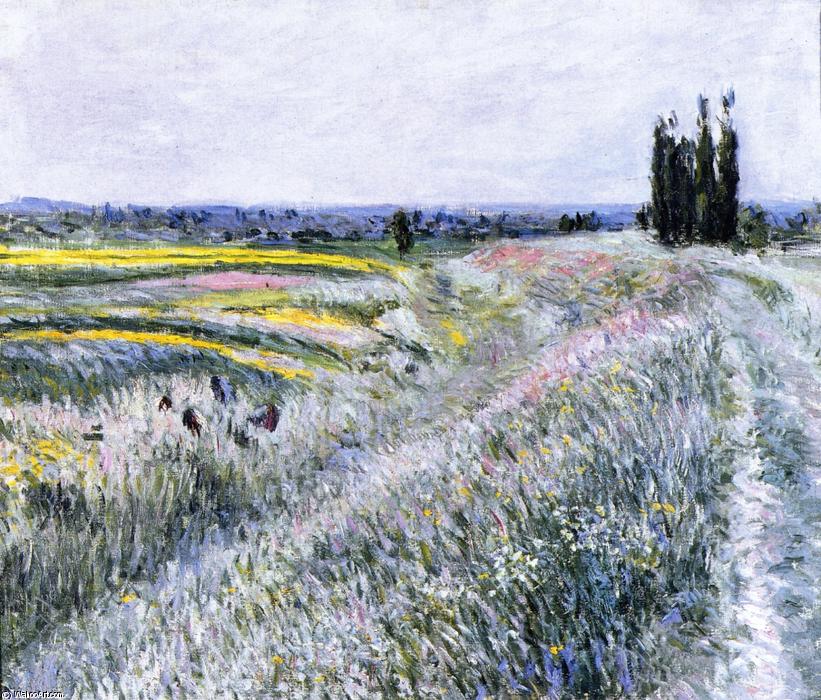
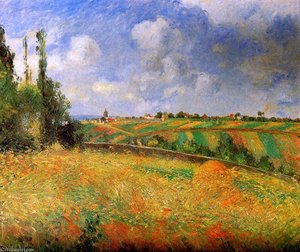
The Plain at Gennevilliers, Group of Poplars
 Oil On Canvas
- WallArt
- Impressionism
 1883
1883- 19th Century
 54.0 x 65.0 cm
 Read More
Purchase a high-resolution, enhanced digital image, far superior to the online preview.
Each file is meticulously prepared by our in-house specialists using advanced tools and expert manual retouching. We ensure every image has exceptional clarity, precise color accuracy, and fine detail.
The final file is delivered via email within 72 hours, optimized for immediate use in professional, editorial, and print environments. This is the same quality trusted by top-tier design studios, publishers, and galleries.
Digital Image
Download a high-resolution file for personal display, printing, and creative projects. ( Buy Print Buy Hand Made Painting)
Included in Every Digital Image Order
Expert Digital Delivery, Guaranteed
When you choose ArtsDot.com, you're not just getting an image - you're receiving a professionally enhanced digital artwork, crafted with precision and backed by a satisfaction guarantee. Here's everything that comes with your order, automatically:

Fast Email Delivery
Your high-resolution digital image file will be emailed to you within 72 hours of ordering - ready for immediate use.

AI-Enhanced Digital File
Your artwork is professionally optimized using advanced AI tools and manual editing, ensuring maximum detail, clarity, and color accuracy.

Free Lifetime Re-Delivery
Accidentally deleted or lost your file? No worries - we'll resend it to you anytime, free of charge.

No Import Fees - Ever
Enjoy your artwork instantly with zero customs, duties, or delivery fees - digital downloads are always tax-free.

Color Accuracy Guarantee
We ensure your digital image reflects the original colors as closely as possible using professional tools and color management.

60-Day Satisfaction Guarantee
If you're not satisfied with your digital image, we'll revise it or refund 100% within 60 days - no questions asked.

100% Money-Back Guarantee
Not satisfied? Get a full refund within 60 days of receiving your digital file - no questions asked.

Bulk Order Discounts
Buy 3 images, save 10% - Buy 5, save 15% - Buy 10+, save 20%. Great for creative projects, galleries, and agencies.
Collectible Description
A Glimpse of Rural Tranquility: Gustave Caillebotte's "The Plain at Gennevilliers, Group of Poplars"
Gustave Caillebotte’s “The Plain at Gennevilliers, Group of Poplars,” painted in 1883, offers a serene and captivating depiction of the French countryside. This oil on canvas (54 x 65 cm) exemplifies Impressionism's focus on capturing fleeting moments and the beauty of everyday life. The painting portrays a vibrant field brimming with yellow flowers in the foreground, leading the eye towards a dirt road flanked by a striking group of poplars. Several figures are seen strolling along the path, adding a touch of human presence to this otherwise natural scene. It’s a work that invites contemplation and evokes feelings of peace and appreciation for nature's simple elegance.
Artistic Style and Technique: Impressionism in Detail
Caillebotte was a key figure within the Impressionist movement, though his style often leaned towards a more realistic portrayal compared to some of his contemporaries. In "The Plain at Gennevilliers," this is evident in the meticulous detail with which he renders the landscape elements – the texture of the dirt road, the individual leaves on the trees, and the figures walking along the path. The use of oil on canvas allows for a rich depth of color and subtle gradations that are characteristic of Impressionist technique. Caillebotte masterfully uses light to create a sense of atmosphere, capturing the warmth of a sunny day. His brushstrokes, while visible, aren't as loose or fragmented as those found in some other Impressionists’ works; instead, they contribute to a feeling of clarity and precision.
Historical Context: Capturing Modern Life
The painting was created during a period of rapid industrialization and urbanization in France. While many artists focused on depicting the bustling cityscapes of Paris, Caillebotte chose to portray the quieter beauty of the countryside surrounding it. This reflects a broader interest within Impressionism to document modern life in all its forms – not just the urban excitement but also the enduring charm of rural landscapes. The depiction of people leisurely enjoying the outdoors speaks to a changing social landscape where leisure time and appreciation for nature were becoming increasingly valued. Caillebotte’s work, therefore, provides a valuable snapshot of French society during the late 19th century.
Symbolism and Emotional Impact
While seemingly straightforward in its depiction, "The Plain at Gennevilliers" carries subtle symbolic weight. The poplars themselves, with their distinctive silhouettes, can be interpreted as symbols of resilience and strength against the backdrop of a vast field. The figures strolling along the path represent human connection to nature and the simple pleasures of life. The vibrant yellow flowers symbolize joy and optimism. Overall, the painting evokes a sense of tranquility, harmony, and appreciation for the beauty of the natural world. It’s an invitation to pause, observe, and find solace in the quiet moments of everyday existence.
Further Exploration: Caillebotte's Oeuvre
“The Plain at Gennevilliers” is just one example of Caillebotte’s remarkable talent. Other notable works include Angling, The Briard Plain, and Bathers on the Banks of the Yerres. These paintings showcase his versatility as an artist and his ability to capture a wide range of subjects with precision and sensitivity. His work is also featured in prominent museums such as the Centre for Fine Arts (BOZAR) in Brussels, Belgium.
Related Artworks

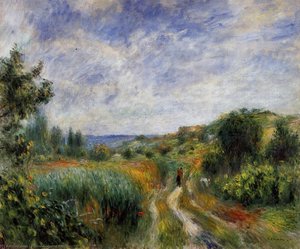
Artist Biography
A Parisian of the New Age: The Life and Art of Gustave Caillebotte
Gustave Caillebotte, born into a prosperous Parisian family in 1848, was an artist uniquely positioned to capture the dramatic transformations reshaping his city. His father, Martial Caillebotte, inherited a successful textile business and served as a judge, providing Gustave with both financial security and a vantage point from which to observe the burgeoning modern world. While initially pursuing legal studies – earning degrees in law in 1868 and 1870 – Caillebotte’s true calling lay within the realm of art. He began serious training under Léon Bonnat, immersing himself in painting while simultaneously developing a keen interest in photography, an emerging medium that would profoundly influence his artistic vision. This early exposure to photographic principles—its framing, perspective, and capturing of fleeting moments—would become hallmarks of his distinctive style. Caillebotte wasn’t merely documenting change; he was actively engaging with the aesthetic possibilities it presented.Realism Infused with Impressionist Light
Caillebotte's artistic path diverged from strict academic tradition, yet he never fully embraced the purely optical explorations of many of his Impressionist contemporaries. He found kinship with artists like Edgar Degas and Giuseppe de Nittis, sharing a fascination with modern life but approaching it through a lens of meticulous realism. His early masterpiece, Les Raboteurs de Parquet (The Floor Scrapers), exhibited at the 1875 Salon, immediately established his reputation as a bold and unconventional painter. The work depicts three laborers painstakingly scraping a wooden floor, rendered with an unflinching honesty that shocked some viewers while captivating others. It wasn’t simply the subject matter—the working class rarely graced the canvases of high art—but also the composition: cropped, almost jarringly direct, and devoid of sentimental idealization. This commitment to portraying contemporary life without embellishment continued in works like The Iron Bridge, where he masterfully captured the industrial landscape of a rapidly changing Paris. However, Caillebotte wasn’t immune to the influence of Impressionism; his palette gradually lightened, and he began experimenting with broken brushstrokes and atmospheric effects, particularly evident in his stunning views of Parisian rooftops blanketed in snow, such as View of Rooftops (Snow).A Patron and a Pioneer: Navigating the Art World
Beyond his own artistic endeavors, Caillebotte played a crucial role in supporting the Impressionist movement. His financial independence allowed him to become a significant patron, purchasing works by Monet, Renoir, Pissarro, Cézanne, Degas, and others at a time when their art was largely rejected by the official Salon. He wasn’t merely a collector; he actively championed these artists, organizing and financing several of the Impressionist exhibitions that defied conventional artistic norms. This dedication to fostering innovation extended to his own collection, which he bequeathed to the French state upon his death in 1894—a bequest initially met with resistance but ultimately forming the cornerstone of the Musée d’Orsay's renowned Impressionist holdings. Caillebotte’s unique perspective also manifested in his compositions; works like Boulevard vu d’en haut (Boulevard Seen from Above), painted in 1880, demonstrate a strikingly modern sensibility, employing an elevated viewpoint and dynamic cropping that anticipate the photographic perspectives of the 20th century. This innovative approach to composition, possibly influenced by Japanese prints and his own photographic experiments, set him apart as a true pioneer.Legacy and Rediscovery: A Modern Master Reclaimed
For decades following his death, Caillebotte’s work remained relatively obscure, overshadowed by the more celebrated figures of Impressionism. It wasn't until the late 20th century that a comprehensive reassessment of his art began to take place, fueled by scholarly research and major exhibitions. This rediscovery revealed an artist of remarkable technical skill, intellectual depth, and visionary insight. Caillebotte’s paintings are not simply depictions of modern life; they are profound meditations on the complexities of urban existence, the changing social landscape, and the evolving relationship between art and reality. His ability to seamlessly blend realism with Impressionist techniques, his innovative compositions, and his unwavering commitment to portraying the world around him have secured his place as a pivotal figure in 19th-century art. Today, Caillebotte’s works are celebrated for their unique perspective, their masterful execution, and their enduring relevance—a testament to an artist who dared to capture the spirit of a new age.Notable Works
- Les Raboteurs de Parquet (The Floor Scrapers) (1875): A groundbreaking work showcasing Caillebotte’s realism and unconventional composition.
- View of Rooftops (Snow) (1878): Demonstrates his use of high vantage points and atmospheric effects, influenced by photography and Japanese prints.
- Boulevard vu d’en haut (Boulevard Seen from Above) (1880): A strikingly modern composition with a dynamic perspective.
- Paris Street; Rainy Day (1877): Perhaps his most famous work, capturing the bustling energy of Parisian life in a unique and evocative manner.
- The Bezique Game(1881) : A captivating Impressionist painting of Parisian leisure.
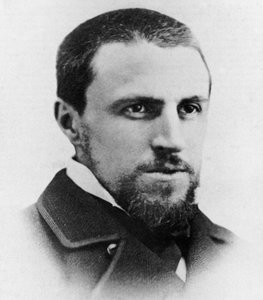
Gustave Caillebotte
1848 - 1894 , France
Quick Facts
- Artistic Movement Or Style: Realism, Impressionism
- Artists Or Movements Influenced By This Artist: Impressionism
- Artists Who Influenced This Artist:
- Edgar Degas
- Giuseppe de Nittis
- Date Of Birth: August 19, 1848
- Date Of Death: February 21, 1894
- Full Name: Gustave Caillebotte
- Nationality: French
- Notable Artworks:
- Les Raboteurs de Parquet
- View of rooftops (snow)
- Boulevard seen from above
- Place Of Birth: Paris, France

