

 Preview
 Send
Send Share
Share
 Details

 Download
 Similars
 X-Ray
X-Ray Diaporama
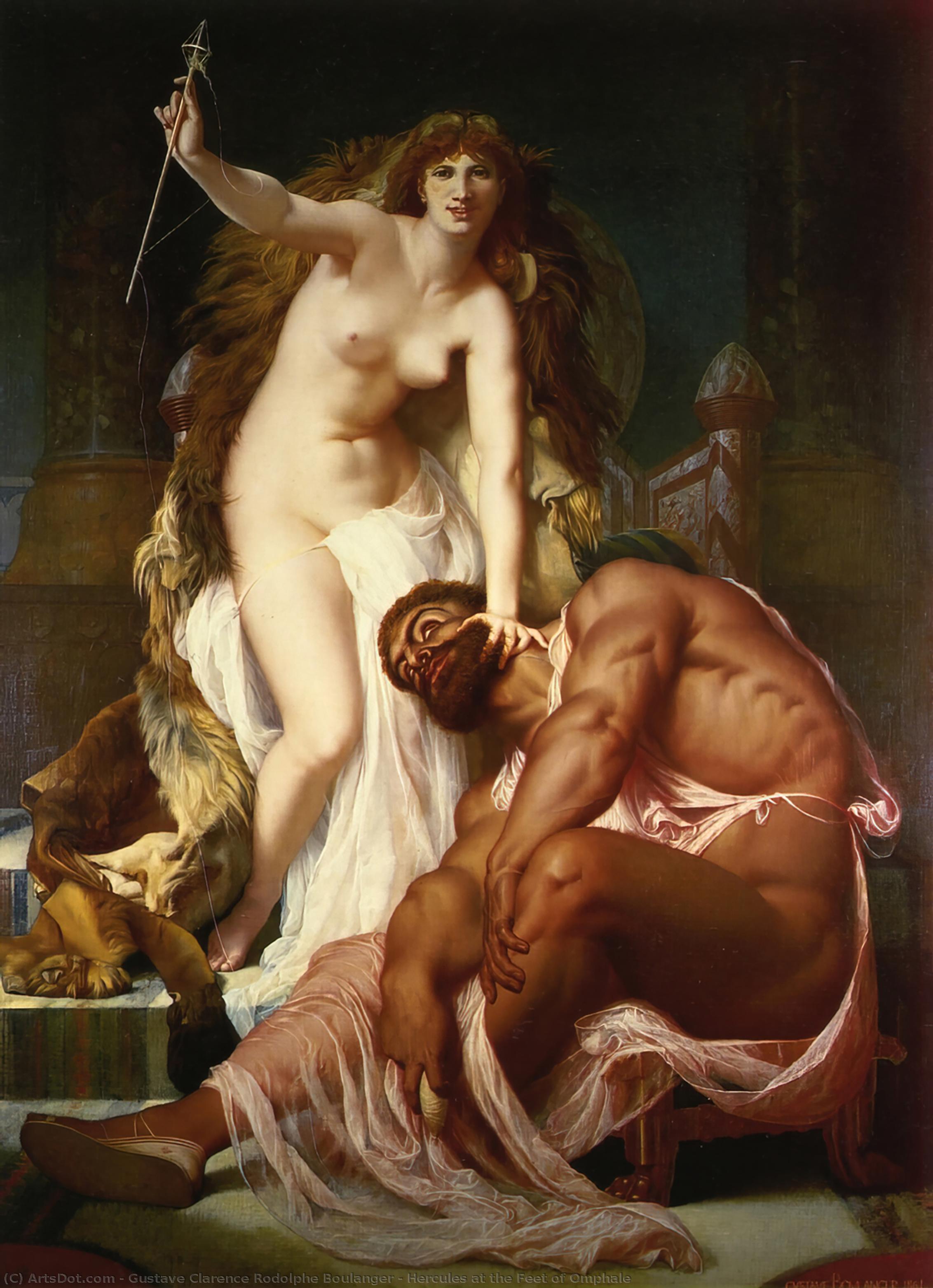
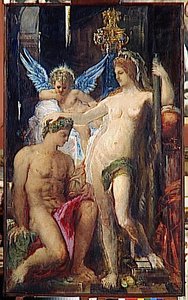
Hercules at the Feet of Omphale


 Read More
Purchase a high-resolution, enhanced digital image, far superior to the online preview.
Each file is meticulously prepared by our in-house specialists using advanced tools and expert manual retouching. We ensure every image has exceptional clarity, precise color accuracy, and fine detail.
The final file is delivered via email within 72 hours, optimized for immediate use in professional, editorial, and print environments. This is the same quality trusted by top-tier design studios, publishers, and galleries.
Digital Image
Download a high-resolution file for personal display, printing, and creative projects. ( Buy Print Buy Hand Made Painting)
Included in Every Digital Image Order
Expert Digital Delivery, Guaranteed
When you choose ArtsDot.com, you're not just getting an image - you're receiving a professionally enhanced digital artwork, crafted with precision and backed by a satisfaction guarantee. Here's everything that comes with your order, automatically:

Fast Email Delivery
Your high-resolution digital image file will be emailed to you within 72 hours of ordering - ready for immediate use.

AI-Enhanced Digital File
Your artwork is professionally optimized using advanced AI tools and manual editing, ensuring maximum detail, clarity, and color accuracy.

Free Lifetime Re-Delivery
Accidentally deleted or lost your file? No worries - we'll resend it to you anytime, free of charge.

No Import Fees - Ever
Enjoy your artwork instantly with zero customs, duties, or delivery fees - digital downloads are always tax-free.

Color Accuracy Guarantee
We ensure your digital image reflects the original colors as closely as possible using professional tools and color management.

60-Day Satisfaction Guarantee
If you're not satisfied with your digital image, we'll revise it or refund 100% within 60 days - no questions asked.

100% Money-Back Guarantee
Not satisfied? Get a full refund within 60 days of receiving your digital file - no questions asked.

Bulk Order Discounts
Buy 3 images, save 10% - Buy 5, save 15% - Buy 10+, save 20%. Great for creative projects, galleries, and agencies.
Collectible Description
A Masterpiece of Drama and Intensity
The painting Hercules at the Feet of Omphale by Gustave Clarence Rodolphe Boulanger, created in 1861, is a striking example of neoclassical art. This oil on canvas masterpiece captures a pivotal moment from Greek mythology, where Hercules, the legendary hero, finds himself at the mercy of Omphale, the queen of Lydia.Artistic Elements and Symbolism
The painting depicts Omphale in a state of nudity, with her breasts exposed, while she appears to be strangling or choking a man kneeling beside her. Two dogs are present on either side of the scene, adding an element of tension and drama. A bow is placed near Omphale's hand, symbolizing power and control. The overall atmosphere of the painting exudes intensity and dramatic flair.Historical Context
Gustave Clarence Rodolphe Boulanger was a French painter known for his neoclassical style, which often featured mythological subjects. His work Hercules at the Feet of Omphale showcases his skill in capturing the essence of ancient Greek stories with modern artistic techniques.Relevance and Preservation
This painting is part of a broader collection of artworks housed in various museums and libraries, such as the Beith Library in the United Kingdom. The preservation of such pieces is crucial for understanding the evolution of art and its impact on contemporary culture.Other Notable Works
- The Sweet Siesta of a Summer Day by R.B.A John William Godward - James MacAdam (1801–1861) by Richard Hooke - Henry Gow (1861–1938) by Edward Irvine HallidayConclusion
Hercules at the Feet of Omphale is a testament to Boulanger's artistic prowess and his ability to bring ancient myths to life. This painting, along with other notable works, contributes significantly to the rich tapestry of art history.- Gustave Clarence Rodolphe Boulanger: Hercules at the Feet of Omphale
- R.B.A John William Godward: The Sweet Siesta of a Summer Day
- Richard Hooke: James MacAdam (1801–1861)
- Edward Irvine Halliday: Henry Gow (1861–1938)
For those interested in exploring the world of art further, Wikipedia.org provides extensive information on various artists and their works.
Related Artworks
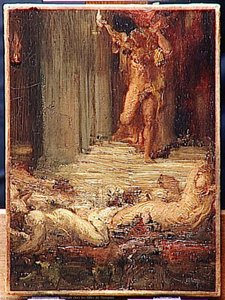
![The Courtship Of Paris And Helen [detail 1] — Jacques-louis David, Neoclassical](/media/artworks/images-thumb/cb/6c/cb6cd2fb48353357d2ab2a0324aa75a5.jpg)
Artist Biography
A Life Immersed in Classical Echoes and Oriental Hues
Gustave Clarence Rodolphe Boulanger, a name resonating with the meticulous detail and dramatic flair of 19th-century Academic painting, was born in Paris in 1824. His early life took a somber turn when he was orphaned at the age of fourteen, finding guardianship under his uncle, Constant Desbrosses. This pivotal moment steered him toward artistic pursuits, beginning formal training in 1840 with Pierre-Jules Jollivet before progressing to the atelier of Paul Delaroche. It was within Delaroche’s studio that a formative friendship blossomed with Jean-Léon Gérôme, an association that would profoundly shape Boulanger's artistic trajectory and aesthetic sensibilities. This connection wasn’t merely one of camaraderie; it represented an alignment of vision within the burgeoning Néo-Grec movement—a revival of classical themes infused with a fresh perspective, often tinged with exoticism and sensuality.The Allure of Antiquity and Distant Shores
Boulanger’s artistic development was a fascinating interplay between rigorous academic training and an insatiable curiosity for the ancient world and beyond. The Néo-Grec movement provided a fertile ground for his exploration, encouraging a reinterpretation of classical mythology and history with a newfound emphasis on vibrant color, dramatic composition, and often, a subtle undercurrent of narrative intrigue. A transformative journey to Algeria in 1845 ignited a lifelong fascination with Orientalist subjects. What began as an obligation to manage his uncle’s business interests quickly evolved into an immersive experience that captivated Boulanger's imagination. The vibrant landscapes, bustling marketplaces, and the unique cultural tapestry of North Africa became enduring sources of inspiration, finding their way into numerous canvases throughout his career. This initial exposure was followed by further travels, including a trip with Gérôme in 1872, solidifying his commitment to depicting these exotic locales with meticulous accuracy and artistic license. Complementing this fascination with the East were studies at the École de Rome, where visits to Pompeii proved particularly influential. The remarkably preserved ruins of the ancient city offered invaluable insights into Roman life, architecture, and artistry, inspiring a series of paintings that sought to recreate the grandeur and everyday realities of a bygone era.Masterpieces Forged in Tradition
Boulanger’s artistic prowess was first formally recognized with his triumph at the prestigious Prix de Rome in 1849, awarded for his painting *Ulysses*. This victory secured him a scholarship to study at the Académie de France à Rome, allowing him extended immersion in the classical world. Throughout his career, he produced a remarkable body of work that showcased his mastery of academic technique and narrative storytelling. *A Moorish Cafe* (1848) stands as an early example of his burgeoning interest in Orientalist themes, capturing the atmosphere of daily life with striking detail. Later works, such as *Cæsar at the Rubicon* (1865), demonstrated his ability to tackle grand historical subjects with dramatic flair and compositional skill. Perhaps one of his most celebrated paintings, *The Promenade in the Street of Tombs, Pompeii* (1869), exemplifies his fascination with archaeological discoveries and his dedication to recreating ancient Roman life with painstaking accuracy. Even in his later years, as evidenced by *The Slave Market* (1888), Boulanger continued to explore historical and exotic themes, refining his technique and deepening his understanding of human drama.Recognition and a Lasting Legacy
Boulanger’s talent did not go unnoticed during his lifetime. Beyond the initial honor of the Prix de Rome, he received numerous medals for his artistic achievements, culminating in his election as a member of the prestigious Institut de France in 1882. This recognition solidified his position within the French art establishment and underscored the significance of his contributions to the field. He further cemented his influence by serving as a professor at the Institut de France from 1882, guiding a new generation of artists—though he remained a staunch critic of the emerging Impressionist movement, preferring the established principles of academic painting. Boulanger’s work embodies the essence of Academic art in the 19th century: meticulous detail, historical accuracy, and a profound respect for classical ideals. He played a pivotal role in popularizing Orientalism within French painting, contributing to a broader cultural fascination with North African aesthetics and lifestyles. His paintings offer invaluable insights into the artistic tastes and societal values of his time, serving as both beautiful works of art and compelling historical documents. His dedication to technical skill and narrative clarity continues to inspire artists and captivate audiences today.A Continuing Influence
The influence of Gustave Boulanger extends beyond the immediate circle of his students and contemporaries. His paintings continue to be admired for their masterful execution, evocative storytelling, and ability to transport viewers to distant times and places. His legacy can be seen in the work of subsequent generations of artists who embraced historical and exotic themes, demonstrating the enduring power of his artistic vision. Boulanger’s commitment to academic principles—his emphasis on draftsmanship, composition, and meticulous detail—remains a source of inspiration for artists seeking to master traditional techniques. As art historians continue to re-evaluate the complexities of 19th-century French painting, Gustave Boulanger stands as a significant figure whose work deserves continued study and appreciation.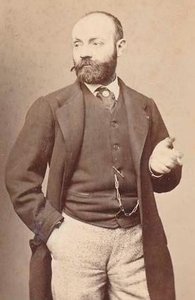
gustave clarence rodolphe boulanger
1824 - 1888 , France
Quick Facts
- Artistic Movement Or Style: Academic, Orientalism, Néo-Grec
- Artists Or Movements Influenced By This Artist: Later Academic painters
- Artists Who Influenced This Artist:
- Pierre-Jules Jollivet
- Paul Delaroche
- Jean-Léon Gérôme
- Date Of Birth: 1824
- Date Of Death: 1888
- Full Name: Gustave Clarence Rodolphe Boulanger
- Nationality: French
- Notable Artworks:
- Ulysses
- A Moorish Cafe
- Cæsar at the Rubicon
- The Slave Market
- Place Of Birth: Paris, France

