 Preview
 Send
Send Share
Share
 Details

 Download
 Similars
 X-Ray
X-Ray Diaporama
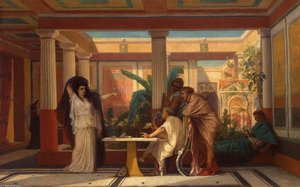
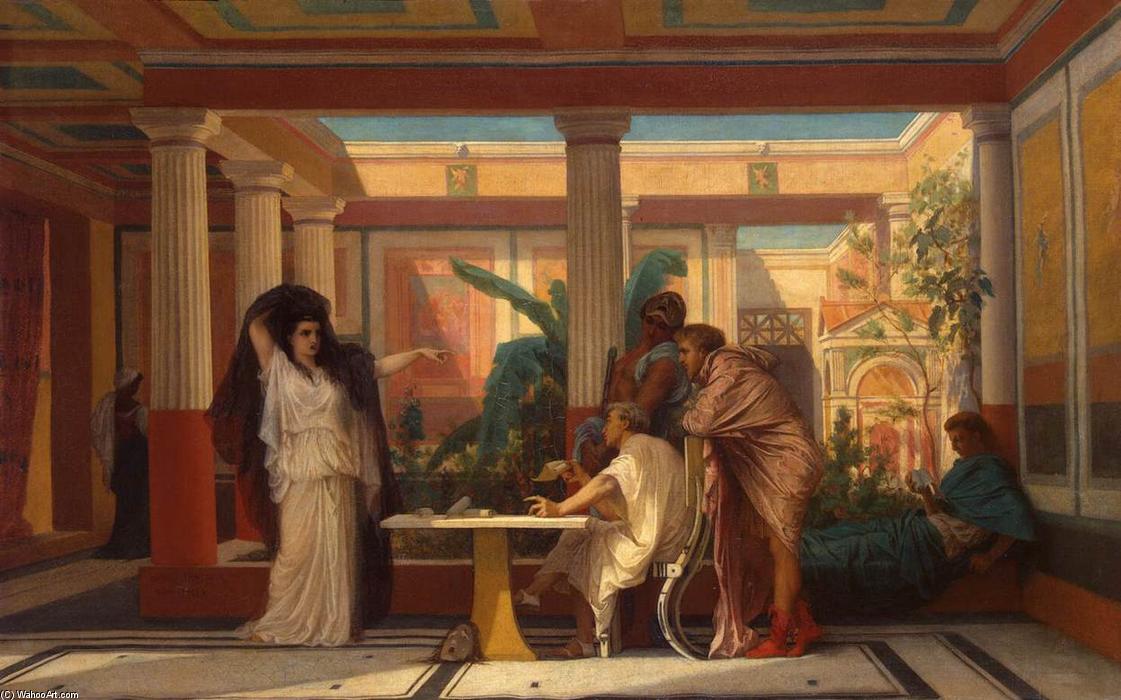
Theatrical Rehearsal in the House of an Ancient Rome Poet
 Acrylic On Canvas
- WallArt
- Néo-Grec
 1855
1855- 19th Century
 48.0 x 76.0 cm
 Hermitage Museum
 Read More
Hand Made Oil Reproduction
Hand-painted oil on canvas in your size and frame, made to order by our artists. ( Buy Print Buy Image)




P118B $10

P118H $10

P118W $10

P438Z $10

P508JH $12

P508YH $12

P805H $10

P805Z $10

P919BZ $10

P919G $10

P919XJ $10

P959ZH $10

P968JZ $12

W106C $8

W218G $10

W218JH $8

W218Y $10

W307PJ $10

W316G $10

W316PJ $8

W316Y $10

W398PJ $8

W4111J $10

W500HY $15

W500JH $15

W692G $12

W849H $8

W940BG $15

W953PJ $8




Pick from our preset sizes that match the artwork's original proportions.

You may enter your own dimensions to fit a specific frame or space. If your selected size does not match the original image's proportions, we will either crop the artwork or extend the painting with additional hand-painted elements. A digital mockup will be sent for your approval before production begins.
Please note that the on-screen preview does not reflect the actual cropping or extension. Only the mockup will accurately show the final composition.
While custom sizes are available, we recommend selecting a dimension from the predefined list to preserve the original proportions.
After order, ArtsDot.com team will email client for instructions and provide a mockup preview
Worldwide Delivery () in 3/4 weeks instead of standard 5 weeks. (16 August). No compromise on quality.

Free Worldwide Express Shipping

High-Quality Linen Canvas

Full Shipping Insurance

Customs Tax Refund Guarantee

True Color Matching Guarantee

60-Day Return Policy (Defects Only)

100% Money-Back Guarantee

Bulk Discount Offer
 Glass option is only available in size under 110 CM

Theatrical Rehearsal in the House of an Ancient Rome Poet
Reproduction Medium
Reproduction Size
-


Total Price
$ 263
Artwork Description
A Glimpse of Roman Life: Theatrical Rehearsal in the House of an Ancient Rome Poet
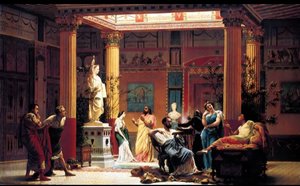
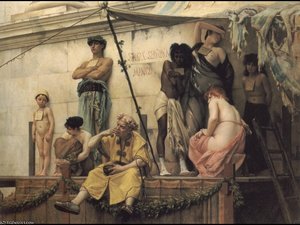
Gustave Clarence Rodolphe Boulanger’s “Theatrical Rehearsal in the House of an Ancient Rome Poet,” painted in 1855, is more than just a depiction of a scene; it's a vibrant portal into the heart of 19th-century Neoclassical art and its fascination with antiquity. The painting captures a fleeting moment within a Roman poet’s home – a rehearsal for a performance, perhaps a dramatic reading or a recitation of verse – brimming with an atmosphere of intellectual pursuit, theatricality, and subtle sensuality. Boulanger, deeply influenced by the Néo-Grec movement, masterfully blends classical ideals with a distinctly Romantic sensibility, imbuing the scene with both grandeur and intimacy.
The composition is immediately arresting. Two women, elegantly dressed in flowing togas, dominate the foreground, engaged in animated conversation. Their gestures are fluid, their expressions hinting at passion and intrigue. Around them, four other figures – likely actors or members of the poet’s circle – contribute to the dynamic tableau. A dining table laden with scrolls and writing implements suggests a space dedicated to creative work, while two chairs offer moments of respite. The architectural setting itself is meticulously rendered, transporting the viewer into a richly decorated Roman interior, complete with columns, frescoes, and decorative details that evoke the grandeur of Pompeii. Boulanger’s attention to detail is remarkable; one can almost feel the cool marble beneath their feet and hear the rustle of silk.
The Neoclassical Vision: Echoes of Antiquity
Boulanger's work firmly places itself within the context of the Néo-Grec movement, a reaction against the prevailing Romanticism that sought to revive the artistic principles and subject matter of ancient Greece and Rome. This revival wasn’t simply an imitation; it was a deliberate reimagining, informed by contemporary sensibilities. Boulanger, along with Jean-Léon Gérôme, championed a style characterized by idealized forms, precise draftsmanship, and a focus on classical themes – but with a crucial twist: they infused these subjects with a heightened emotional intensity and a subtle eroticism that challenged the rigid conventions of academic art.
The influence of Pompeii is undeniable. Boulanger’s meticulous depiction of Roman architecture, furniture, and decorative elements clearly draws inspiration from the excavated ruins of this ancient city. However, he doesn't merely reproduce these details; he uses them to create a believable and engaging scene, imbuing it with life and drama. The painting reflects a broader fascination with antiquity that gripped Europe during the 19th century – a desire to reconnect with the perceived virtues and wisdom of the classical world.
Technique and Palette: A Masterful Blend
Executed in oil on canvas, “Theatrical Rehearsal” showcases Boulanger’s exceptional technical skill. His brushwork is smooth and confident, creating a sense of depth and realism. The use of light and shadow is particularly effective, highlighting the figures and architectural details while casting subtle shadows that add to the painting's atmosphere. Boulanger employs a rich, warm palette dominated by earthy tones – ochres, siennas, and browns – punctuated by flashes of color in the women’s garments and the decorative elements within the room. These colors contribute to the painting’s overall sense of warmth and vitality.
The artist's meticulous attention to detail is further evidenced by his skillful rendering of textures—the folds of the togas, the sheen of marble, the roughness of scrolls. Boulanger demonstrates a mastery of chiaroscuro, creating dramatic contrasts between light and dark that heighten the sense of drama and depth within the scene.
Symbolism and Emotional Resonance
Beyond its technical brilliance, “Theatrical Rehearsal” is rich in symbolism. The rehearsal itself represents the creative process – a moment of intense concentration and collaboration. The women’s animated conversation suggests intellectual exchange and perhaps even romantic tension. The presence of scrolls and writing implements underscores the importance of literature and poetry within Roman society. The overall mood of the painting is one of lively engagement, intellectual curiosity, and subtle sensuality.
Boulanger's work invites us to contemplate the intersection of art, culture, and social life in 19th-century Rome. It’s a testament to his artistic vision and technical skill—a captivating glimpse into a world where classical ideals were reinterpreted through a distinctly Romantic lens. Reproductions of this piece offer a beautiful way to bring a touch of Roman elegance and intellectual vibrancy into any space.
Related Artworks
Artist Biography
A Life Immersed in Classical Echoes and Oriental Hues
Gustave Clarence Rodolphe Boulanger, a name resonating with the meticulous detail and dramatic flair of 19th-century Academic painting, was born in Paris in 1824. His early life took a somber turn when he was orphaned at the age of fourteen, finding guardianship under his uncle, Constant Desbrosses. This pivotal moment steered him toward artistic pursuits, beginning formal training in 1840 with Pierre-Jules Jollivet before progressing to the atelier of Paul Delaroche. It was within Delaroche’s studio that a formative friendship blossomed with Jean-Léon Gérôme, an association that would profoundly shape Boulanger's artistic trajectory and aesthetic sensibilities. This connection wasn’t merely one of camaraderie; it represented an alignment of vision within the burgeoning Néo-Grec movement—a revival of classical themes infused with a fresh perspective, often tinged with exoticism and sensuality.The Allure of Antiquity and Distant Shores
Boulanger’s artistic development was a fascinating interplay between rigorous academic training and an insatiable curiosity for the ancient world and beyond. The Néo-Grec movement provided a fertile ground for his exploration, encouraging a reinterpretation of classical mythology and history with a newfound emphasis on vibrant color, dramatic composition, and often, a subtle undercurrent of narrative intrigue. A transformative journey to Algeria in 1845 ignited a lifelong fascination with Orientalist subjects. What began as an obligation to manage his uncle’s business interests quickly evolved into an immersive experience that captivated Boulanger's imagination. The vibrant landscapes, bustling marketplaces, and the unique cultural tapestry of North Africa became enduring sources of inspiration, finding their way into numerous canvases throughout his career. This initial exposure was followed by further travels, including a trip with Gérôme in 1872, solidifying his commitment to depicting these exotic locales with meticulous accuracy and artistic license. Complementing this fascination with the East were studies at the École de Rome, where visits to Pompeii proved particularly influential. The remarkably preserved ruins of the ancient city offered invaluable insights into Roman life, architecture, and artistry, inspiring a series of paintings that sought to recreate the grandeur and everyday realities of a bygone era.Masterpieces Forged in Tradition
Boulanger’s artistic prowess was first formally recognized with his triumph at the prestigious Prix de Rome in 1849, awarded for his painting *Ulysses*. This victory secured him a scholarship to study at the Académie de France à Rome, allowing him extended immersion in the classical world. Throughout his career, he produced a remarkable body of work that showcased his mastery of academic technique and narrative storytelling. *A Moorish Cafe* (1848) stands as an early example of his burgeoning interest in Orientalist themes, capturing the atmosphere of daily life with striking detail. Later works, such as *Cæsar at the Rubicon* (1865), demonstrated his ability to tackle grand historical subjects with dramatic flair and compositional skill. Perhaps one of his most celebrated paintings, *The Promenade in the Street of Tombs, Pompeii* (1869), exemplifies his fascination with archaeological discoveries and his dedication to recreating ancient Roman life with painstaking accuracy. Even in his later years, as evidenced by *The Slave Market* (1888), Boulanger continued to explore historical and exotic themes, refining his technique and deepening his understanding of human drama.Recognition and a Lasting Legacy
Boulanger’s talent did not go unnoticed during his lifetime. Beyond the initial honor of the Prix de Rome, he received numerous medals for his artistic achievements, culminating in his election as a member of the prestigious Institut de France in 1882. This recognition solidified his position within the French art establishment and underscored the significance of his contributions to the field. He further cemented his influence by serving as a professor at the Institut de France from 1882, guiding a new generation of artists—though he remained a staunch critic of the emerging Impressionist movement, preferring the established principles of academic painting. Boulanger’s work embodies the essence of Academic art in the 19th century: meticulous detail, historical accuracy, and a profound respect for classical ideals. He played a pivotal role in popularizing Orientalism within French painting, contributing to a broader cultural fascination with North African aesthetics and lifestyles. His paintings offer invaluable insights into the artistic tastes and societal values of his time, serving as both beautiful works of art and compelling historical documents. His dedication to technical skill and narrative clarity continues to inspire artists and captivate audiences today.A Continuing Influence
The influence of Gustave Boulanger extends beyond the immediate circle of his students and contemporaries. His paintings continue to be admired for their masterful execution, evocative storytelling, and ability to transport viewers to distant times and places. His legacy can be seen in the work of subsequent generations of artists who embraced historical and exotic themes, demonstrating the enduring power of his artistic vision. Boulanger’s commitment to academic principles—his emphasis on draftsmanship, composition, and meticulous detail—remains a source of inspiration for artists seeking to master traditional techniques. As art historians continue to re-evaluate the complexities of 19th-century French painting, Gustave Boulanger stands as a significant figure whose work deserves continued study and appreciation.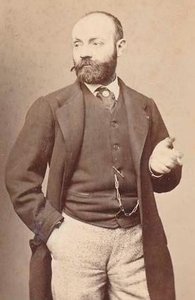
gustave clarence rodolphe boulanger
1824 - 1888 , France
Quick Facts
- Artistic Movement Or Style: Academic, Orientalism, Néo-Grec
- Artists Or Movements Influenced By This Artist: Later Academic painters
- Artists Who Influenced This Artist:
- Pierre-Jules Jollivet
- Paul Delaroche
- Jean-Léon Gérôme
- Date Of Birth: 1824
- Date Of Death: 1888
- Full Name: Gustave Clarence Rodolphe Boulanger
- Nationality: French
- Notable Artworks:
- Ulysses
- A Moorish Cafe
- Cæsar at the Rubicon
- The Slave Market
- Place Of Birth: Paris, France
Related Articles

25 Klimt Masterpieces: A Journey Through Iconic Art & Decor
Delve into the world of Gustav Klimt with our top 25 masterpieces! Explore his iconic paintings – 'The Kiss,' 'Portrait of Adele,' and more. Discover museum-quality reproductions & curated decor ideas. Explore the full collection online at ArtsDot.com.
Bartolomeo Pinelli: Neoclassical Linearity & Roman Topography of Memory
Explore the captivating world of Bartolomeo Pinelli, a master Italian engraver renowned for his evocative Roman scenes & historical narratives. Discover his art and legacy with ArtsDot.
Giovanni Paolo Panini: Capturing Roman Grandeur – A Vedute Master's Legacy
Explore the captivating world of Giovanni Paolo Panini, master of Roman vedute painting. Discover his technique, iconic works, influence on art history & collecting advice from experts at ArtsDot.
Art Nouveau's Golden Age: 10 Masterpieces for Your Home |
Journey into Art Nouveau's golden age! Explore 10 masterpieces by Klimt, Mucha & more. Discover captivating stories behind iconic paintings, floral motifs & flowing lines. Find museum-quality art reproductions for your home at .
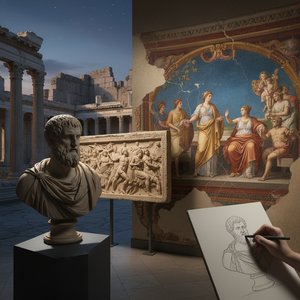
Echoes of Antiquity: Exploring Themes & Techniques in Classical Art Masterpieces
Explore the timeless beauty & profound themes of Classical art! Discover Greek & Roman masterpieces, Neoclassical revivals, and the enduring influence on artistic movements. Expert insights & high-quality reproductions at ArtsDot.