

 Preview
 Send
Send Share
Share
 Details

 Download
 Similars
 X-Ray
X-Ray Diaporama
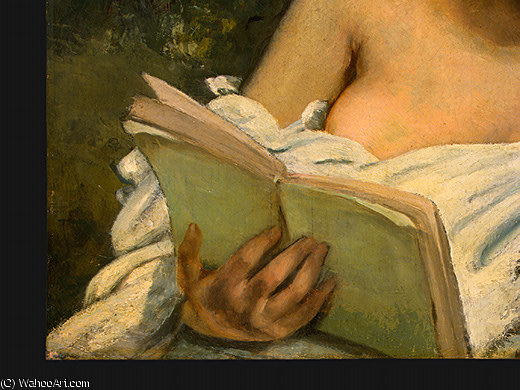
A Young Woman Reading, detalj 3, NG Washi


 Read More
Purchase a high-resolution, enhanced digital image, far superior to the online preview.
Each file is meticulously prepared by our in-house specialists using advanced tools and expert manual retouching. We ensure every image has exceptional clarity, precise color accuracy, and fine detail.
The final file is delivered via email within 72 hours, optimized for immediate use in professional, editorial, and print environments. This is the same quality trusted by top-tier design studios, publishers, and galleries.
Digital Image
Download a high-resolution file for personal display, printing, and creative projects. ( Buy Print Buy Hand Made Painting)
Included in Every Digital Image Order
Expert Digital Delivery, Guaranteed
When you choose ArtsDot.com, you're not just getting an image - you're receiving a professionally enhanced digital artwork, crafted with precision and backed by a satisfaction guarantee. Here's everything that comes with your order, automatically:

Fast Email Delivery
Your high-resolution digital image file will be emailed to you within 72 hours of ordering - ready for immediate use.

AI-Enhanced Digital File
Your artwork is professionally optimized using advanced AI tools and manual editing, ensuring maximum detail, clarity, and color accuracy.

Free Lifetime Re-Delivery
Accidentally deleted or lost your file? No worries - we'll resend it to you anytime, free of charge.

No Import Fees - Ever
Enjoy your artwork instantly with zero customs, duties, or delivery fees - digital downloads are always tax-free.

Color Accuracy Guarantee
We ensure your digital image reflects the original colors as closely as possible using professional tools and color management.

60-Day Satisfaction Guarantee
If you're not satisfied with your digital image, we'll revise it or refund 100% within 60 days - no questions asked.

100% Money-Back Guarantee
Not satisfied? Get a full refund within 60 days of receiving your digital file - no questions asked.

Bulk Order Discounts
Buy 3 images, save 10% - Buy 5, save 15% - Buy 10+, save 20%. Great for creative projects, galleries, and agencies.
Collectible Description
A Sanctuary of Solitude: The Quiet Power of Courbet’s Vision
In the quiet corners of art history, few moments capture the profound beauty of stillness as masterfully as Gustave Courbet’s 1868 masterpiece, "A Young Woman Reading." This painting is far more than a mere depiction of a domestic scene; it is an intimate window into a private world, inviting the viewer to pause and share in a moment of deep, intellectual repose. As she sits nestled upon her bed, the woman is entirely lost to the pages before her, her physical presence anchored by the weight of the book and the heavy, comforting textures of her surroundings. There is an undeniable magnetism in her solitude, a sense that we are witnessing something sacred and unobserved—a fleeting instance of peace in an ever-changing world.
The composition is a masterclass in understated balance, designed to guide the eye through a landscape of quietude. To her left, a simple chair stands as a silent companion, while a subtle touch of greenery from a potted plant in the upper corner breathes life into the scene without disrupting its contemplative mood. Courbet avoids the grand, sweeping gestures typical of the Romantic era, opting instead for a grounded, earthbound arrangement. This deliberate simplicity allows the subject’s downward gaze and the rhythmic placement of her hands to become the emotional heartbeat of the work, symbolizing a profound connection between the human spirit and the transformative power of literature.
The Radical Truth of Realism
To understand this painting is to understand the revolutionary spirit of Realism. During a period when many artists sought to idealize beauty or depict heroic legends, Courbet emerged as a defiant rebel, insisting on portraying life exactly as it was—unvarnished, honest, and raw. In "A Young Woman Reading," he eschews the polished, ethereal glow of academic painting in favor of a palette rooted in the natural world. His use of deep browns, warm ochres, and muted greens creates an atmosphere that feels tactile and lived-in, as if one could reach out and feel the coarse weave of the fabric or the cool surface of the furniture.
His technique is equally courageous. Rather than hiding his hand behind seamless blending, Courbet allows visible brushstrokes to convey a sense of immediacy and physical presence. Through the sophisticated use of glazing—applying thin, translucent layers of pigment—he achieves a remarkable depth and luminosity that breathes life into the shadows. This meticulous attention to texture ensures that every element, from the soft skin of the subject to the sturdy edges of the book, possesses a tangible reality. It is this commitment to the "truth" of the material world that makes the piece so enduringly powerful for the modern observer.
An Enduring Inspiration for the Modern Interior
For the discerning collector or interior designer, a reproduction of this caliber offers much more than mere decoration; it provides an emotional anchor for a room. The painting’s earthy tones and tranquil subject matter make it a versatile centerpiece, capable of bringing a sense of sophisticated calm to a library, a study, or a serene bedroom suite. It speaks to a lifestyle that values introspection, intellect, and the beauty found in life's quietest intervals.
Owning a piece that captures Courbet’s radical embrace of reality allows one to surround themselves with the strength of historical defiance and the elegance of naturalism. Whether placed in a contemporary minimalist setting or a more traditional, richly textured space, "A Young Woman Reading" serves as a constant reminder of the profound dignity found in moments of reflection. It is an investment in atmosphere, a tribute to the art of observation, and a timeless addition to any curated collection of fine art.
Artist Biography
A Rebel’s Brush: The Life and Legacy of Gustave Courbet
Born in the quiet village of Ornans, France, in 1819, Jean Désiré Gustave Courbet emerged as a defiant force against the established artistic norms of his time. His story isn't simply one of paint and canvas; it’s a narrative woven with threads of social commentary, political conviction, and an unwavering commitment to portraying the world exactly as he saw it – unidealized, raw, and profoundly real. Growing up in a relatively prosperous bourgeois family, Courbet received encouragement from his mother to pursue his artistic inclinations, a nurturing that would ultimately fuel a revolution in the art world. His formal training began at the École des Beaux-Arts in Paris in 1839, but he quickly found himself chafing against the academic conventions and Romantic idealism prevalent there. While acknowledging influences like Eugène Delacroix and Théodore Géricault, Courbet forged his own path, one that prioritized observation over imagination and truth over tradition.The Birth of Realism: Challenging Artistic Conventions
Courbet’s artistic development was marked by a deliberate rejection of the prevailing aesthetic standards. He wasn't interested in mythological narratives or heroic allegories; his gaze was fixed on the everyday lives of ordinary people, particularly those engaged in labor and rural existence. This commitment to depicting the world without embellishment – what would become known as Realism – initially met with scorn and derision from critics accustomed to more polished and idealized representations. Early works explored landscapes and portraits, but soon shifted towards scenes of working-class life, rendered on a monumental scale traditionally reserved for historical or religious paintings. This deliberate choice wasn’t merely stylistic; it was a statement about the inherent dignity and importance of these often-overlooked subjects. The Stone Breakers, completed in 1849 but tragically destroyed during World War II, exemplified this approach – a stark depiction of two laborers toiling away, their faces obscured by exhaustion and hardship. This painting, along with others like A Burial at Ornans (1850), challenged the very definition of what constituted “worthy” subject matter for high art.Major Works and Artistic Philosophy
A Burial at Ornans, a colossal canvas depicting a provincial funeral, caused an uproar when it was exhibited in 1850-51. Its sheer size – typically reserved for grand historical paintings – combined with its unflinching realism and lack of emotional idealization shocked audiences. Courbet didn’t portray the mourners as noble or grief-stricken figures; he presented them as ordinary people, their faces etched with a mixture of sorrow, boredom, and resignation. This honesty was revolutionary. His artistic philosophy extended beyond subject matter to encompass technique. He favored a direct, impasto style – applying paint thickly onto the canvas – that emphasized the materiality of the medium itself. The Painter’s Studio (1855), an allegorical work reflecting his artistic beliefs and engagement with contemporary social issues, further solidified his reputation as a provocative and independent artist. His participation in the Salon des Refusés in 1863 – an exhibition of works rejected by the official Salon – cemented his status as a rebel and champion of artistic freedom. Even landscapes like View in the Forest of Fontainebleau (1855) were imbued with a sense of realism, capturing the natural beauty of the forest without romanticizing it.Legacy and Historical Significance
Gustave Courbet’s influence on subsequent art movements is undeniable. While he drew inspiration from earlier masters like Caravaggio for their dramatic realism and use of light and shadow, his impact extended far beyond mere imitation. He profoundly influenced the Impressionists and Post-Impressionists by liberating them from the constraints of traditional representation, encouraging them to explore new ways of seeing and depicting the world. His emphasis on social commentary paved the way for later socially engaged artists who used their work as a platform for political activism. Courbet wasn’t just a painter; he was a vocal advocate for artistic freedom and political change, actively participating in the tumultuous events of his time, including the Paris Commune of 1871 – an involvement that led to a period of exile in Switzerland. He died in 1877, leaving behind a body of work that continues to inspire and provoke audiences today.- Pioneer of Realism
- Challenged academic conventions
- Influenced Impressionism & Post-Impressionism
- Advocate for artistic freedom
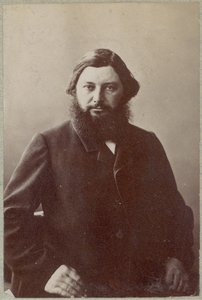
Gustave Courbet
1819 - 1877 , France
Quick Facts
- Artistic Movement Or Style: Realism
- Artists Or Movements Influenced By This Artist:
- Impressionism
- Post-Impressionism
- Artists Who Influenced This Artist:
- Delacroix
- Géricault
- Caravaggio
- Date Of Birth: July 31, 1819
- Date Of Death: April 29, 1877
- Full Name: Gustave Courbet
- Nationality: French
- Notable Artworks:
- The Stone Breakers
- A Burial at Ornans
- The Painter's Studio
- Place Of Birth: Ornans, France

