

 Preview
 Send
Send Share
Share
 Details

 Download
 Similars
 X-Ray
X-Ray Diaporama
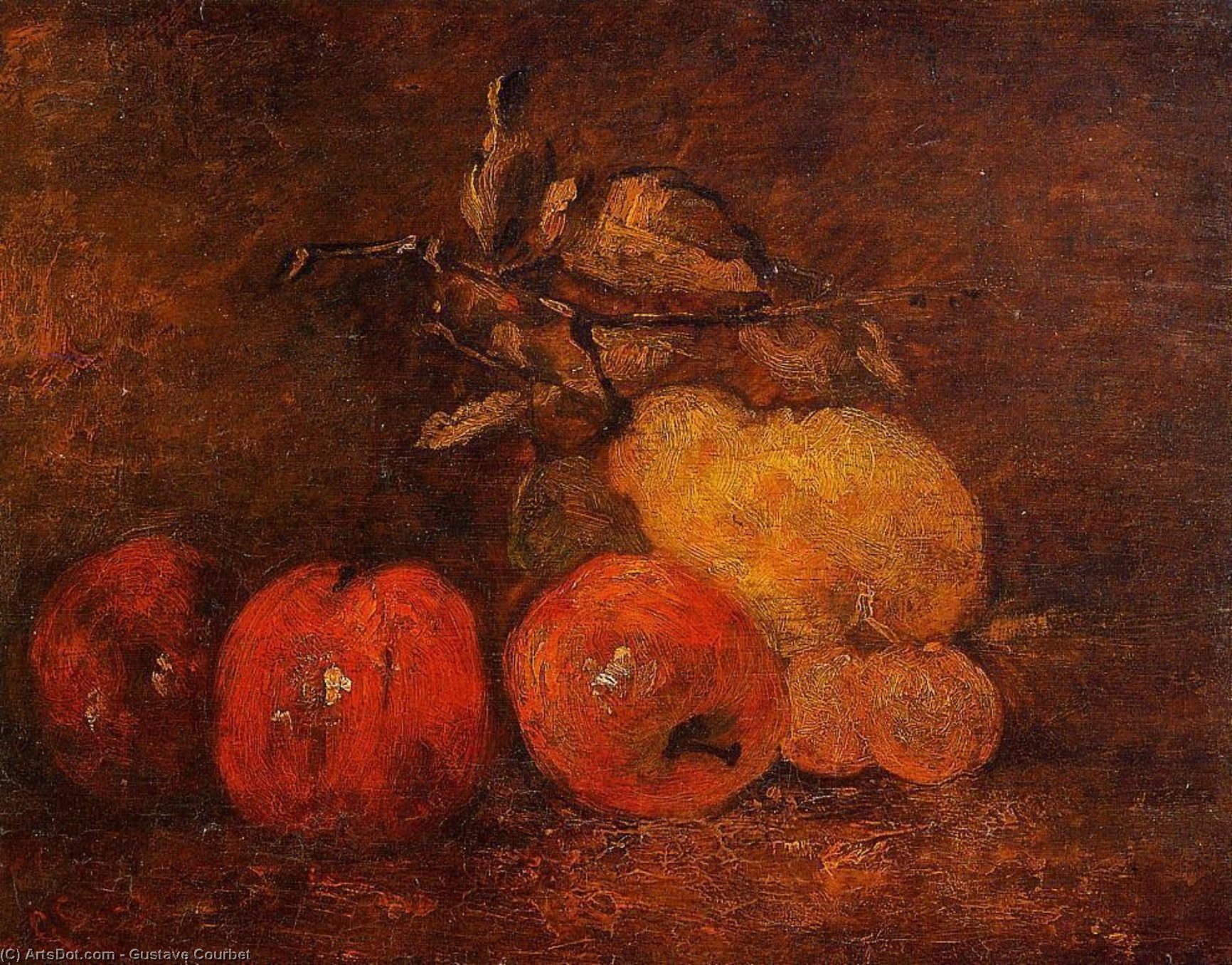
Still Life with Pears and Apples


 Read More
Purchase a high-resolution, enhanced digital image, far superior to the online preview.
Each file is meticulously prepared by our in-house specialists using advanced tools and expert manual retouching. We ensure every image has exceptional clarity, precise color accuracy, and fine detail.
The final file is delivered via email within 72 hours, optimized for immediate use in professional, editorial, and print environments. This is the same quality trusted by top-tier design studios, publishers, and galleries.
Digital Image
Download a high-resolution file for personal display, printing, and creative projects. ( Buy Print Buy Hand Made Painting)
Included in Every Digital Image Order
Expert Digital Delivery, Guaranteed
When you choose ArtsDot.com, you're not just getting an image - you're receiving a professionally enhanced digital artwork, crafted with precision and backed by a satisfaction guarantee. Here's everything that comes with your order, automatically:

Fast Email Delivery
Your high-resolution digital image file will be emailed to you within 72 hours of ordering - ready for immediate use.

AI-Enhanced Digital File
Your artwork is professionally optimized using advanced AI tools and manual editing, ensuring maximum detail, clarity, and color accuracy.

Free Lifetime Re-Delivery
Accidentally deleted or lost your file? No worries - we'll resend it to you anytime, free of charge.

No Import Fees - Ever
Enjoy your artwork instantly with zero customs, duties, or delivery fees - digital downloads are always tax-free.

Color Accuracy Guarantee
We ensure your digital image reflects the original colors as closely as possible using professional tools and color management.

60-Day Satisfaction Guarantee
If you're not satisfied with your digital image, we'll revise it or refund 100% within 60 days - no questions asked.

100% Money-Back Guarantee
Not satisfied? Get a full refund within 60 days of receiving your digital file - no questions asked.

Bulk Order Discounts
Buy 3 images, save 10% - Buy 5, save 15% - Buy 10+, save 20%. Great for creative projects, galleries, and agencies.
Collectible Description
A Moment Frozen in Time: Exploring Gustave Courbet’s Still Life
Gustave Courbet's Still Life with Pears and Apples, painted in 1873, isn’t merely a depiction of fruit; it’s a carefully constructed tableau that embodies the core tenets of Realism – a radical shift in artistic perspective at the time. This seemingly simple composition, housed within the Musée des Beaux-Arts Besancon in France, offers a profound glimpse into Courbet's meticulous observation and his deliberate rejection of idealized beauty in favor of honest representation. The painting immediately draws the eye to its subjects: three vibrant red apples arranged with an almost sculptural grace on a rustic wooden surface, flanked by two ripe pears and a single, inviting orange. Yet, it’s not just the arrangement that captivates; it's the palpable sense of texture, light, and shadow that Courbet masterfully renders through his masterful use of oil paint.
Courbet’s approach was revolutionary for its time. He eschewed the polished surfaces and dramatic lighting favored by earlier artistic traditions, opting instead for a direct, unvarnished portrayal of everyday objects. The apples aren't rendered as perfect specimens; they possess subtle imperfections – slight blemishes, variations in color – that speak to their natural state. Similarly, the pears exhibit a delicate translucence, hinting at their juicy interior. This commitment to detail wasn’t simply about accuracy; it was a deliberate attempt to capture the essence of these fruits, imbuing them with a sense of life and presence. The inclusion of the bird perched atop one of the apples adds an unexpected element of dynamism, breaking the stillness of the arrangement and suggesting a fleeting moment of observation.
The Language of Realism: Technique and Composition
Courbet’s technique is characterized by its deliberate roughness and tactile quality. He employed thick, visible brushstrokes – a hallmark of his style – to build up layers of paint, creating a sense of depth and volume. The surface of the canvas isn't smooth or polished; it retains the marks of the artist’s hand, inviting the viewer to engage with the painting on a physical level. The composition itself is remarkably balanced, utilizing simple geometric shapes—circles for the fruit, rectangles for the wooden base—to create a harmonious arrangement. The careful placement of each element contributes to the overall sense of stability and quiet contemplation.
Furthermore, Courbet’s use of color is particularly noteworthy. He avoids artificial hues, opting instead for muted tones that mimic the natural colors of the fruit. The reds of the apples are rich and earthy, while the yellows of the pears possess a subtle warmth. The orange provides a vibrant counterpoint, adding a touch of visual interest without disrupting the overall harmony. The lighting is equally understated, casting soft shadows that enhance the three-dimensionality of the objects and create a sense of atmospheric depth.
A Reflection of its Time: Courbet’s Legacy
Still Life with Pears and Apples stands as a pivotal work in the development of modern art. Courbet's unwavering commitment to realism paved the way for subsequent movements, including Impressionism and Cubism, which challenged traditional artistic conventions and explored new ways of representing the world. His focus on everyday subjects—often overlooked by previous generations of artists—elevated the status of ordinary life and broadened the scope of artistic expression. Artists like Paul Cézanne, often hailed as “the father of us all,” were profoundly influenced by Courbet’s innovative approach to painting, particularly his emphasis on form and structure.
Today, this painting continues to resonate with viewers for its quiet beauty and profound insights into the human experience. It serves as a reminder that art can be found in the most unexpected places—in a simple still life of fruit, rendered with meticulous detail and unwavering honesty. The Musée des Beaux-Arts Besancon offers a remarkable opportunity to witness this masterpiece firsthand, alongside other significant works by Gustave Courbet.
Discovering the Masterpiece: Reproductions Available at ArtsDot.com
For those seeking to bring the beauty of Still Life with Pears and Apples into their own homes, ArtsDot.com offers high-quality, handmade oil painting reproductions that faithfully capture the essence of Courbet’s original work. These meticulously crafted reproductions are a testament to the artist's legacy and provide an accessible way for art enthusiasts to appreciate his genius. Explore other notable works by Gustave Courbet on The Trout, Chateau de Chillon, and Self-Portrait at Sainte-Pélagie.
Related Artworks
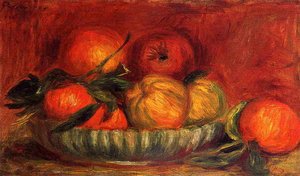
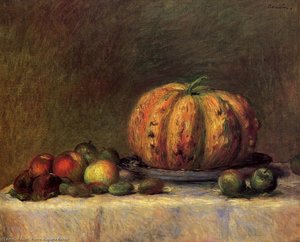
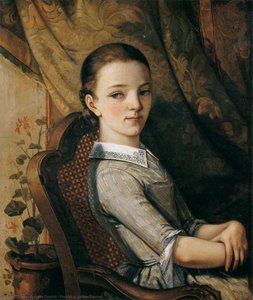
Artist Biography
A Rebel’s Brush: The Life and Legacy of Gustave Courbet
Born in the quiet village of Ornans, France, in 1819, Jean Désiré Gustave Courbet emerged as a defiant force against the established artistic norms of his time. His story isn't simply one of paint and canvas; it’s a narrative woven with threads of social commentary, political conviction, and an unwavering commitment to portraying the world exactly as he saw it – unidealized, raw, and profoundly real. Growing up in a relatively prosperous bourgeois family, Courbet received encouragement from his mother to pursue his artistic inclinations, a nurturing that would ultimately fuel a revolution in the art world. His formal training began at the École des Beaux-Arts in Paris in 1839, but he quickly found himself chafing against the academic conventions and Romantic idealism prevalent there. While acknowledging influences like Eugène Delacroix and Théodore Géricault, Courbet forged his own path, one that prioritized observation over imagination and truth over tradition.The Birth of Realism: Challenging Artistic Conventions
Courbet’s artistic development was marked by a deliberate rejection of the prevailing aesthetic standards. He wasn't interested in mythological narratives or heroic allegories; his gaze was fixed on the everyday lives of ordinary people, particularly those engaged in labor and rural existence. This commitment to depicting the world without embellishment – what would become known as Realism – initially met with scorn and derision from critics accustomed to more polished and idealized representations. Early works explored landscapes and portraits, but soon shifted towards scenes of working-class life, rendered on a monumental scale traditionally reserved for historical or religious paintings. This deliberate choice wasn’t merely stylistic; it was a statement about the inherent dignity and importance of these often-overlooked subjects. The Stone Breakers, completed in 1849 but tragically destroyed during World War II, exemplified this approach – a stark depiction of two laborers toiling away, their faces obscured by exhaustion and hardship. This painting, along with others like A Burial at Ornans (1850), challenged the very definition of what constituted “worthy” subject matter for high art.Major Works and Artistic Philosophy
A Burial at Ornans, a colossal canvas depicting a provincial funeral, caused an uproar when it was exhibited in 1850-51. Its sheer size – typically reserved for grand historical paintings – combined with its unflinching realism and lack of emotional idealization shocked audiences. Courbet didn’t portray the mourners as noble or grief-stricken figures; he presented them as ordinary people, their faces etched with a mixture of sorrow, boredom, and resignation. This honesty was revolutionary. His artistic philosophy extended beyond subject matter to encompass technique. He favored a direct, impasto style – applying paint thickly onto the canvas – that emphasized the materiality of the medium itself. The Painter’s Studio (1855), an allegorical work reflecting his artistic beliefs and engagement with contemporary social issues, further solidified his reputation as a provocative and independent artist. His participation in the Salon des Refusés in 1863 – an exhibition of works rejected by the official Salon – cemented his status as a rebel and champion of artistic freedom. Even landscapes like View in the Forest of Fontainebleau (1855) were imbued with a sense of realism, capturing the natural beauty of the forest without romanticizing it.Legacy and Historical Significance
Gustave Courbet’s influence on subsequent art movements is undeniable. While he drew inspiration from earlier masters like Caravaggio for their dramatic realism and use of light and shadow, his impact extended far beyond mere imitation. He profoundly influenced the Impressionists and Post-Impressionists by liberating them from the constraints of traditional representation, encouraging them to explore new ways of seeing and depicting the world. His emphasis on social commentary paved the way for later socially engaged artists who used their work as a platform for political activism. Courbet wasn’t just a painter; he was a vocal advocate for artistic freedom and political change, actively participating in the tumultuous events of his time, including the Paris Commune of 1871 – an involvement that led to a period of exile in Switzerland. He died in 1877, leaving behind a body of work that continues to inspire and provoke audiences today.- Pioneer of Realism
- Challenged academic conventions
- Influenced Impressionism & Post-Impressionism
- Advocate for artistic freedom
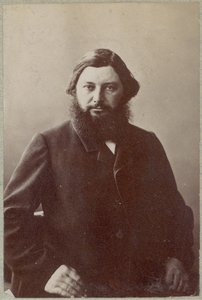
Gustave Courbet
1819 - 1877 , France
Quick Facts
- Artistic Movement Or Style: Realism
- Artists Or Movements Influenced By This Artist:
- Impressionism
- Post-Impressionism
- Artists Who Influenced This Artist:
- Delacroix
- Géricault
- Caravaggio
- Date Of Birth: July 31, 1819
- Date Of Death: April 29, 1877
- Full Name: Gustave Courbet
- Nationality: French
- Notable Artworks:
- The Stone Breakers
- A Burial at Ornans
- The Painter's Studio
- Place Of Birth: Ornans, France

