 Preview
 Send
Send Share
Share
 Details

 Download
 Similars
 X-Ray
X-Ray Diaporama
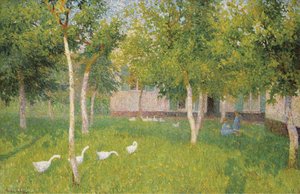
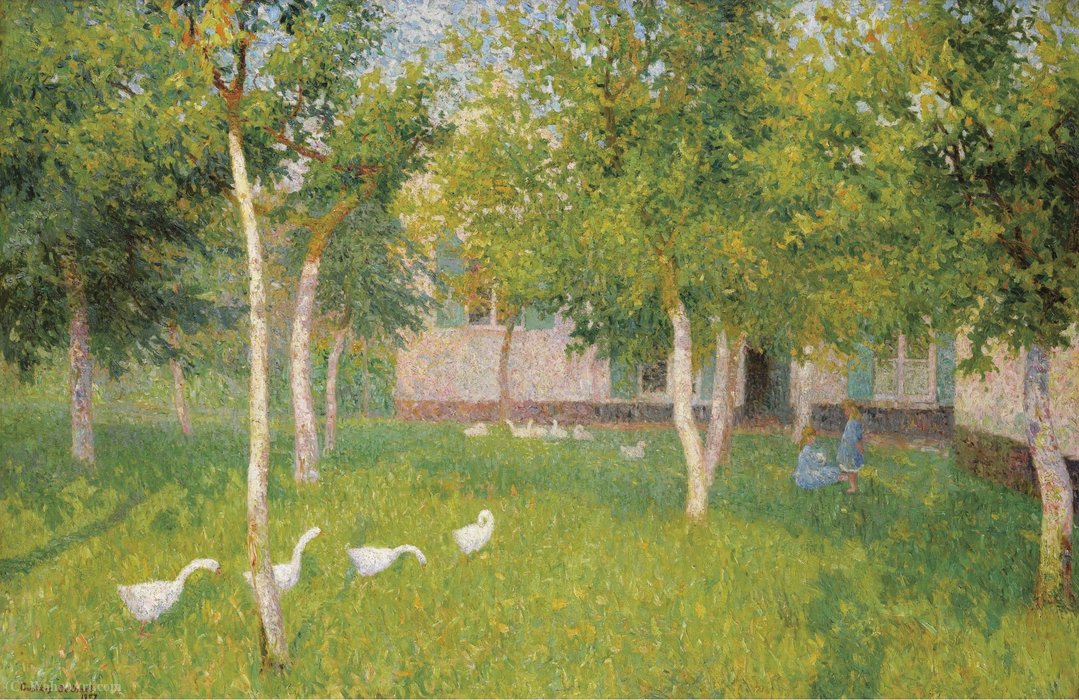
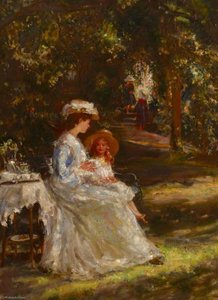
Gees and Two Children in the Garden, (1910)
 Read More
Hand Made Oil Reproduction
Hand-painted oil on canvas in your size and frame, made to order by our artists. ( Buy Print Buy Image)




































Pick from our preset sizes that match the artwork's original proportions.

You may enter your own dimensions to fit a specific frame or space. If your selected size does not match the original image's proportions, we will either crop the artwork or extend the painting with additional hand-painted elements. A digital mockup will be sent for your approval before production begins.
Please note that the on-screen preview does not reflect the actual cropping or extension. Only the mockup will accurately show the final composition.
While custom sizes are available, we recommend selecting a dimension from the predefined list to preserve the original proportions.
After order, ArtsDot.com team will email client for instructions and provide a mockup preview
Worldwide Delivery () in 3/4 weeks instead of standard 5 weeks. (28 August). No compromise on quality.

Free Worldwide Express Shipping

High-Quality Linen Canvas

Full Shipping Insurance

Customs Tax Refund Guarantee

True Color Matching Guarantee

60-Day Return Policy (Defects Only)

100% Money-Back Guarantee

Bulk Discount Offer
 Glass option is only available in size under 110 CM

Gees and Two Children in the Garden, (1910)
Reproduction Medium
Reproduction Size
-


Total Price
$ 263
Related Artworks

Artist Biography
Gustave De Smet: A Pioneer of Flemish Expressionism
Gustave Franciscus De Smet (January 21, 1877 – October 8, 1943) was a Belgian painter who stands as one of the foremost figures in Flemish Expressionism. Alongside Constant Permeke and Frits Van den Berghe, he established this groundbreaking artistic movement, profoundly impacting Belgian art history and cementing his legacy as an innovator of visual language. Born in Ghent, De Smet’s formative years were marked by a familial connection to the arts – his father, Jules, was a set decorator and photographer – fostering within him a deep appreciation for craftsmanship and storytelling. This early exposure would prove instrumental in shaping his artistic sensibilities.Early Artistic Training & Influences
De Smet pursued formal art education at the Royal Academy of Fine Arts in Ghent, where he studied under Jean Delvin. Notably, unlike his brother Léon, Gustave wasn’t considered a particularly diligent student, suggesting an inclination towards independent exploration rather than strict adherence to academic conventions. However, this initial reluctance wouldn't hinder him from discovering the transformative power of artistic collaboration and experimentation. His formative years coincided with the burgeoning influence of Impressionism and Luminism, spearheaded by Emile Claus in nearby Astene – movements that instilled in him a fascination for capturing fleeting moments of light and color.The Sint-Martens-Latem Colony & Expressionist Breakthrough
A pivotal moment arrived in 1908 when De Smet joined Léon at the Sint-Martens-Latem artists’ colony, nestled amidst the picturesque landscapes of Flanders. Initially drawn to Luminism's serene beauty, he soon encountered Henri Le Fauconnier, whose bold stylistic choices ignited a spark within him. This encounter proved decisive in propelling him toward Expressionism – a movement characterized by its emotional intensity and rejection of traditional artistic norms. The colony fostered an environment ripe for intellectual exchange and artistic innovation, allowing De Smet to hone his skills alongside fellow artists like Van den Berghe and Permeke.Collaboration & Artistic Evolution: From Cubism to Circus Scenes
The collaboration with Frits Van den Berghe solidified De Smet’s artistic trajectory, pushing him beyond the confines of Impressionistic aesthetics. Influenced by Cubism's fragmented perspectives and geometric forms—a trend championed by Picasso—De Smet skillfully blended these techniques with Expressionist fervor. This fusion resulted in a distinctive visual vocabulary that captured the dynamism of everyday life – particularly circus scenes and fairground gatherings – reflecting his fascination for capturing human emotion and social commentary. His artistic output became increasingly liberated from academic constraints, prioritizing spontaneity and conveying profound psychological depth.Later Years & Legacy
Following World War I, De Smet’s family sought refuge in the Netherlands, where he continued to immerse himself in the avant-garde movement. He established Villa Malpertuis in Afsnee with Paul-Gustave van Hecke, a patron who championed his artistic vision and fostered connections within the Belgian art community. Despite facing financial hardships during the Great Depression—resulting in the bankruptcy of his Galerie Le Centaure—De Smet remained steadfast in his commitment to artistic pursuits. His final residence was Deurle, where he established Gust. De Smet Municipal Museum, preserving a testament to his life’s work and ensuring that his distinctive style would endure for generations to come. Gustave De Smet's contribution to Flemish Expressionism remains unparalleled, securing his place as one of Belgium’s most influential painters.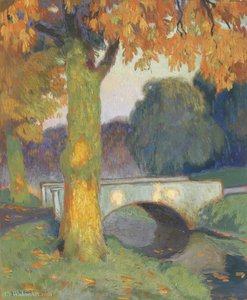
gustave de smet
1877 - 1943
Quick Facts
- Artistic Movement Or Style: Flemish Expressionism
- Artists Or Movements Influenced By This Artist: ['Cubism']
- Artists Who Influenced This Artist: ['Henri Le Fauconnier']
- Date Of Death: 1943
- Full Name: Gustave Franciscus De Smet
- Nationality: Belgian
- Notable Artworks:
- The Great Shooting Gallery
- Man with the Bottle
- Place Of Birth: Ghent, Belgium