 Preview
 Send
Send Share
Share
 Details

 Download
 Similars
 X-Ray
X-Ray Diaporama
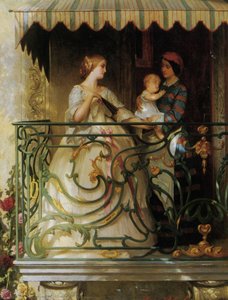
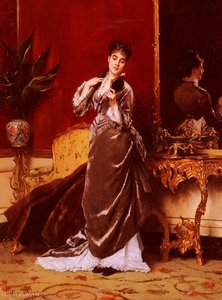
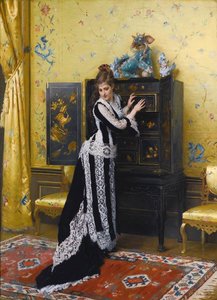
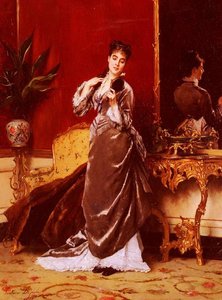
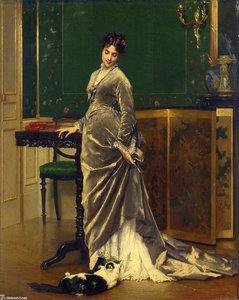
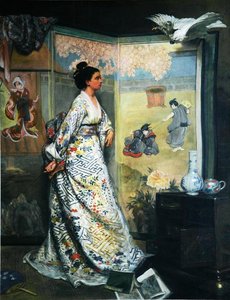
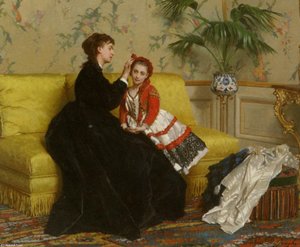
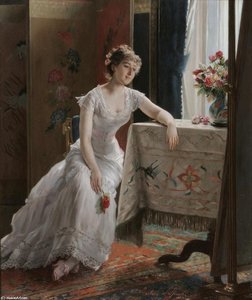
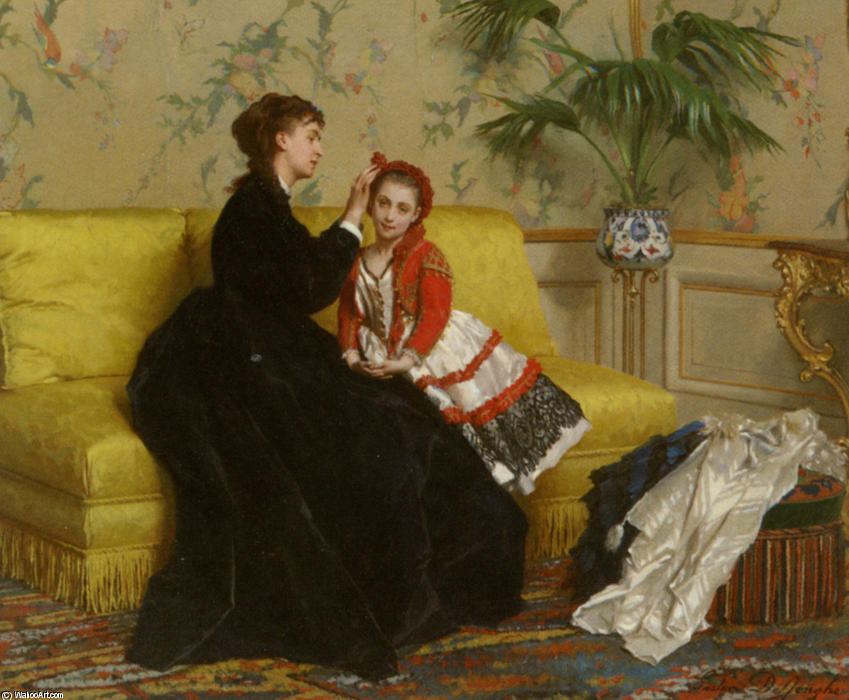
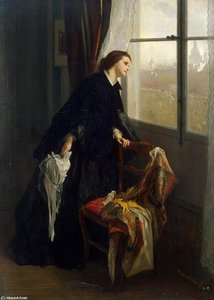
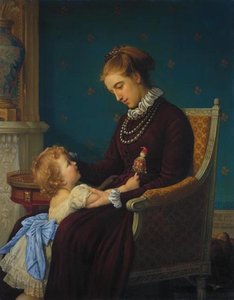
Preparing For The Ball

 Read More
Hand Made Oil Reproduction
Hand-painted oil on canvas in your size and frame, made to order by our artists. ( Buy Print Buy Image)




































Pick from our preset sizes that match the artwork's original proportions.

You may enter your own dimensions to fit a specific frame or space. If your selected size does not match the original image's proportions, we will either crop the artwork or extend the painting with additional hand-painted elements. A digital mockup will be sent for your approval before production begins.
Please note that the on-screen preview does not reflect the actual cropping or extension. Only the mockup will accurately show the final composition.
While custom sizes are available, we recommend selecting a dimension from the predefined list to preserve the original proportions.
After order, ArtsDot.com team will email client for instructions and provide a mockup preview
Worldwide Delivery () in 3/4 weeks instead of standard 5 weeks. (17 August). No compromise on quality.

Free Worldwide Express Shipping

High-Quality Linen Canvas

Full Shipping Insurance

Customs Tax Refund Guarantee

True Color Matching Guarantee

60-Day Return Policy (Defects Only)

100% Money-Back Guarantee

Bulk Discount Offer
 Glass option is only available in size under 110 CM

Preparing For The Ball
Reproduction Medium
Reproduction Size
-


Total Price
$ 288
Related Artworks
![Vida De Miguel De Cervantes Saavedra (life Of Miguel De Cervantes Saavedra). Book V Of The Edition Of Don Quixote (biblioteca Nacional De España)\n\n[7] — Martín Fernández De Navarrete Y Ximénez De Tejada, Academic Art](/media/artworks/images/thumbnails/99/f9/99f969c294754562907a5ffd062310fa.jpg)
Artist Biography
Gustave Léonard de Jonghe: Capturing Elegance and Emotion in Victorian Portraiture
Gustave Léonard de Jonghe (1829-1893) stands as a prominent figure in Belgian art history, celebrated for his masterful depictions of aristocratic society and intimate genre scenes that encapsulate the spirit of the Belle Époque. Born in Kortrijk, he inherited artistic talent from his father, Jan Baptiste de Jonghe, a landscape painter who instilled in him an appreciation for observation and meticulous detail—qualities that would define his own distinctive style. Early training at the Académie Royale des Beaux-Arts in Brussels, alongside luminaries like François-Joseph Navez and Louis Gallait, cemented his foundational artistic education and fostered connections with influential mentors who shaped his artistic vision.- Early Career & Influences: De Jonghe’s initial output focused on historical and religious subjects rendered in a realist tradition, mirroring the stylistic conventions of his time. The influence of Louis Gallait, particularly his emphasis on capturing psychological nuance within portraiture, proved crucial to developing de Jonghe's signature approach.
- Parisian Breakthrough: Recognizing the potential for greater artistic freedom and commercial success, De Jonghe relocated to Paris in 1850 where he swiftly established himself as a prolific painter of elegant women and group portraits—a genre that would become synonymous with his oeuvre. He skillfully navigated the competitive Parisian art scene, gaining recognition from critics and collectors alike.
- Technique & Style: De Jonghe’s technique was characterized by careful layering of glazes and meticulous attention to tonal gradations, achieving remarkable luminosity and capturing subtle expressions of emotion. His compositions often featured opulent interiors—drawing rooms adorned with richly patterned fabrics and decorative objects—reflecting the lavish tastes of the bourgeoisie he portrayed.
- Notable Achievements: De Jonghe’s artistic reputation soared throughout his career, culminating in prestigious awards from institutions like Amsterdam and Paris. He was honored by King Leopold I with the Order of Leopold, acknowledging his contribution to Belgian culture. His works continue to resonate today as embodiments of Victorian aesthetic ideals.
- Later Years & Legacy: Tragically afflicted by blindness following a cerebral hemorrhage in 1882, De Jonghe retreated from active painting and returned to Brussels where he resided until his death in 1893. A testament to compassion and artistic generosity, a charity art sale organized by fellow artists ensured his family’s financial stability during his illness. Gustave Léonard de Jonghe's legacy resides not only in his impressive body of work but also in his enduring influence on Belgian and French painting—particularly the Belle Époque style.
Exploring Themes of Domesticity and Sentimentality
De Jonghe’s artistic output consistently explored themes of domestic tranquility and emotional intimacy, reflecting the prevailing social values of Victorian society. His interiors are populated by women engaged in graceful activities—reading, embroidering, or receiving guests—creating scenes that convey a sense of refined elegance and understated emotion. The artist's masterful use of light and color contributes to this atmosphere, enhancing the psychological depth of his portraits and conveying subtle nuances of character.References
- Musée de la Légion D’honneur
- Monastère Royal de Brou
- Musée Flaubert - D'histoire de la Médecine
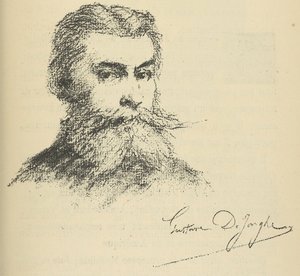
gustave léonhard de jonghe
1829 - 1893 , Belgium
Quick Facts
- Artistic Movement Or Style: Realism; Belle Époque
- Artists Or Movements Influenced By This Artist: ['Belle Époque']
- Artists Who Influenced This Artist: ['Louis Gallait']
- Date Of Birth: 1829
- Date Of Death: 1893
- Full Name: Gustave Léonard de Jonghe
- Nationality: Belgian
- Notable Artworks: ['Pilgrims praying to Our Lady']
- Place Of Birth: Courtrai, Belgium
Related Articles

Demandes Commerciales
APS ofrece reproducciones de bellas artes y encargos personalizados desde 2004. Confían en nosotros corporaciones, hoteles y coleccionistas selectos para obras de arte de calidad museística, servicio discreto y soluciones artísticas completas. ¡Póngase en contacto con nosotros para obtener un presupuesto personalizado!

Goya's Masterpieces: Explore 25 Iconic Paintings & Art Prints | ArtsDot
Delve into the world of Francisco Goya with ArtsDot. Explore 25 iconic paintings – from 'The Third of May' to his haunting Black Paintings. Discover the stories, techniques & emotions behind these Spanish masterpieces. Find museum-quality art reproductions for your home at ArtsDot.com!
25 Klimt Masterpieces: A Journey Through Iconic Art & Decor
Delve into the world of Gustav Klimt with our top 25 masterpieces! Explore his iconic paintings – 'The Kiss,' 'Portrait of Adele,' and more. Discover museum-quality reproductions & curated decor ideas. Explore the full collection online at ArtsDot.com.
Romantic Realism's Finest: 10 Masterpieces for Your Home | ArtsDot
Explore 10 defining masterpieces of Romantic Realism! Discover Courbet, Millet & Daumier's powerful paintings—capturing emotion and social realities. Find museum-quality reproductions for your home at ArtsDot.com.
The Poetic Truth of Observation: Exploring 19th-Century Realism in Painting
Explore the captivating world of 19th-century Realism! Discover key artists like Courbet & Millet, masterpieces, and the powerful social commentary behind this influential art movement. Expert insights at ArtsDot.