 Preview
 Send
Send Share
Share
 Details

 Download
 Similars
 X-Ray
X-Ray Diaporama
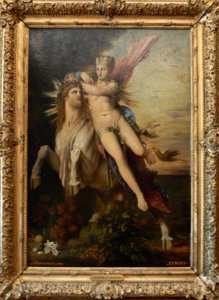
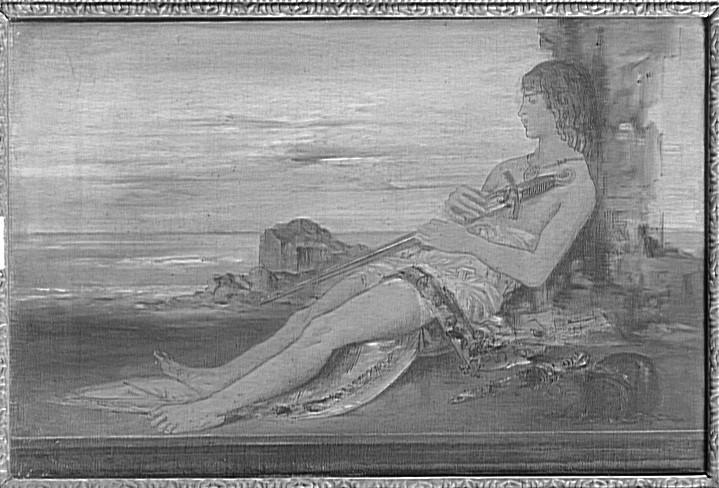
Mort d'un jeune croisé

 Read More
Hand Made Oil Reproduction
Hand-painted oil on canvas in your size and frame, made to order by our artists. ( Buy Print Buy Image)




P118B $10

P118H $10

P118W $10

P438Z $10

P508JH $12

P508YH $12

P805H $10

P805Z $10

P919BZ $10

P919G $10

P919XJ $10

P959ZH $10

P968JZ $12

W106C $8

W218G $10

W218JH $8

W218Y $10

W307PJ $10

W316G $10

W316PJ $8

W316Y $10

W398PJ $8

W4111J $10

W500HY $15

W500JH $15

W692G $12

W849H $8

W940BG $15

W953PJ $8




Pick from our preset sizes that match the artwork's original proportions.

You may enter your own dimensions to fit a specific frame or space. If your selected size does not match the original image's proportions, we will either crop the artwork or extend the painting with additional hand-painted elements. A digital mockup will be sent for your approval before production begins.
Please note that the on-screen preview does not reflect the actual cropping or extension. Only the mockup will accurately show the final composition.
While custom sizes are available, we recommend selecting a dimension from the predefined list to preserve the original proportions.
After order, ArtsDot.com team will email client for instructions and provide a mockup preview
Worldwide Delivery () in 3/4 weeks instead of standard 5 weeks. (16 August). No compromise on quality.

Free Worldwide Express Shipping

High-Quality Linen Canvas

Full Shipping Insurance

Customs Tax Refund Guarantee

True Color Matching Guarantee

60-Day Return Policy (Defects Only)

100% Money-Back Guarantee

Bulk Discount Offer
 Glass option is only available in size under 110 CM

Mort d'un jeune croisé
Reproduction Medium
Reproduction Size
-


Total Price
$ 263
Artwork Description
Mort d'un Jeune Croisé: A Descent into Symbolist Melancholy
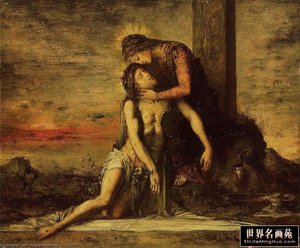
Gustave Moreau’s “Mort d’un Jeune Croisé” (Death of a Young Crusader) isn’t merely a depiction of a fallen warrior; it’s a profound meditation on loss, sacrifice, and the haunting beauty of decay. Painted around 1870, this oil-on-canvas masterpiece stands as a cornerstone of the Symbolist movement, a period where artists sought to evoke emotions and ideas rather than simply replicate reality. Moreau, deeply influenced by medieval art and mythology, masterfully transports the viewer into a desolate landscape saturated with symbolic weight, inviting contemplation long after the initial visual impact fades.
The scene unfolds within a vast, almost apocalyptic expanse – a barren desert punctuated by crumbling ruins that whisper of forgotten empires. At its heart lies the reclining figure of a young crusader, his armor tarnished and bloodied, his face serene yet tinged with an unbearable sadness. He’s not presented as a heroic victor, but rather as a vulnerable individual stripped bare by mortality. The composition is deliberately horizontal, emphasizing the length of his body and drawing the eye directly to his posture – a quiet acceptance of fate. The distant horizon, rendered in muted grays, creates a sense of isolation and timelessness, suggesting that this moment of death is not an isolated event but part of an eternal cycle.
A Palette of Shadows: Technique and Atmosphere
Moreau’s technical skill lies in his masterful manipulation of grayscale. He eschews vibrant color, opting instead for a carefully constructed tonal range that generates a palpable sense of melancholy. The painting is dominated by subtle shifts in gray – from the pale, almost ethereal sky to the deep shadows enveloping the warrior and the ruins. This monochromatic approach isn’t limiting; it amplifies the emotional impact, creating an atmosphere of quiet despair and emphasizing the textures of weathered stone, worn metal, and the young man's flesh. The blending is exceptionally smooth, lending a dreamlike quality to the scene – as if the image exists within a half-remembered memory.
Close examination reveals meticulous attention to detail in rendering the textures of the landscape. The rough, uneven surfaces of the ruins contrast sharply with the smoother contours of the warrior’s body, highlighting the disparity between human vulnerability and the enduring strength of the past. The use of light is deliberately diffused, casting no harsh highlights or dramatic shadows. This contributes to the overall sense of somberness, reinforcing the feeling that this is a scene bathed in perpetual twilight.
Symbolism and the Weight of History
“Mort d’un Jeune Croisé” is rich with symbolic meaning. The crusader himself represents not just individual loss but also the futility of war and the inevitable decay of empires. The desolate landscape, reminiscent of ancient ruins, serves as a visual metaphor for the transience of human ambition and the enduring power of time. The presence of the ruined architecture hints at a fallen civilization, suggesting that even the most glorious achievements are ultimately destined to crumble.
Moreau’s debt to medieval art is evident in the composition and subject matter. The image echoes themes found in illuminated manuscripts and tapestries – depictions of death, mourning, and the judgment of souls. However, Moreau departs from traditional representations by focusing on the emotional experience of loss rather than a literal depiction of religious iconography. The young crusader’s serene expression suggests a spiritual acceptance of his fate, aligning with the Symbolist interest in exploring inner states of consciousness.
A Timeless Echo: Emotional Resonance and Artistic Legacy
“Mort d'un Jeune Croisé” continues to resonate deeply with viewers today. Its haunting beauty and profound emotional depth transcend its historical context, offering a timeless meditation on mortality, sacrifice, and the enduring power of memory. Moreau’s ability to evoke such powerful feelings through a seemingly simple monochrome image is a testament to his artistic genius. It's a piece that invites introspection, prompting us to contemplate our own place within the vast sweep of history and the inevitability of loss.
Reproductions of this iconic work capture much of its original atmosphere, offering an accessible way to experience Moreau’s evocative vision. Whether displayed in a private collection or incorporated into interior design schemes, “Mort d'un Jeune Croisé” remains a powerful and unforgettable symbol of the Symbolist movement’s enduring legacy.
Related Artworks
Artist Biography
A Dream Weaver of Symbolism: The Life and Art of Gustave Moreau
Gustave Moreau, a name synonymous with the ethereal beauty and enigmatic depths of Symbolist painting, emerged from 19th-century Paris as a singular artistic voice. Born in 1826 into a bourgeois family—his father an architect and archivist—Moreau’s early life was steeped in intellectual curiosity and aesthetic sensibility. From a young age, he displayed a remarkable gift for drawing, nurtured through traditional academic training at the École des Beaux-Arts under figures like François-Édouard Picot. However, Moreau's artistic path would diverge sharply from the prevailing Realist and Impressionist currents of his time. He wasn’t interested in capturing fleeting moments or objective reality; instead, he sought to unlock the hidden realms of myth, religion, and the human psyche through a deeply personal and symbolic visual language. His journey was one of inward exploration, translating subjective emotions and spiritual yearnings onto canvas with an obsessive attention to detail and a vibrant, often opulent palette.The Forge of Imagination: Influences and Artistic Development
Moreau’s artistic development wasn't born in a vacuum. While rejecting the dominant trends of his era, he drew inspiration from diverse sources. The dramatic use of color and exotic subject matter found in the works of Eugène Delacroix resonated deeply with him, igniting a passion for narrative painting imbued with emotional intensity. He also held Renaissance masters like Michelangelo and Leonardo da Vinci in high esteem, admiring their mastery of composition, anatomy, and psychological insight. Yet, Moreau wasn’t merely imitating these artists; he was synthesizing their influences into something entirely new. His travels to Italy in the 1850s proved pivotal, immersing him in the art of antiquity and the Renaissance, providing a wealth of motifs and stylistic cues that would populate his future works. He meticulously copied Old Master paintings, not as an exercise in replication, but as a means of absorbing their techniques and unlocking their secrets. This dedication to craft, combined with his burgeoning interest in mythology and literature, laid the foundation for his unique artistic vision.A World of Symbols: Themes and Techniques
Moreau’s paintings are not simply illustrations of myths or biblical stories; they are complex allegories that invite contemplation and interpretation. He delved into narratives like those of Salome, Orpheus, Jupiter and Semele, and countless others, not to retell them literally, but to explore their underlying psychological and spiritual truths. His canvases teem with symbolic imagery—serpents representing temptation, jewels signifying earthly desires, and figures embodying abstract concepts like grief, loss, or redemption. He masterfully created a dreamlike atmosphere through intricate detail, rich textures, and an often unsettling juxtaposition of light and shadow. Moreau’s technique was characterized by meticulous layering of paint, creating surfaces that shimmer with iridescent colors and evoke a sense of otherworldly beauty. His use of gold leaf further enhanced this effect, lending his works a Byzantine quality that underscored their spiritual dimension. He wasn't concerned with capturing realistic textures or perspectives; instead, he prioritized the expressive power of color and form to convey mood and meaning.Legacy and Influence: The Enduring Power of Symbolism
Though initially met with mixed reactions, Moreau became a central figure in the burgeoning Symbolist movement during the 1890s. Unlike some of his contemporaries who actively sought public attention, he remained somewhat reclusive, preferring to work independently and avoid artistic debates. However, his influence was undeniable. In 1893, he accepted a professorship at the École des Beaux-Arts, where he profoundly impacted generations of artists, including Henri Matisse and Georges Rouault. He encouraged his students to embrace imagination, symbolism, and individual expression, urging them to break free from conventional artistic norms. While Symbolism eventually waned in popularity after Moreau’s death in 1898, his work experienced a significant reevaluation in the latter half of the 20th century. Today, he is widely regarded as one of the most important figures in the movement and a precursor to modern art. The Musée Gustave Moreau, housed in his former studio and home in Paris, stands as a testament to his enduring legacy—a sanctuary where visitors can immerse themselves in the captivating world of this extraordinary artist. His paintings continue to resonate with audiences today, offering glimpses into the hidden depths of the human soul and reminding us of the power of art to transcend the boundaries of reality.Notable Works
- Salome Dancing before Herod: Perhaps his most famous work, this painting exemplifies Moreau’s opulent style and fascination with biblical narratives.
- Jupiter and Semele: A dramatic depiction of the Greek myth, showcasing Moreau's mastery of composition and color.
- Orpheus: Several paintings by Moreau explore the myth of Orpheus, reflecting themes of loss, grief, and artistic inspiration.
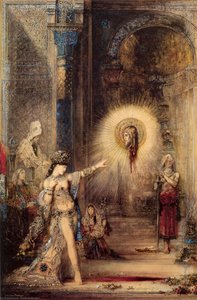
- The Apparition: Demonstrates his skill in creating ethereal and otherworldly scenes.
- Desdemona: A poignant portrayal of Shakespeare's tragic heroine.
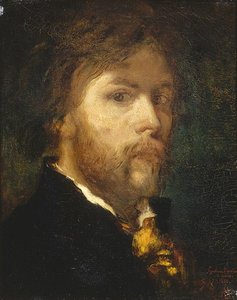
Gustave Moreau
1826 - 1898 , France
Quick Facts
- Artistic Movement Or Style: Symbolism
- Artists Or Movements Influenced By This Artist:
- Henri Matisse
- Georges Rouault
- Artists Who Influenced This Artist:
- Eugène Delacroix
- Michelangelo
- Leonardo da Vinci
- Date Of Birth: April 6, 1826
- Date Of Death: April 18, 1898
- Full Name: Gustave Moreau
- Nationality: French
- Notable Artworks:
- Salome Dancing before Herod
- Jupiter and Semele
- Orpheus
- The Apparition
- Desdemona
- Place Of Birth: Paris, France
Related Articles
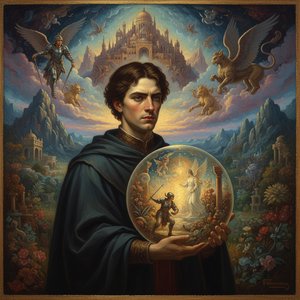
Gustave Moreau: Symbolism's Enigmatic Visionary & Precursors of Modern Fantasy Art
Explore the captivating world of Gustave Moreau, the leading Symbolist painter. Discover his iconic masterpieces, influences, and lasting legacy. Expert analysis for collectors & art enthusiasts.
Top 10 Oil Paintings That Revolutionized Art History |
Journey through art history with our Top 10 oil paintings! Explore iconic works by Van Gogh, Monet & Rembrandt. Discover timeless masterpieces and find museum-quality reproductions for your home at .
Oil on Panel Masters: 10 Paintings That Revolutionized Art |
Journey through 10 legendary 'Oil on Panel' masterpieces by Van Eyck, Bosch & Bruegel. Explore the stories behind these iconic Renaissance & Baroque paintings and find museum-quality art reproductions to elevate your home decor. Discover all masterpieces on !
Edvard Munch's Masterpieces: 25 Iconic Paintings for Art Lovers | ArtsDot
Explore 25 iconic Edvard Munch paintings, from 'The Scream' to lesser-known masterpieces. Discover the stories behind Expressionism’s most emotional works & find museum-quality art reproductions for your home at ArtsDot.com.

From Snapshot to Legacy: The Art of Commissioning a Hand-Painted Reproduction from Photography – Preserving Memories Through Oil Painting Techniques
Transform cherished photos into timeless oil paintings with skilled artists. Trusted for bespoke portraits & heirloom art. Discover the process, styles & lasting value – a legacy preserved.