 Preview
 Send
Send Share
Share
 Details

 Download
 Similars
 X-Ray
X-Ray Diaporama
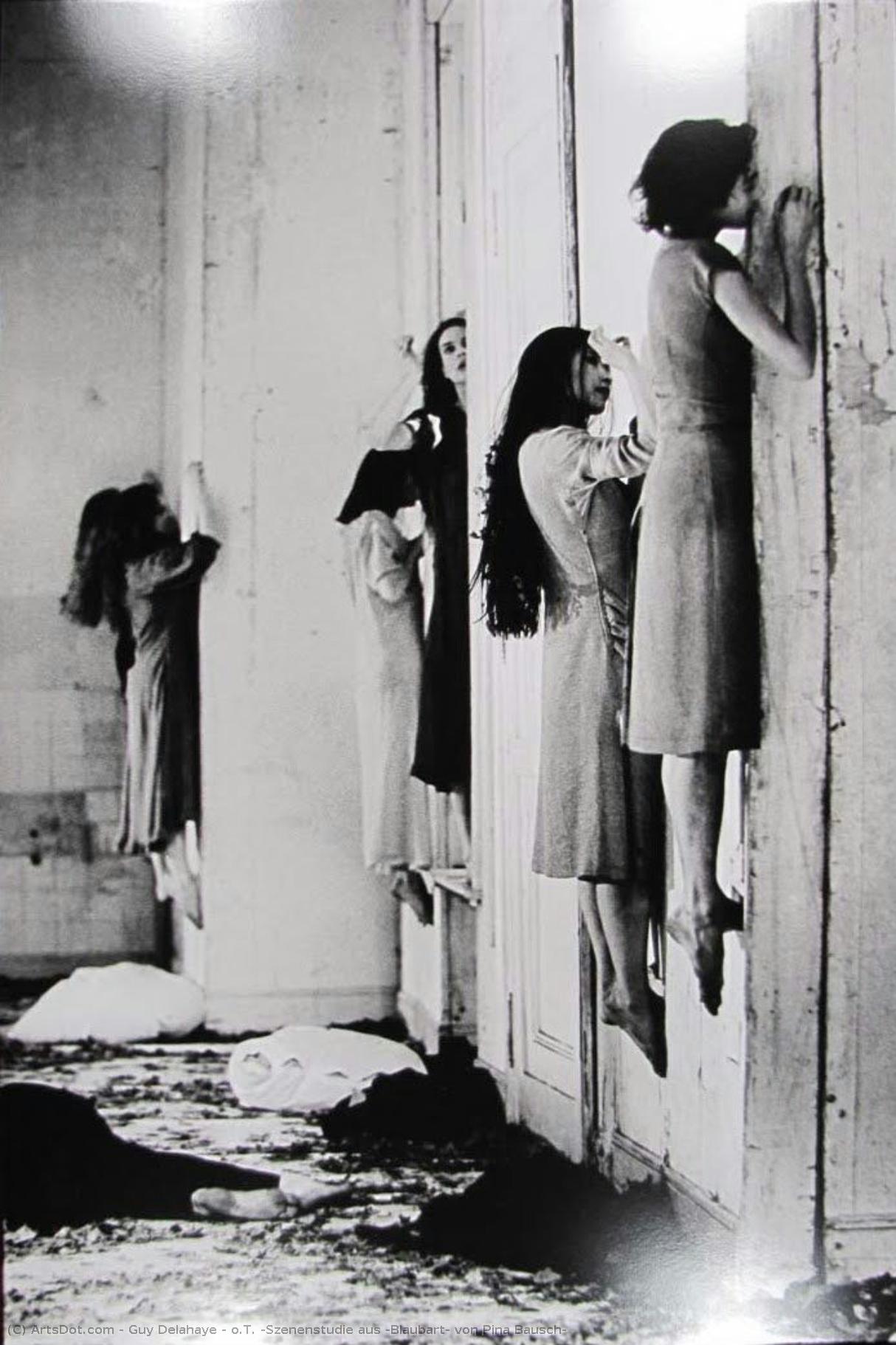
o.T. (Szenenstudie aus ›Blaubart‹ von Pina Bausch)

 Read More
Hand Made Oil Reproduction
Hand-painted oil on canvas in your size and frame, made to order by our artists. ( Buy Print Buy Image)




































Pick from our preset sizes that match the artwork's original proportions.

You may enter your own dimensions to fit a specific frame or space. If your selected size does not match the original image's proportions, we will either crop the artwork or extend the painting with additional hand-painted elements. A digital mockup will be sent for your approval before production begins.
Please note that the on-screen preview does not reflect the actual cropping or extension. Only the mockup will accurately show the final composition.
While custom sizes are available, we recommend selecting a dimension from the predefined list to preserve the original proportions.
After order, ArtsDot.com team will email client for instructions and provide a mockup preview
Worldwide Delivery () in 3/4 weeks instead of standard 5 weeks. (26 August). No compromise on quality.

Free Worldwide Express Shipping

High-Quality Linen Canvas

Full Shipping Insurance

Customs Tax Refund Guarantee

True Color Matching Guarantee

60-Day Return Policy (Defects Only)

100% Money-Back Guarantee

Bulk Discount Offer
 Glass option is only available in size under 110 CM

o.T. (Szenenstudie aus ›Blaubart‹ von Pina Bausch)
Reproduction Medium
Reproduction Size
-


Total Price
$ 338
Related Artworks





Artist Biography
A Shadowy Vision: The Life and Work of Guy Delahaye
Guy Delahaye, a name perhaps less immediately recognizable than some of his contemporaries, nevertheless occupies a significant place in the landscape of late 20th-century French photography. Born François-Guillaume Lahaise in Paris in 1947, Delahaye’s artistic journey was one marked by a quiet intensity and a dedication to capturing the often-overlooked realities of urban existence. His untimely death in 1988 left behind a body of work that continues to resonate with its stark beauty and poignant observations.
Delahaye's early life offered little indication of his future path as a visual chronicler. He eschewed formal art training, instead developing his photographic eye through self-directed exploration. This independent spirit would become a defining characteristic of his practice. In the 1970s, he began working for L’Express, a prominent French magazine, where he honed his skills as a photojournalist. However, Delahaye quickly moved beyond the constraints of conventional reportage, seeking to create images that were less about documenting events and more about conveying atmosphere and emotion.
The Urban Landscape as Subject
Delahaye’s signature style emerged in the 1980s: black-and-white photographs characterized by their dramatic contrasts, meticulous composition, and a profound sense of solitude. He turned his lens towards the fringes of society – industrial zones, abandoned buildings, desolate streets – finding beauty in decay and alienation. His work wasn’t about sensationalism or social commentary; it was an attempt to reveal the hidden poetry within the mundane. He didn't seek grand narratives but rather intimate glimpses into spaces often ignored. The absence of human figures in many of his compositions is striking, lending a haunting quality to his scenes and inviting viewers to project their own emotions onto the landscapes he captured.
His photographs are not simply depictions of places; they are explorations of psychological states. The play of light and shadow becomes paramount, transforming ordinary structures into enigmatic forms. Delahaye’s mastery of tonal range creates a sense of depth and texture that draws the viewer into the image, fostering a feeling of both fascination and unease. He often worked in series, revisiting locations at different times of day or under varying weather conditions to capture subtle shifts in mood and atmosphere.
Influences and Artistic Development
While Delahaye largely forged his own path, certain artistic currents undoubtedly influenced his work. The New Topographics movement, with its emphasis on objective documentation of altered landscapes, can be seen as a precursor to his aesthetic. However, Delahaye’s photographs possess a greater emotional depth than those produced by many of the New Topographers. He shared an affinity with the documentary tradition of Eugène Atget, whose images of Paris also captured a sense of time and place. Furthermore, the work of American photographers like Robert Frank, known for their raw and unflinching portrayals of post-war America, likely resonated with Delahaye’s desire to challenge conventional photographic norms.
Throughout his career, Delahaye resisted easy categorization. He wasn't a street photographer in the traditional sense, nor was he a landscape artist focused on natural beauty. His work occupied a unique space between these genres, blending elements of both to create something entirely new. He published several books showcasing his photographs, further solidifying his reputation as a distinctive voice in contemporary photography.
Exhibitions and Legacy
Delahaye’s photographs were exhibited in galleries and museums around the world during his lifetime, including prestigious institutions such as the Centre Pompidou in Paris and the Museum of Modern Art in New York. These exhibitions helped to introduce his work to a wider audience and establish him as a significant figure in the art world. His images have been included in numerous private and public collections.
Although his career was relatively short, Guy Delahaye left behind a powerful and enduring legacy. His photographs continue to be admired for their technical brilliance, emotional resonance, and insightful observations of the urban environment. He demonstrated that beauty can be found in unexpected places, even – or perhaps especially – in the shadows and ruins of modern life. His work serves as a reminder of the importance of looking beyond the surface and finding meaning in the overlooked corners of our world.
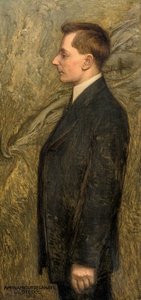
guy delahaye
1947 - 1988 , France
Quick Facts
- Artistic Movement Or Style: Black & White Photography
- Date Of Birth: 1947
- Date Of Death: 1988
- Full Name: Guy Delahaye
- Nationality: French
- Notable Artworks: ['o.T. (Szenenstudie aus ›Blaubart‹ von Pina Bausch)']
- Place Of Birth: Paris, France