

 Preview
 Send
Send Share
Share
 Details

 Download
 Similars
 X-Ray
X-Ray Diaporama
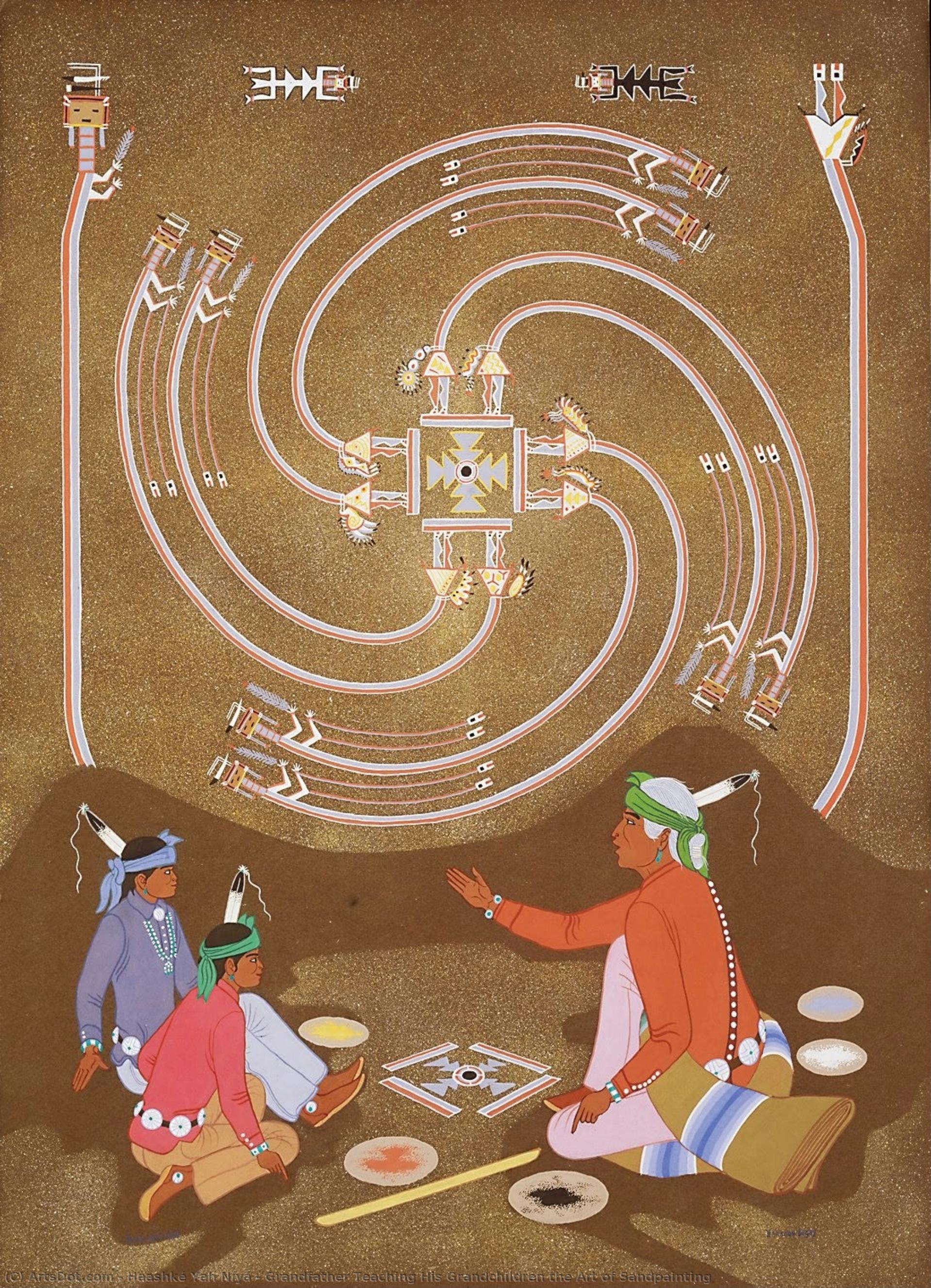
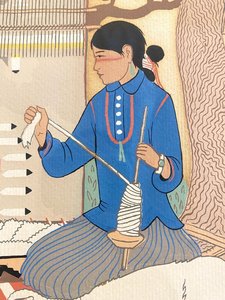
Grandfather Teaching His Grandchildren the Art of Sandpainting

 Read More
Purchase a high-resolution, enhanced digital image, far superior to the online preview.
Each file is meticulously prepared by our in-house specialists using advanced tools and expert manual retouching. We ensure every image has exceptional clarity, precise color accuracy, and fine detail.
The final file is delivered via email within 72 hours, optimized for immediate use in professional, editorial, and print environments. This is the same quality trusted by top-tier design studios, publishers, and galleries.
Digital Image
Download a high-resolution file for personal display, printing, and creative projects. ( Buy Print Buy Hand Made Painting)
Included in Every Digital Image Order
Expert Digital Delivery, Guaranteed
When you choose ArtsDot.com, you're not just getting an image - you're receiving a professionally enhanced digital artwork, crafted with precision and backed by a satisfaction guarantee. Here's everything that comes with your order, automatically:

Fast Email Delivery
Your high-resolution digital image file will be emailed to you within 72 hours of ordering - ready for immediate use.

AI-Enhanced Digital File
Your artwork is professionally optimized using advanced AI tools and manual editing, ensuring maximum detail, clarity, and color accuracy.

Free Lifetime Re-Delivery
Accidentally deleted or lost your file? No worries - we'll resend it to you anytime, free of charge.

No Import Fees - Ever
Enjoy your artwork instantly with zero customs, duties, or delivery fees - digital downloads are always tax-free.

Color Accuracy Guarantee
We ensure your digital image reflects the original colors as closely as possible using professional tools and color management.

60-Day Satisfaction Guarantee
If you're not satisfied with your digital image, we'll revise it or refund 100% within 60 days - no questions asked.

100% Money-Back Guarantee
Not satisfied? Get a full refund within 60 days of receiving your digital file - no questions asked.

Bulk Order Discounts
Buy 3 images, save 10% - Buy 5, save 15% - Buy 10+, save 20%. Great for creative projects, galleries, and agencies.
Related Artworks



Artist Biography
Early Life and Artistic Beginnings
Harrison Begay, also known by his Diné name Haashké yah Níyá – meaning “Warrior Who Walked Up to His Enemy” or “Wandering Boy” – was born around 1917 in Whitecone, Arizona, though the precise year remains somewhat uncertain. His upbringing within the Navajo Nation profoundly shaped his artistic vision, steeped as it was in the traditions and landscapes of his ancestors. The son of Black Rock and Zonnie Tachinie Begay, he came from a family deeply connected to the land, spending his early years tending sheep and goats, experiences that would later resonate powerfully in his artwork. The loss of his mother at a young age led him briefly away from home, to government boarding school where he first encountered English, but his heart remained tethered to the Navajo way of life. It was a return to his roots, coupled with an innate artistic inclination, that ultimately set him on the path toward becoming one of the most celebrated Diné painters of the 20th century.
A pivotal moment arrived in 1934 when Begay enrolled at the Santa Fe Indian School. This institution, under the guidance of Dorothy Dunn, was a unique environment fostering Native American art while simultaneously introducing studio techniques not traditionally practiced within Navajo culture. Dunn’s approach emphasized flat planes of color and carefully rendered forms, providing Begay with a foundational skillset that he would later blend seamlessly with his own cultural heritage. He quickly distinguished himself as a promising student, absorbing the principles of Western painting while retaining the essence of his Diné identity.
The Development of a Unique Style
Begay’s early work at Santa Fe reflected Dunn's influence, but he soon began to infuse his paintings with deeply personal narratives and symbolism. He didn’t simply depict scenes *of* Navajo life; he sought to convey the spiritual undercurrents that permeated it. His watercolors, gouaches, and silkscreen prints became windows into a world of ceremonies, stories, and ancestral wisdom. Unlike many artists who focused solely on representational accuracy, Begay aimed for an evocative quality, capturing not just what was seen but also what was *felt*. He began to incorporate elements of traditional sandpainting—not in literal replication, but as compositional structures and symbolic motifs.
A period studying architecture at Black Mountain College further broadened his artistic horizons. This exposure to modern art movements, though brief, likely contributed to the dynamic compositions and subtle color palettes that characterize his mature work. His time serving in the Army during World War II, including participation in the Battle of Normandy, also left an indelible mark, although he rarely depicted war directly; rather, it seems to have deepened his appreciation for peace, harmony, and the enduring strength of his people.
Themes and Symbolism in Begay’s Art
Central to Begay's artistic vision was a profound respect for Navajo cosmology and storytelling. His paintings often depict scenes of daily life – herding sheep, weaving rugs, traditional ceremonies—but these are never merely ethnographic representations. They are imbued with spiritual significance, offering glimpses into the interconnectedness of all things. The figures in his work aren’t isolated individuals; they are participants in a larger cosmic order.
- Sandpainting Motifs: While not directly replicating sandpaintings, Begay frequently employed their compositional structures and symbolic elements—the sacred Yei figures, the directional patterns, the vibrant colors—to create a sense of depth and spiritual resonance.
- The Importance of Family & Community: Many of his paintings celebrate the bonds between generations, depicting grandparents teaching grandchildren traditional skills or families working together in harmony.
- Connection to the Land: The landscapes of the Navajo Nation—the mesas, canyons, and deserts—are not simply backdrops but active participants in his narratives, representing a source of sustenance, spirituality, and cultural identity.
- The Horse as Sacred Animal: Horses frequently appear in Begay’s work, symbolizing freedom, power, and the enduring spirit of the Navajo people.
Legacy and Historical Significance
Harrison Begay's career spanned over seventy-five years, during which he became one of the most recognizable and respected Diné artists of his generation. He was among the last students directly influenced by Dorothy Dunn, carrying forward her legacy while forging a uniquely personal style that resonated with collectors and art enthusiasts worldwide. His work is held in numerous museum collections, including the National Cowboy & Western Heritage Museum and the Heard Museum, ensuring its continued accessibility to future generations.
Beyond his artistic achievements, Begay played a crucial role in preserving and promoting Navajo culture. He founded Tewa Enterprises in the 1950s to create reproductions of his work and that of other Native American artists, providing economic opportunities for his community while sharing their art with a wider audience. He received numerous awards and accolades throughout his life, including the Native American Masters Award from the Heard Museum in 1995, recognizing his profound contributions to the arts. Haashké yah Níyá’s legacy extends far beyond the canvas; he was a storyteller, a cultural ambassador, and a testament to the enduring power of art to connect us to our past, present, and future.
haashké yah níyá
1917 - 2012 , United States of America
Quick Facts
- Artistic Movement Or Style: Watercolor painting
- Artists Who Influenced This Artist:
- Dorothy Dunn
- Geronima Montoya
- Date Of Birth: Nov 15, 1917
- Date Of Death: Aug 18, 2012
- Full Name: Harrison Begay
- Nationality: Navajo American
- Notable Artworks:
- Navajo Horse Race
- Navajo Maidens
- Sandpainting Lesson
- Place Of Birth: Whitecone, USA

